Dogged Determination with Entrepreneur Lisa Baronoff

 Apple Podcasts
 Spotify
 Castro
 RSS Feed
 Youtube Music
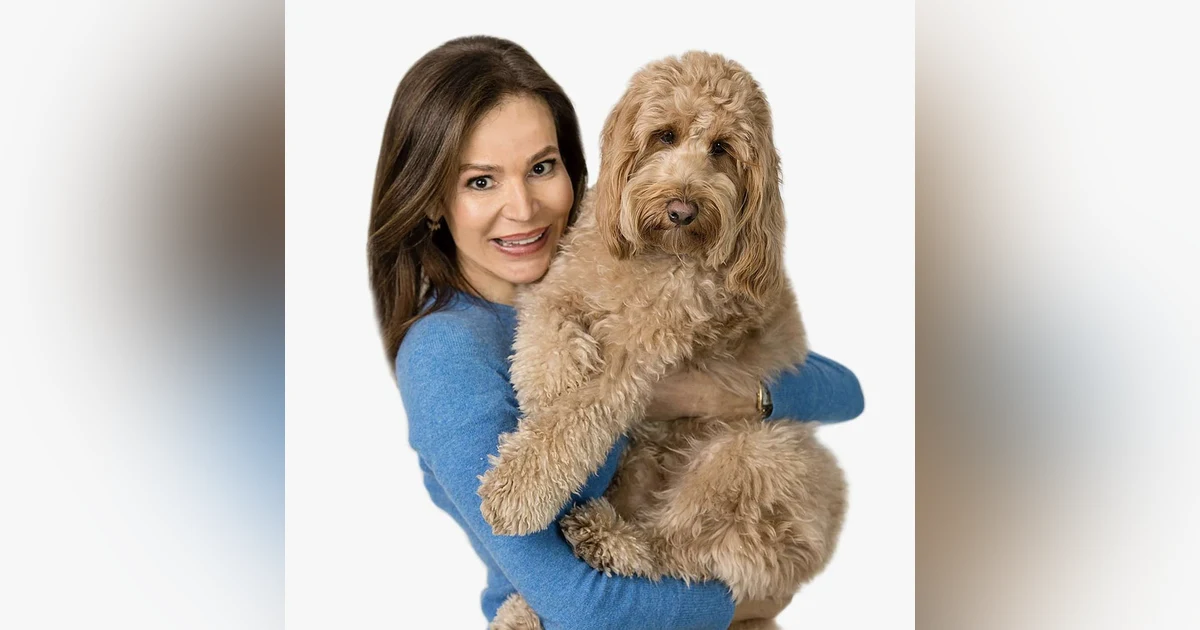
 Vision, strength, and Puppy Love help describe the remarkable career journey of Entrepreneur Lisa Baronoff, Founder of the successful doggie apparel company, Walkee Paws. During our conversation, Lisa, a marketing executive by trade, shares how a product idea comes to life - from the first inspired moment to the digital sound of online orders piling up after being featured in People Magazine, on the Today Show and as a contestant on Shark Tank (she passed). Lisa also demonstrates how a Mom, who left the workplace, can return and excel on her own terms & how someone starting over can come to New York and rise to the top.
To discover more episodes or connect with us:
- website: https://www.nowrongchoices.com/
- YouTube: https://www.youtube.com/@nowrongchoices
- Facebook: https://www.facebook.com/profile.php?id=100086704773105
- LinkedIn: https://www.linkedin.com/company/no-wrong-choices-podcast/
- Instagram: https://www.instagram.com/thefellasnwc/
Hello and welcome to No Wrong Choices, a podcast about the adventures of life that explores the career journeys of successful and interesting people. I'm Larry Samuels, soon to be joined by the other fellas, Tushar Saxena and Larry Shay. If you've been enjoying our show, please be sure to follow us on your favorite podcasting platform and to give us a five-star rating. Also, to learn more about us, you can visit our website at NorongChoices.com or join the conversation by connecting with us on social media by searching for No Wrong Choices. This episode features Lisa Baranoff, the entrepreneur and founder of the doggy apparel company Walkiepaws, that uh with full disclosure, my dog Rocky has done some modeling for it. It's great stuff, and uh and she's really a great person. So, with that, uh, Tushair, why don't you you lead us out today?
Tushar SaxenaWell, I'll tell you what, I'm very excited to speak to someone like Lisa Baranoff. I think for all of us and for all the people we we've spoken to over the time, is that they've taken their passions and like it's led them to a career, right? Led them to another job. I I'm always interested when we're able to speak to someone who's taken their passion and it's turned it into not just a career, but turned it into a business, a thriving business. So I'm really excited to have someone like Lisa Baranoff join us here today. Because I gotta be honest, you know, I don't know much about walkie-paws. I'm not a pet person like you two are, and I'm really excited. I want to know how she did it. I think that I think it's a great, great story.
Larry SheaI do too. Uh this is exciting. We've never had an inventor on the show. I mean, that is just exciting in and of itself, right? Um, and I'll have you both know that I've stopped people on the street and said, is that walkie paws? Words that I never thought would come out of my mouth leading up to and scheduling this interview. So um I'm excited to have an adventor. It's cool to see how somebody could take something from, I don't know, I'm envisioning the cocktail napkin to a final product, and that's exciting. So she's gonna walk us through it, and I'm excited about her story.
Larry SamuelsYeah, really interesting lady. And uh, you know, I've had a chance to see some of the growth firsthand, as I mentioned off the top. Great product. And um, the story I'm eager to hear is about her adventures of being on Shark Tank. I know that's uh been part of her journey, um, and that must be a fascinating experience. So, with that, here is Lisa Baranoff. Now joining No Wrong Choices is Lisa Baranoff, an entrepreneur, CEO, and founder of Walkiepaws, the world's first all-in-one dog boot leggings. Lisa, thank you so much for joining us.
SPEAKER_05Thanks, Larry. Great to be here.
Tushar SaxenaLisa, this is uh Touchar. I just want to, you know, I just want to say, hey, you've got uh such an interesting, interesting story. And I know we're gonna get into that in just a second, but I kind of want to have our audience uh I kind of want to introduce your your product a bit to your to our audience. And obviously, you know, so many of so many folks in our audience are dog lovers. What exactly is walkiepaws?
SPEAKER_05Oh, that's a really good question. Um, well, it's a mouthful, they're the world's first all-in-one dog boot leggings. And um, the reason they came about is in about 2015, um, my dog at the time got really sick from ingesting snow melt chemicals on the streets of New York. And my vet said I needed to put booties on him. And at that point, I'd never put booties on a dog, so I bought some and I tried one pair of booties and they didn't work, and I tried another pair, and I'd ended up trying, I think, like 12 pairs, and they all had the same three problems on my dog. They were incredibly hard to get on, um, very uncomfortable for my dog to wear because they had to be tight around the ankles, and invariably I'd go out in the snow and one or more would fall off, and we'd come back with like less than four pairs, four pairs of shoes. So um, I had a background in the pantyhose industry working in marketing for a division of Ser Lee in South Africa, and I came back one day and just um had this idea, and I took two pairs of pantyhose and tied them over my dog's back, sort of in a big bow on the top of his back. And I had this idea for a dog boot legging where the boot would be attached to a legging and the legging would connect over the back. So it's really like you don't need the boots to stay on by being tight around the ankles. And they'd all connect together, so you wouldn't really be able to lose a boot. So that was sort of the you know the inspiration. That's how they came into you know fruition, and then it's just been a journey since then.
Larry SheaI I'm glad you mentioned South Africa there. Let's take you all the way back to the beginning, though. Like how did you were you inventive as a child? Were you an entrepreneurial spirit as a child? Take me all the way to back to South Africa in your early beginnings.
SPEAKER_05You know, I have actually always been inventive and create. I was very creative growing up. Um, you know, I I got straight A's in art and um loved drawing and painting and and all of that. And I've I always have been sort of inventive with my clothing, sort of wearing things the wrong way around or twisting them a different way or doing things that are sort of different. Plus, um I grew up, my mother in South Africa was one of the, you know, the first um really successful, famous fashion designers, female fashion designers in South Africa. She um, you know, in the 1960s, she started making um clothing for for weddings and bomb mitzfars, and then she landed up um creating a whole company called Corporate Clothing, which did all the South African Airlines uniforms and all the South African post office uniforms, etc. Who was that? Who's who's your mother? So her name is Greg Greta Abramson. So um she was she was like the Donna Karen of New York to South Africa. You know, she was like the the very kind of well-known, you know, judged all the competitions was, you know, the best dressed woman and all that sort of stuff. So I grew up in that world of fashion and um entrepreneurial spirit, I guess, because she was an entrepreneur, probably one of the first of her, you know, time, because now obviously a lot of women are working, but way back then in the 1960s, you know, there weren't many. She was the only one of her friend group that actually had some sort of career path. Um so yeah, I then also grew up with tons of dogs. I think I had 10 dogs over the years, um, because in South Africa, you know, you live in a in a home and it's easier to, you know, to have animals, and I've always loved dogs, just really loved them. So I did have this sort of bent towards creativity and decided to pursue a career in marketing because that was a way to leverage the creativity, you know, to actually make money. And um landed up working, I worked in the very beginning in in advertising on the you know, on the advertising side, and then I jumped onto the client side and worked for many years for a big division of Sarah Lee hosiery there. It was called Burr Hose, and it was the leading pantyhose brand in South Africa, and that was before you know the pantyhose market declined so much. At that point, there was still a really good market, um, and got really involved you know in in that.
Tushar SaxenaNow, forgive me, I'll I just want to kind of jump kind of jump in. You said Sarah Lee, correct? Yeah. Well as far as I know, it doesn't Sarah Lee make cakes.
SPEAKER_05Yeah, very good. They do. They also own Haynes Hosiery.
Tushar SaxenaAh, I never knew this. I I never knew this.
SPEAKER_05Yeah, so they bought Burr Hose way back, I don't even know when it was, in 1970 and 1980s. Um so, and I you know, I was really involved on one of the brands there, which was um sort of aimed at the mass market, and landed up coming up with a really great um creative idea then, actually, that revolutionized the pantyhose market in South Africa, which was really kind of interesting.
Larry SamuelsWhat was that idea?
SPEAKER_05So um I was working on the the brand name was Escort, and it was primarily to targeted to um African American women. And I sort of delved into why they were wearing pantyhose versus stockings, and in a lot of focus groups we found out a lot of these ladies were wearing um stockings and they were tying them, they were keeping them up with like a peach pip, like sort of turning the at the top of the stocking instead of using a gata or you know something else. And when I sort of delved into why they were wearing the stockings and not the pantyhose, they basically told me they wanted a panty stocking. And I said, Well, what is a panty stocking? And they it was really all about the shine. The the difference was that the stock, the actual stockings were made of lycra and had a really great sheen, which looks fantastic on a dark skin. Um, and the pantyhose were more matte, they were more made from nylon. So I landed up launching uh what we called a panty stocking, which was really uh a pantyhose, but made from a shiny, you know, yarn. And I actually chose a yarn that had even more sparkle, and um, you know, that created a whole new category in the pantyhose market. You sort of chose yeah.
Larry SamuelsSo so you're so I'm I'm trying to to follow along. So so your mother was a designer. Um and were you a designer, a marketer? Um, this is a new product line that you brought forward, like like what was your role in bringing this forward?
SPEAKER_05So I worked for um for Burho's as um marketing, as at that point, I think I was a marketing manager on the escort brand. So I handled all the marketing, which was new product development, um, advertising, um, packaging, you know, retail distribution, it was everything to do with marketing for that brand. So I was on the creative design marketing side of things. Yeah.
Tushar SaxenaSo I'm assuming that puts you on the map in terms of being, I would, I would say, probably a designer at that point, right? Because I mean, you you essentially did design a new form of women's hosiery.
SPEAKER_05Yeah, although I worked with the designers there, so it was really what I've always done, which is more me coming up with the ideas, but someone else actually doing the design work because they know the technical specifications. It was really me saying to the design team, I'd like to do a panty hose that has a sh a sheen to it, um, ideally a sparkle. And you know, we looked at different yarns and and it all actually worked out really well because we landed up using a model in our TV ad who um later on, a few months after we launched, became Miss South Africa, which was fantastic. That was a great win. It was like, yeah, what you know, it worked out really, really well.
Tushar SaxenaSo what was the next move after that?
SPEAKER_05So I was with Burrhose for about seven years, and I was worried I was gonna get caddy cornered into just being a hosiery expert, and the hosiery industry was declining about five or six percent every year, because more less and less people were wearing pantyhose. Um, and I was also thinking of leaving South Africa. I'd I'd been married and gotten divorced, and South Africa is just not really a place to you know bring up children. Everyone sort of at that point wanted to get out of South Africa.
Tushar SaxenaAnd what year was that then?
SPEAKER_05That was 1996.
Tushar SaxenaOkay.
SPEAKER_05Yeah. So I wanted to come to America and I had a disvision of working for a cosmetic company. I have no idea why. And it turned out that the the head of my company in South Africa, Burhose, was very friendly with the head chief um uh COO at Revlon. And he ultimately agreed to pass my resume along. He didn't want me to leave, but I said I was gonna leave in any case, and then he just said, okay, I'll pass it along. And I came here literally just with you know an interview set up and no papers because you need you know green card and all of that. And worked, you know, Revlon hired me. I got sponsored for um an H1B visa, and and here I was in New York now working in the in the cosmetic industry.
Larry SheaAnd you were on the marketing side as well in at Revlon, or did you have a different?
SPEAKER_05I was on the marketing side. It was it was not a great fit for me. I actually hated it. It was yeah, really, really tough. Um just a it's a really a lot of very, you know, a lot of women, a lot of very tough women, um, very formulaic. I actually, you know, had ideas for them that I think would have been great, but they didn't want to hear about them because they were all about it, it's gotta be their way, it's gotta be black and whatever. There were the time I was I was working on the in the lipstick category. I'm trying to remember what it was called again. It was the lipstick that you put on and it stays. It doesn't it's it doesn't come off.
Larry SamuelsLarry Shea, can you help us with that?
Larry SheaI cannot help you with that one.
Larry SamuelsI've been admiring you for quite some time. I I assume it's something like this. I have no idea.
SPEAKER_05It was um an interesting product and the issue was it was not moisturizing enough. People were finding it get you know drying out their lips. So Revlon was launching a new and improved version, um, which was with moisture. I had suggested doing packaging that showed like water drops on it to really, you know, show the moisture. Anyway, that didn't work out. They they wanted to go with just the plain black and gold and whatever. And um it just wasn't a good fit for me. Revlon was just not not great. So I moved on and I landed up working for Mattel in the toy industry.
Larry SamuelsOh, interesting. What a shocking change or or drastic.
Tushar SaxenaThat's really cra that's a crazy amount of like you know, jumps, weird jumps.
SPEAKER_05Yeah, yeah. So I I went from hosiery to cosmetics to toys. And the toy industry was. No, I was just gonna say the toy industry was really, really fun, like a fantastic, amazing experience.
Tushar SaxenaUm who doesn't like playing with toys?
Larry SheaYeah. I have to I have to ask though, how did the Mattel job come about? Was it just merit with your resume from Revlon and then moving to a different position, kind of a parallel position with another larger company? Or was it a friend? Like, how does that because we're all about on this show, like how how the twists and turns of your life end up with, you know, this career, this path. So, how did that happen? Was it a relationship? Tell tell us about that.
SPEAKER_05Well, actually, it was interesting. I actually left Revlon. I just really did not enjoy working there. I was very stressful for me. Um, and I left without a job. So I had actually was in New York on my own, no job, nothing, um, and no green card. And then I realized that was a mistake to really leave Revlon because they were sponsoring me at the time. Right. So I left that behind, and then I was trying to find a job, and it was really tough because not only did I need to find someone to employ me, but they also had to sponsor me. So I landed up getting a job. Um, I just I hustled and you know worked with recruiters, and there was a job for um Arco, which is a division of Mattel, which was in Long Island, and I landed up applying for that job. I didn't really want it because I'd have to reverse commute to that job, but um I managed to get the job and I reverse commuted um for about a year, year and a half. Um and then actually, actually, it gets more complicated. I I did that for about I didn't love the reverse commuting. And because I'd been in hosiery at the time when I was like looking for um positions here, I had connected with someone who was about to get the license for Tommy Hilfiger hosiery. Um and they reached out to me while I was at Arco and asked me to come on board to help them with that, which I did, which was really fun. It was doing um a whole range of Tommy Hilfiger pantyhose and leggings and and that sort of stuff. And then um I worked there for about a year, and then I heard from the people at um Mattel that this Arco division was being absorbed into the New York office, and that was very appealing to me, and they wanted me to come back, so then I jumped back to Mattel, and I landed up being at Mattel in um well with Fisher Price, which is a division of Mattel, in New York, which was fantastic.
Larry SamuelsSo, what was the the the scene like for you at that time? So you come over from South Africa, it's the mid-90s. I I I know better than to ask anybody their age at any point in time, but um, you know, and it's a brand new adventure for you. So, so what was what was that adjustment like for you walking into the adventure of New York?
SPEAKER_05It was really tough, to be honest. Really tough. I mean, I I was very spoilt living in South Africa. We spoiled with our weather there. The weather's sort of like California weather, it doesn't get really cold. Um, you sort of live in houses with cars and there's a lot of space. Um coming here was really I think that was part of the tough adjustment with Revlon as well. I was living in a tiny little studio, which I wasn't used to, and having to put up with the brutal, you know, weather patterns here, which again I wasn't used to. Yeah. And just everything about, you know, it there were so many differences to what I was used to. I remember one day actually being at Revlon and an assistant who was, you know, came into my office and she said something about going through some paperwork, and I said, you know, let's do it just now. And she stood there. And I said, No, just now. And she stood there. And I said, just now. She said, and then I I looked at her and I said, What's going on? She said, You said just now. I said, Yeah, just now in South Africa means in a while. She said, No, no, no, just now in America means now.
Larry SamuelsSo I'm like, you know, they were all like who's out first?
SPEAKER_05It was kind of like lots of little silly things like that happened that I just I just didn't really know these things. So they, you know, you I didn't grow up here, I don't, I don't really, you know, there's a lot of little kind of innuendos, and it took it just took me a long time to get used to living in a in America.
Tushar SaxenaUm the cultural differences, obviously, the little cultural differences.
SPEAKER_05Yeah. Yeah, but even just um the lifestyle differences and just the way people think, it's just it's very different. You know, the South African way is very different to the way it is in New York.
Tushar SaxenaSo you said so you said you had dogs in South Africa. So when you came, when you came to New York, did you have a dog as well?
SPEAKER_05I did, I did. I it was actually not a great thing. I I needed a dog because I love dogs, and I found this adorable. I think I bought him from a puppy shop like on Third Avenue. I found him in the window. His name was Max. He was a little tiny little Yorkie because I needed a small dog because I was living in a tiny, yes, makes sense. But then the issue was it was really hard because I was working, so I couldn't like really, you know, have a dog. I should really not have got a dog because I I couldn't, you know, had to leave him most of the day. So I landed up giving him up, which was really sad for me too. A woman who was desperate for a dog, an older lady who worked at Bloomingdale's. And someone paired me up with her, and she, you know, took over Max. And it was actually really sad. But then once I was in a situation again and I, you know, got remarried and and had kids and that, I I I got my my dog Toffee, who is a um Cockespaniel, who was a cock spaniel, and he was the whole inspiration for you know for walkie-paws.
Larry SheaWe're we're gonna find out in a little bit why it's very important that you were not a cat person, right? Because walkiepaws, you know, became what it became because of your love of dogs, I'm sure. Um I just want to ask you very quickly, though, before we we move on with your journey about the marketing stuff. You seem to always be drawn to those marketing jobs. Tell me about marketing, tell me why you were drawn to it and what you learned from it in the industry.
SPEAKER_05Yeah, so you know, growing up in South Africa, I always thought I wanted to be a psychologist or psychiatrist. I just loved that sort of figuring out how people think and why they do what they do. Um, and my parents were just not very um impressed with the idea of me, you know, sitting in a dark room and listening to people's problems all day long. And they didn't think I'd make a lot of money doing that. So it I sort of moved into the idea of doing business, a business degree with the idea of going into marketing and really understanding psychology of of consumers. Um and that's sort of what what's driven me throughout my whole career is trying to get into the minds of the customer and trying to see you know what they would be thinking and what it how it is from their point of view, and trying to solve problems that people have with products.
Larry SamuelsYeah. I I yeah, I get that. You know, having worked in in marketing for for much of my career, it it's funny. It feels like it's um, I don't know, you're trying to mess with people to get them to take an action, but at the same time, you're you're bringing something forward that is of value, and it's kind of fun digging around and trying to figure out how to get people to take different actions. Yeah, Lisa, I remember or knowing you a little bit. Um, I know that you took some time off. So you had your marketing career, you were working with Mattel, um, and you just mentioned a little while ago that you, you know, had a family, you got married, and I think you took some time off around then, right?
SPEAKER_05I did, yeah, yeah, I did. Um, I got married sort of in my late 30s, so I was sort of kind of under a crunch to have, you know, to have children because I really did want to have them. And I had a lot of pregnancy issues. Um one in particular, we got to a certain stage in a pregnancy and I lost the baby, and I was on I was on maternity leave with um Mattel at that point, and then I just couldn't go back after that. So I I stopped working for a little while, and then I got pregnant again with my daughter, luckily, and that all worked out well. And I took off a couple of years just to you know be with my Daughter, then I had a you know another another child. I had my son and I had Toffee, my cock spaniel, and it really was not great for me. I just need to be doing something. I realized I was just not a good candidate to be, you know, a mom and and and go for lunch and go to the gym and you know, shopping and and all that. It just it didn't it didn't do it for me. So I just stumbled across walkie paws. It was really a combination of having an issue with my dog, loving dogs, having been in the pantyhose industry. If I you know hadn't had that experience, I may not have thawed in that direction. And then a very good friend of mine also encouraging me to start my own business. You know, she at the time said to me, You really should just do this and start your own business. Um so it wasn't really my plan. It's not like I planned right from the beginning that I was gonna work for companies and then start my own business. It just kind of happened, it was like it was all meant to be, and it kind of aligned everything together for me, which was really exciting because I love dogs, I'm passionate about them, so I'm working with them now. And I love fashion, and I have that from my mother and the pantyhos and all of that. So I'm putting that together with it. And then all my experience working for all these big, you know, well-known brands. Um, I've got snippets of experience from you know all of those um careers that I've brought to this too. So it's almost like it's all come together in the perfect storm.
Larry SamuelsSo So what is that process like? You know, you you have an inspiration, you you experiment a little in your apartment to come up with this new idea. How do you start a business? Like what what what what's the first step you take?
SPEAKER_05Oh boy, you like you fall into it and you make lots of mistakes along the way, that's for sure, and you just fall into it. Um, you know, I it's it's kind of I've gone in different directions. I mean, I start in the very, very beginning, I was uh living on the Upper East Side, and there was a fabric store across the way from me. So when I had this idea, I went flying to the fabric store um and came back and sewed up a pair of leggings for my dog. Um and that worked pretty well, but then I realized, well, that's great, but the the actual pores that go on the floor need to be waterproof, you know, and they need so they can't be made of a legging fabric. So it was like, how do you solve that problem? And I landed up working with a company in the fabric um district or the the fashion district downtown, right? Who were charging me an arm and a leg. It was just outrageous, um, you know, to me to to to develop like how we would produce this product and what it would be. And uh literally every meeting was hundreds and hundreds of dollars. And we were getting to a point where they had an idea to do a silicone wrapping at the bottom of the you know, print at the bottom of the fabric or whatever it was, but we didn't know how we could make it not waterproof. We were looking at heat sealing it, and I'll never forget saying to this woman, the company, that I, you know, I literally can't carry on paying all this money. I already spent $30,000 on trying to develop this, and it was I didn't have this budget. And I said to her, I think what I might just do is work directly with Richard, who was the guy that she'd introduced me to, who was on the factory side. And little did I realize that that would be a very big problem for me because not not like half an hour went by before Richard called me and said, You made a bad mistake, I can't work with you if you're not working through Jamie. And that was that. So that kind of set me back because now I didn't have this way to develop these boots that was waterproof and you know etc.
Tushar SaxenaOkay.
SPEAKER_05But in an interesting light, it sort of sent me in a new direction because I s I I had to figure something else out. And through a friend of a friend, I got in touch with someone who lives in China who had done sourcing for a uh apparel company for kids, and she was um she helped me to find the actual rubber booties that we now do. So I started and and it was coming from China, which was a lot less expensive than you know in the States. So it all sort of worked out well. It was sort of good that I, you know, I had that downfall to sort of be able to go up again.
Larry SamuelsSo it was belief in the idea, and then this is all product development.
SPEAKER_05Yeah. Yeah, it's like it's belief in the idea, and then it's just finding a cost-effective way to produce it, um, a way that makes sense. Um, and then it's all the logistics of you know, the finances and the getting it produced and bringing it in and selling it, which is a little bit beyond me. And I still struggle with trying to do all of those different things.
Tushar SaxenaAnd how much time did it take from, you know, obviously, uh I think as Sam just said, you know, from that moment of the idea, and you said obviously, you know, it takes it takes a great deal of failure to get to the point of, let's say, a working prototype. So I mean you you've spent all this money, like as you said, like a minimum of 30,000 just to essentially get to a point where you can say, this isn't working, to where you're gonna say, okay, how much more money do I pour in till I get to a prototype that is working?
SPEAKER_05Yeah, it's interesting. It took about I started this in 2015 and I launched the product in 2018. Wow. So it took 50, 60, so it took three full years to get there.
Tushar SaxenaAnd how much money did you pour in between 2015 and 2018?
SPEAKER_05Probably about 150,000.
Larry SamuelsWow. Holy cow. Yeah, before he ever got out the door.
SPEAKER_05Yeah. Yeah. Well, I mean, you have to set up a company and then the patents were a big thing. Those probably cost close to 60 or 70,000.
Larry SheaYeah, let's talk about the patents. So you you come up with the idea. I always like picture like you writing something on a napkin in a bar somewhere, like this is gonna work. But then you have to patent the thing, and then you have to secure and then protect those patents. Tell us about that process, because that doesn't sound easy to someone like me.
SPEAKER_05Yeah, it's not easy. It's it's honestly, I still don't really understand this whole patent thing. Um, I I I have patents now and I'm very happy I have them, but um, it's it's very, very technical. And luckily, there's a man at the patent group who like walks me through all of this like a step-by-step. I like that.
Tushar SaxenaI was gonna say, probably most of that money goes to your patent lawyer.
SPEAKER_05Yeah, well, they they send me these detailed, like, you know, documents, and I'll I'll call them and I'll say, okay, so what's a layman's chair? What does this mean? But um they were able to get me a patent, which was a um utility patent, which is the one you really want. A utility describes the way the way the product's used, and then you can also get design patents for the way it looks. Um, a utility um patent is is less difficult to you know for people to to copy or or go around. Um, design patents are are are much easier, but you you generally want both of them. So I have a number of of design and and one utility patent, which is fantastic. Um and it just it's a long process. You start off by uh doing an application, which takes about a year, and then it's pending, and then something else happens and it takes another year, and then there's then there's a lot of back and forth with the patent office because they reject certain things, and your lawyer has to go and you know kind of defend certain things, and then you eventually reach some sort of agreement. And that's really the the layman's term of the whole patent office.
Larry SamuelsSo, how how long did it take to go from idea through product development to actually opening up your doors and starting to generate revenue?
SPEAKER_05So, I mean, if you take it from the idea, it would have been 2015. And to generate revenue would have been the end of 2018. So that would have been three, you know, three full years, right from the very beginning to the to, you know, to actually because then again, on top of that, you've got to set up a corporation, you've got to, you know, I I needed to get myself set up on Amazon. I had to find a 3PL to, you know, ship my product. And along the line, you you make mistakes. I mean, I've now moved for the fourth time to my fourth um 3pl for distribution.
Tushar SaxenaAnd they take What's a 3PL if you don't mind me asking?
SPEAKER_05I don't know what the um exact um terminology is, but it's it's the the ship, the people that ship your product. So the warehouse. Okay. The um, yeah, they do all the the oh that's what that's why they call them 3PL. I think it's packing, picking, and something else. So it's pick pack and so the product probably is. Yeah, I mean, literally I went through four of them. And now finally I'm with uh a 3PL that's doing a great job and it's working really well and we love them, but it just takes a while. I think that's the biggest one of the biggest challenges is you just don't know until you do it, and you have to make mistakes and you need to like you know kind of learn from them and move on. Because it hasn't been a straight road for me. It's it's definitely there've been like you know tilts in the road and you kind of steer yourself in another direction. And I guess if you don't make the mistakes and you don't know, you know, then you you sort of don't grow.
Tushar SaxenaSo let's uh let me ask you this. So then obviously you said you you set up your you set up a shop on Amazon. So for those who don't know, you were also on Shark Tank, right? So you also but you're also claiming to fame is that you were on Shark Tank. So did your did your did the business begin to take off right away with your Amazon shop? Or did when you were on Shark Tank, and obviously you got for you got a great deal of uh publicity through that, did it take off on that as well, or did it take off even further on that?
SPEAKER_05It's amazing, actually. I it became successful immediately. I think it was again the perfect storm because when I launched it was 2015, like I think early November. Now my biggest selling months are usually November, December, January, and February when it's really cold. And it was really cold in New York, and I had a a great PR woman who um managed to get me into People magazine with a big article, and it was a oh wow, wow. And what was great on the People magazine thing is it's it's I think it like showed up in people's inboxes, it just dinged, and then all of a sudden, my Shopify website I'll never forget the I started hearing all this crazy dinging, like the orders were coming in immediately from that. So that that was incredible press. And then from being on in People magazine, then a whole lot of other shows reached out to me, like the Today Show and this and that, and it was just became like a press feeding frenzy because it was a fun story, you know. You know, the latest latest crazy thing in the dog world is someone's invented dog leggings, you know.
Larry SamuelsWere you able to keep up with the demand?
SPEAKER_05I wasn't, I actually ran out of stock, so we did very little in the beginning, and we ran out of stock in our keys key month, which was January of 2016. Um, and the other thing that was really interesting on Amazon is I started off not on FBA, which is fulfilled by Amazon, which is prime. So I was on merchant fulfilled, which means it's not prime, and generally people you know don't buy that as much, but the sales were really strong on Amazon right out of the get-go. So people, I think people were were having an issue with dark boots, and there's pain points with dark boots, and it this resonated with you know with people. So um it was great that it did take off immediately, but then with the shock tank um interest and with the shock tank airing, that then really, you know, grew grew the awareness and and excitement about the brand.
Larry SheaIt it sounds like at this point, you know, you've gotten the the business up and running and you're starting to move some things. It sounds like you're built for this part of it, right? Which is getting inside the consumer's mind and being like, how can I get them to want this thing, right? I mean, did you have an inherent advantage because you had been in the marketing business your whole career?
SPEAKER_05Yeah, I think I did. I, you know, I had the advantage of having worked in different industries, obviously not in the pet industry, but in other industries. Um, but then the disadvantage, in a way, in that things have changed so much. You know, from the the days that I was in, you know, the marketing boardroom, it's now it's so technologically driven now, it's almost like a young 16-year-old or 18-year-old right out of the school probably knows more about how to handle all the digital marketing than I do now. So it's advantageous and disadvantage. But um it's yeah, I mean it's just it's crazy. It's a it's been a crazy ride.
Larry SamuelsYou know, so we we touched on Shark Tank, and we have we have to get into that. We we we can't just gloss over that. So, you know, I I've often wondered, you know, as you are such a savvy marketing person, you know, was the motivation for going on Shark Tank was it was it to to to to raise funds, or was it to get on television to do a five-minute elevator pitch while pretending to raise funds? Like what was the motivation of going on Shark Tank?
SPEAKER_05Yeah, interesting question. It was actually both. I mean, the elevator pitch and and getting to have a free advertisement is incredible. But I did, it wasn't even the funds so much, to be honest, Larry, because the the the business was beginning to be sell, you know, to make money. I was I was selling and I was putting that money back into building the business. Um I mean, funds would have been great for extra marketing, but I really wanted the marketing help and this is someone who could could say to me, Okay, you've got you've come this far. Now I know how to take take you to the next level. And this is who you should use for this, and this is who you should use for that. And I'm gonna get this guy in to do your you know, your systems, or I'm gonna get this person into it. Was just really to to scale, and I would have loved one of the sharks to have been, you know, for sure to scale. And I was hoping Lori would be interested, she wasn't, unfortunately, because I thought this would have been a great brand for her with all of her marketing experience. Um, and it lands up that Kevin was interested, and it was just too much, giving up too much of the company for me. Um, you know, and I just didn't really know what Kevin had to bring to the table, though he's done incredible deals and he's incredibly smart. He doesn't seem to really love dogs, so I was surprised he actually made an office.
Tushar SaxenaInteresting. And I just I'm assuming he loves money, though. Yes, yeah.
SPEAKER_05Yeah, but I do wonder, sometimes I wonder what would have happened had I taken a deal. It's just it's you know, it's you just never know, right? It's um for sure. Interesting.
Larry SamuelsAnd what is the, you know, just I I don't want to spend a lot of time on this, but I think a lot of people are probably curious. Like, how do you get on? Like, what what is the process of you know uh getting onto that show?
SPEAKER_05So that is a really funny story, very funny. So I really wanted to be on Shark Tank. I think I've wanted to be on Shark Tank since before I even had a business. I've always loved Shark Tank.
SPEAKER_02I I watched a movie. You just want to go on Shark Tank. That's it. Just want to get on Shark Tank to go on Shark Tank.
SPEAKER_05Um, so I've always had a dream of going on Shark Tank. I just always I think it's an incredibly fun show and whatever. And I thought that walkie pause would be ideal for Shark Tank, and I was planning to apply. This was in 2020, right just at the just before COVID in January, and I was looking, I think they were gonna have an application, one of their pictures was gonna be somewhere in New York in February, and I think I even I don't I don't know if I put in an application, I was planning to, but that was on my mind, and then out of the blue, I got an email from this woman, Shakita, I think her name was. She's like, I'm the executive, um, the the executive assistant to Clay New Bill, and I've seen your product or I've tried it or something, and I love it, and I think you'd be a great fit for the show. Would you like to be on Shark Tank? And I was like, hell yes. I I mean they reached out to me. So I didn't really have to apply, which I guess is great. They reached out to me, um, which was the great thing. And then the bad part of it was COVID happened right after that, so that February. And then, you know, all of the plans, because we I was speaking with the producers, we had a great plan to present with a whole lot of dogs coming on the show in different leggings, big ones, small ones, you know, have them run all over the you know to the judges. But in the end, everything had to change because it was COVID and dogs were not allowed, you know, they were filming in Vegas instead of LA. It was a whole um a whole change, which was unfortunate.
Larry SheaSo, how much preparation goes into doing your pitch, essentially, for Shark Tank, right? You have a certain expectation, you're hoping to get Laurie or what have you. So you have your pitch, and uh the obvious question, I mean, do you get nervous? You're on TV, you're in front of them, you're trying to sell your product. I mean, this is your heart and soul right here, and you're kind of vulnerable up there. Like, what was the the prep and what was the the feeling going up and actually doing the pitch?
SPEAKER_05Yeah, I mean, the well, the good thing is I presented my in my in my entire life professionally, you know, for Mattel, presented to toy buyers, presented to like hundreds of people, you know, and new people.
Larry SheaSo again, you're built for this, right? This is what you're built for, right?
SPEAKER_05It doesn't scare me. Presenting, it's not that I don't get nervous. I think you I always get nervous, and I almost in in order to be good at presenting, you need to get a little nervous to get that adrenaline going. But that I have sort of pat. I didn't, I wasn't that concerned about the presenting part of it. And I and believe you me, I went through my little two-minute pitch over and over and over in my sleep and on the beach walks and whatever. So I I I I I couldn't really have have gone wrong unless something terrible happened. So that I wasn't worried about, but I was just more worried about on the spot, like being asked questions and just not having the answers or getting a little, you know, stage fright, or that that's what concerned me more. I think the pitch is easy because you've you've said it, you do it, you're done. But when you're up there standing in front of all these, you know, very successful, amazing people, who knows what they're gonna ask you? You know, you generally know some of the things they'll ask you, but I was just sort of trying to be over prepared for every single question. Sort of like I was gonna pass a test, you know.
Larry SamuelsSo that was the Do you have any regrets about how you handle it? You know, you you you didn't get the the deal that you wanted. Do you think if you said or did something differently that perhaps you would have?
SPEAKER_05I yeah, I think firstly having a dog up there would have made a huge difference. Because I think it was just a real stretch for people to really understand it without seeing it and seeing it on a dog. You know, if I had my dog there, I could have shown how you put it on, how you take it off, how he walks in it. So I think that would have would have made a big difference. Um and I do I maybe regret that I didn't go back and forwards a little bit more with Kevin. I don't know what more I could have really done. He wanted, you know, I was wanting to give up 5%. He came back with 20%. I was trying to negotiate in between. Um 20%?
SPEAKER_02No way, you did the right thing.
SPEAKER_05Yeah, I mean, but it's you know, it's it's it's the the one thing is these guys know how to scale businesses. And that's really what I need. I'm I'm you know, a one-man show, I need to know how to scale this, and it's it's I'm making mistakes. I'm going, you know, one step forward, one step backwards. So it's it would have been nice to have someone who could lay the path and say, okay, I've done this now with 20 brands. This is what you do, A, B, and C, you know, and this is who you you use, and these are the agencies you work with, you know. That would have been that would have been great for me.
Tushar SaxenaUm so So you're happy where you are now with the business at this point?
SPEAKER_05You know, I'm very happy. I'm actually taking the business in a little bit of a different direction at the moment. We um we moving into some new and exciting products that um are not only for dogs. Um I are they for people?
SPEAKER_02Can I get leggings for myself?
SPEAKER_05Um they like leggings for the body. You'll have to have me on your show at the end of the year when I can announce to you what I'm doing. But um the business is fantastic. The the one main issue I have is it's really challenging when you have a product that's got a, you know, that's that's colour and sizes with lots of skews and it has to fit dogs and not only their paws, but also their height. Because dogs are just so different. Every single, you know, dog even within breeds, they vary. So people, you know, when the product fits their dogs well, um, they love it and they think it's the most fantastic thing ever. But it's challenging for them to find the right fit um and to know what the right fit is because it's you know, it's their it's their dogs, it's not them. It's not like you know you wear a size, whatever, pants or you know, people know their dog is a certain breed, or maybe what the weight their dog is. But people don't walk around knowing what their dog's foot width and height is and what the height of the dog from the floor to the sh the shoulders is. So that's been very like a very challenging, um, you know, very challenging, and we're sort of working on on ways to to make that easier for customers, um, and having more sizes that will fit more dogs as well. Um, but in the breadth of doing, in the, you know, with doing all of this, I'm sort of my mission statement has always been that we fashion functional ways to enjoy worry-free walks with your furry friends. So we're really all about the the dog walk, and it's a fashionable and functional dog walk. And that doesn't mean it's only for the dog, because the person's walking on the walk too. So that might give you a hint. So we have some some really innovative, exciting, maybe patented products as well about to launch at the end of this year.
Larry SheaWhat does an average day look like for you at this point? You know, you get up, the business is off the ground, you're making money while you sleep, which is a wonderful thing, right? We all would love to do that. What does an average day look like when you get up?
SPEAKER_05Um, I get up earlier than I ever did before. Somehow being in in working and for myself, I kind of am motivated. So I'm up already early, like 5 30 or 6. And I go straight to the computer. My husband can't even believe it. I'm you know, at the computer before anyone's awake in this house.
Larry SamuelsWow.
SPEAKER_05But a lot of it is dealing with China because they're, you know, they're responsible. To me, and and it will be, you know, it's a difference in time. Sure.
Larry SheaYeah, yeah.
SPEAKER_05And then my kids get up. I have two teenagers, and that's really challenging getting them up and out of here. That's um a whole an whole nother job in and of itself. And um then I go for my dog walk most mornings, and that's where all these ideas come to me. Because I'm spending most of my that's really my free time is what is either walking my dog or hugging and lying down with my dog. Yeah, other than that, I'm pretty much you know working away um at the computer. I've taken over the dining room in our apartment in my my family.
Larry SamuelsWell, that's your office now. Well, my family. Which I just saw. There are lots of boxes.
SPEAKER_05I know my family is is not excited about that. But so I've kind of, you know, command central in the dining room. And then all the returns actually come to my apartment because um I need to look them over and figure out what you know what if they damaged and what's going on with them. So uh it's it's become, it looks like a warehouse here. It's um it's a lot of a lot of fun.
Tushar SaxenaSo Lisa, you said before that you know you didn't like being a stay-at-home mom. You wanted to be a work you wanted to be a working woman, but now you've kind of morphed that into a stay-at-home working mom. So, or and you know, pardon me if I'm like maybe saying it indelicately, but have you been have you now found that happy balance?
SPEAKER_05Yeah, you know, you didn't say it in you said it perfectly. It's actually a I never thought of it that way. It is, it's it's kind of the way the world's come, right? With with from COVID and people working at home and all of that. It's it's very interesting that that that you say that. Um, yeah, I guess I mean I've never really thought of not being at home and working in an office, put it that way. And have I found a balance? It's probably now m far too much balance towards work because now the work is like right in front of you all the time. You can look at your computer anytime, you can so I think my family's not that happy with me that I'm you know.
Tushar SaxenaWell, your home's now become your office, right? In that sense, right?
SPEAKER_05Exactly. My home's my office, the products are coming here. Um, you know, I've got dogs coming here for fittings and all sorts of things. So it's probably not the right balance. It's probably now become too much on the other end of the spectrum. But at the same time, my kids are teenagers, so they need me less. Um, you know, so they they sort of don't say that. Well, I I wish they needed me more, but they're happy to do their own things.
Tushar SaxenaAnd I So are you it's do you have any dogs now that could possibly be the top model dog in New York? Much like you had in South Africa for your women's uh for your for your women's hosiery, is there a possibility of now having that type of a dog to be to have a to be the the top model dog in New York?
SPEAKER_05Oh, all I can tell you is my dog is the top model dog in New York. He is perfect. No, he really is. He struts like, in fact, uh I use him obviously for my shoots and that, and he does exactly what I tell him to do. I'll say sit stir fry. He sits stand and he's got the long eyelashes. Stir fry? What did you call you? His name is Stir Fry.
Larry SheaStir fry. Oh, cool. That's a nice name. That almost slipped past me. Um, I know we have young entrepreneurs out there listening right now. You're a one man, one woman wrecking crew at this point, doing it all yourself and learning by trial and error. What advice would you give to a young entrepreneur out there who has an idea on a napkin and wants to take it to the next level?
SPEAKER_05The main I the main advice I'd give them is not to listen to other people because there are a lot of naysayers out there. And I have a really good friend who, when I first showed her this idea and she has a dog, she was like, she crunched her nose up and looked at me and said, Ugh, I would never put that on my dog. And this is a good friend. Um so if I had really taken that to heart sitting across the table from her, um, you know, I wouldn't have maybe launched, I would have been too scared to. So I think if you really believe in something, you can't you can't um listen to, you know, a couple of comments from friends and family, because that's just you know, not going to be productive. Um and I guess I'd say the other thing is just to have the tenacity, like I call it um trying to remember what I call this. Um I'll think of it just now as an acronym, like three words for what I do. I was telling my kids and I forgotten. But it's basically if you can't find a way of doing it one way, you find a way another way. So, and that's what happened sort of with this woman, you know, designing the leggings, and I I had to pivot to find another way to do it, and it lands it up being someone in China, which lands it up being a more cost-effective way and a better way. Um, oh, the acronym was improvise, adapt, and overcome. So I feel like that's really important. Like whatever you're doing, you can always improvise, adapt, and overcome. So, in any circumstance, and I tell that to my kids all the time, you know, they're like, Oh, I uh can you bring me a spoon? I'm in the kitchen. I'm like, no, you can get up, you have two legs and improvise and adapt.
Larry SamuelsSo that is absolutely great advice. Yeah. So, Lisa, what's next? You know, your your business is at this point. You've talked a little bit about uh an announcement that that's gonna come later this year. Um, you know, is this where you're locked in? Do you have broader, grander visions? What's next for Lisa?
SPEAKER_05You know, I would love to focus on what I'm good at, which is like the inventions and the crazy ideas and the marketing, and not be so sucked into all of the business um side of this. So the next idea is actually looking for someone or to either to outsource more or to have someone come in as a partner to handle all the things I'm not good at, to be able to grow because I can't take this much further on my own. I've sort of got to that level where it's you know at burnout stage. So it's really just figuring out um a s a way to scale um where I can do what I like doing because I'm you know I'm getting older, I don't want to do the things I don't like doing, to be honest. So that's challenging, and then finding the people to help me do those things and take it to the next level, which is challenging, you know, as well.
Larry SamuelsYeah, that that that's often the hardest part. You need to find people that you trust, that you like spending time with, that have similar passions. Exactly.
SPEAKER_04Exactly.
Larry SamuelsYeah, I I I totally get it. Well, um, you know, Lisa, this has been an incredible conversation. Uh for people who want to learn more about walkiepaws uh or buy some, um what where would you direct them?
SPEAKER_05Um great. Now they could go to walkiepaws.com. So it's spelled W-A-L-K and then E-E, like elephant, elephant, pause, like a dog's paws.com. And um all the information's there, um, all the products, and there's F-A-Qs and about stories and blogs and all sorts of things.
Larry SamuelsWell, Lisa, this has been inspiring. This has been uh a great conversation. I I love the Shark Tank stuff. I love the vision, the direction, the passion, um, the conviction, all those things. Um, what what an incredible story. Lisa, thank you so much for joining us today.
SPEAKER_05Oh, thank you, Larry. It was great to be on. Thank you so much.
Larry SamuelsWhat a great story. We we've yet to speak to an entrepreneur on this program. I'm so glad that we have uh broken through in terms of that that subject matter and content, and and what a great place to start.
Larry SheaYeah, I think she's amazing. I think this is an amazing story about a determination and creativity that allowed her to do what she did. Um, I it's funny too, because I don't know coming to another country if I would be able to accomplish everything that she's accomplished. So, I mean, this is a strong, determined, creative woman who took an idea and brought it to fruition. I mean, there's nothing more impressive than that.
Tushar SaxenaI'll tell you what, her real story in many ways is about how she never settled. I think one of the things I was always surprised about in her story was that she never really kind of never really came to grips with saying I want to be a full-time working woman, which she obviously could have been and had been. And at the same time, she said, when I was a parent, while she loves her children, she was like, you know, I felt somewhat unfulfilled as a stay-at-home mom. I didn't want to be that. So she's managed to find the best of both worlds. How many people can say that? She's a stay-at-home working mom. I think that's so impressive.
Larry SheaThat is impressive. And there's there's a real work through whatever problem she was presented with, right? She kind of had to learn as she went. And the stuff that I found fascinating was the stuff about the patent. I mean, I don't think any of us would know how to approach trying to patent anything, right? And it reminds me, I have this great story from my family. Um, my great aunt, during World War II, my great uncle is sent away to war and they had a screw machine factory. And so while my great uncle is away at war, my great aunt, super smart, really into mathematics and mechanics, and figures out all these better ways to do these screw machine manufacturing parts and so forth. And she ends up patenting all of these ideas. And they're ideas that are used by other companies when the war is over and her husband comes back and she's like, Look, we have all this money now. Yeah, look what happened while you were gone. Like, I did pretty well, you know? So a patent and then keeping that patent, because you don't just have to get the patent, you gotta fight for it, right? It takes legal fees, people are always trying to poach in. She's impressive in so many ways, but really just learning as she went and accomplishing whatever it is that was the obstacle in front of her.
Tushar SaxenaAre you saying, are you trying to tell us that you are now flush with screw money? No.
Larry SamuelsYou know, building upon it. Not at all. You know, I I'm a I'm a business executive. I mean, fundamentally, that is what I am. And and I'm a tactician, I'm somebody who just gets things done, but I'm not the creative person. I'm not the idea guy. Like I need that person with me to come up with the idea, to come up with the genius invention in order to sort of push that thing over the finish line. And um, you know, Lisa recognized that there was a void just from day-to-day life, you know, to have that creativity, to see a need, to see a hole, to see a void that needs to be filled, um, you know, it is an art, it's a talent, it's a skill, and it's incredibly impressive that she was able to not just identify this gap, but to have the courage, the strength, and the conviction to put herself out there and to make this happen. It's really, really remarkable.
Larry SheaAnd also, good thing she's not a cat person. For sure, especially.
Tushar SaxenaYou don't think walkiepaws would work for cats. No, no.
Larry SamuelsAnd I was gonna say, especially for me, uh, as somebody who is a user of her products. It's great stuff, and I highly recommend that anybody with a dog definitely check out walkiepaws. You can find all their stuff at walkiepaws.com. So, with that, Lisa, thank you. Thank you so much for joining us, joining this episode of No Wrong Choices. We also thank you for joining us. Please be sure to give us a five-star rating and follow along on your podcasting platform if you like what you heard. We also encourage you to join the conversation by visiting our website at no wrongchoices.com and by following us on social media by searching for no wrong choices. On behalf of Two Char Saxena and Larry Shea, I'm Larry Samuels. Thanks again for joining us. Never forget there are no wrong choices on the road to success. We learn from every experience.