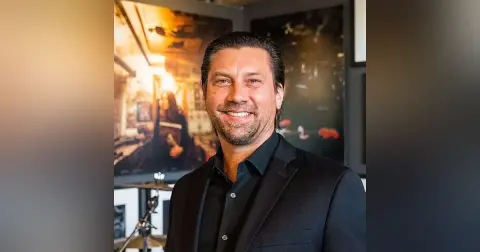
GREETINGS FROM…Jim Rotolo of E Street Radio

 Apple Podcasts
 Spotify
 Castro
 RSS Feed
 Youtube Music
 Hustle, hard work and vision define how Jim Rotolo rose up from the swamps of Jersey to reach the core of Bruce Springsteen's fan universe. As a career radio guy, Jim has experienced the many ups and downs the business is known for. He has taken bartending jobs to survive, watched others grab the spotlight and reinvented himself along the way. But, Jim’s Hungry Heart proved to be Tougher Than The Rest as it carried him to The Promised Land of E Street Radio. Jim shares his heart-stopping, pants-dropping, house-rocking, earth-quaking, booty-shaking story on this episode of No Wrong Choices. Jim is Executive Producer and On Air Host for Sirius XM’s E Street Radio.
To discover more episodes or connect with us:
Hello and welcome to No Wrong Choices, a podcast about the adventures of life. Where each episode features a dreamer who chased an idea or a vision and then made it or are on their way. Along with Larry Shea and Toucher Saxena, I'm Larry Samuels. If you've been enjoying the show, please be sure to follow us on your favorite podcasting platform so that you're alerted when a new episode is live, or say hello by visiting our website at NoWrongchoices.com, or check us out on Facebook, Twitter, and Instagram by searching for No Wrong Choices. Joining us on today's episode is a talk show host, DJ, producer, and leading voice of SiriusXM's E Street Radio, Jim Ritolo. And, you know, typically this is where I throw the conversation to either Larry or Tushar, but as the Resident Springsteen fanatic on this podcast, I'm going to keep the microphone for a moment. I'll take some offense to that. With no offense to that, whatsoever. So, you know, to me, uh this is a meaningful conversation and one that I've really wanted to have because I've been listening to E Street Nation or E Street Radio for years, and I've really enjoyed Jim's work, and he does such a great job interviewing people and digging into so many great things tied to Bruce Springsteen. But the thing that I haven't heard is his story. So this to me felt like a wonderful opportunity to bring Jim out there a little bit out front so we get to know him a little bit better.
Tushar SaxenaAnd look, uh, of the three of us, I am the only one who actually lives in Jersey. I was born, I was, you know, bred, I was raised here in Jersey. I was raised here in New Jersey. So it goes without saying that Bruce is in the blood. Now, I'll grant you I am not, I am not as big a fan as you are. You are you are an Uber super fan. I am a fan of Bruce Springsteen. And look, it's part of it's part of the resume if you live here in Jersey. It's part of the job description. You gotta be a fan of Bruce. But you know, with that that being said, the other thing I the other thing I'm a big fan of is Jim Rotolo because Jim is a radio guy. Radio guys love other radio guys and love to have that story. It's all about the war stories when it comes to radio people. You cannot have a conversation with a radio guy and not get good war stories. It's not possible. And if you put us in the if you put us into a bar, it's even worse. Because you'll never it's like it's like putting a dime in a jukebox. You're never gonna you can't get you can't get the record to stop playing, for God's sake. Jim is one of the best guys you'll ever meet. And you know, I think our paths probably have crossed a few times over the course of our career, unbeknownst to us maybe at times, but you know, radio set radio and media is a very small business and a very big business at the same time. It's big, obviously, in the fact that there are so many people in it and small that at times the community feels like you know everybody who's everywhere at every time. So I'm really looking forward to getting some of Jimmy's backstory because I've known him since Sirius, but I gotta be honest, I don't know much of Jim's story prior to Sirius.
Larry SheaYeah, I'm also a big, big fan of Jim Rotolo. I mean, I still work at Sirius, and so does Jim. So we're colleagues still. But one of the things that's happened because of the pandemic is we're we're not going into the office and seeing each other anymore, you know. So I used to bump into Jim in the hallways and and it was never a two-minute conversation. We would always, you know, hang out and talk about his Raiders or my Buffalo Bills or whatever, and just he's one of the good guys in the business, like you said to you.
Tushar SaxenaHe's a good guy, yeah.
Larry SheaHe's he's just a great guy. And we did a show together, and I'm hoping it comes up because I was really proud of the show that we did together, guys Uncensored. Um, and it was a lot of fun to do it, and and he's just you meet a lot of people in this business. Jim's one of the good guys, and it's gonna be super great to catch up with him for sure.
Larry SamuelsWell, here is one of the good guys, Jim Rotolo. Now joining No Wrong Choices is a talk show host, DJ, producer, and leading voice of Sirius XM's E Street Radio. I'm of course referring to Jim Rotolo. Jim, thank you so much for joining us. Thanks, guys. Pleasure to be here.
Tushar SaxenaHey Jim, I've had uh this is Tushar. Jim, I've had the opportunity to know you for a long time. Um and like all old radio people, we love to talk war stories, and you and I have probably talked uh more than our fair share at uh whatever local bar we had a chance to sit, sit down and share a couple of drinks. Now, obviously, you know, you're a you're a big shot over at E Street Radio. And a lot and but I'll say this, I don't know a lot of your I don't know a great deal of your backstory, uh I'll uh to be honest with you. I'd love to know, much like a lot of us, how you got in the business. Where was your start in radio?
SPEAKER_00So I started at the hot rockin' flame throwing Z100 in New York City, the top uh the top 40 station as a uh phone screener. It was a part-time phone screener shift at night, and I was answering request lines and then also phone screening for love phones, which was if you guys remember. What year was that? Uh that was 95, 94, late, late 94. I I started in December of 94.
Tushar SaxenaSo you met Corolla and all that stuff?
SPEAKER_00No, that's a different show. That's the funny thing. People confuse there was uh Adam Carola and Dr. Drew did Love Line in LA.
Tushar SaxenaLove Line, okay.
SPEAKER_00In New York City, there was Love Phones with Dr. Dr. Judy Kuryansky and uh Chris Jagger, and that was what I was part of.
Tushar SaxenaI do remember that one. I do remember that one, okay.
Larry SheaAnd so wait, you were a call screener for this, and you like what is the show about? It was about like uh love connections and quite problems with relationships and things like that. What are we talking about?
SPEAKER_00It was uh it was love, sex, and relationships. Yeah, that's what it was. And I was screening the call, so I was on the front lines, like listening to these people tell all these stories, and you know, some of them were fake, of course, but you know, my job was to figure out make good radio, you know. I don't, it didn't matter if your call was fake. Can you pull it off?
Larry SheaYeah, yeah, it's a highly entertaining subject, to say the least. Um, let's go back a little further though. Uh I I because I do want to know, did you study radio in college? You said you got this job a little after you graduated. Was the dream always radio or or did you fall into it? And how did that happen? How was the transition and did you study to become this?
SPEAKER_00Well, I did, yeah. So when I was in high school, I really didn't have an idea of what I wanted to do until maybe about my junior or senior year. And then I I was sort of I played sports, I played football and baseball in high school, and I knew I wasn't going to be good enough to get scholarships and move on to the next level. So I started, I had to start thinking about what do I really want to do? And I wasn't quite sure, but uh something about performing was uh always something I was interested in, uh like whether it was on a baseball field or on a football field. So I started thinking about acting, and then I thought, well, I want to eat. So maybe uh maybe acting's not a good idea.
Tushar SaxenaSo I know so I know what I'll do. I'll go into radio.
SPEAKER_00Well, really, really, my my thoughts were to be somewhere in the you know, in the TV production or radio production, you know, I was always a big music fan, and so that was really the the the goal to be maybe be a cameraman or you know, I don't even I didn't even know what those jobs were. I knew nothing about the industry. I had nobody, I had no help. I I didn't know, you know, I thought DJs played their own records, you know, or their own songs. I didn't know anything about program directors or anything like that. So I went into I went to college for communications uh at William Patterson College, which is now a university in Wayne, New Jersey, and uh just tried to absorb as much as I could. And it's funny, I during that time I commuted, I didn't live away at college. I uh once a week I would uh go grocery shopping for my grandparents. Uh they're getting up in years and weren't really moving around much. And my grandfather, who was this old Ukrainian guy, would sit in the living room and listen to the radio, like many of that generation did. And he would listen to talk radio, and he'd have me sit there and like listen to this guy and listen to this guy. And and I was kind of captivated by it because the the people that he was listening to were powerful. They had they had a command of the English language, and they were also just they were very good storytellers. And I so and I said to myself, that's something I would be interested in doing, uh, as well as you know, maybe playing music. So that's sort of where I started leaning towards radio.
Larry SamuelsAnd did you leverage that at William Patterson? Were you on the air there? Did you do a bunch of shows?
SPEAKER_00I did. So the real funny thing is, and this is you, as all of us are radio guys, you'll appreciate, most college radio, you get to do your own show and you get to bring your own music in and kind of create your own little, you know, niche show. Uh not a William Patterson. We were a um supposedly a we were run a professional, like a professional radio station, which meant a program director, a music director, sales team. I was actually sales manager. We had commercials, and um the format that was selected was adult contemporary. So so now you have these. Um you know, so now I'm 20 years old and I'm playing, you know, Michael Bolton said I love you, but I lied.
Larry SamuelsAnd I was like, this is not what you had to sell that.
SPEAKER_00Or Ace of if I ever hear Ace of Bass, I saw the sign one more time. I mean, these were the songs that I was playing, and I was doing a 6 a.m. shift, and it was just like torture.
Tushar SaxenaBut I feel like don't turn around by Ace of Bass. I can't lie.
Larry SamuelsBut Michael Bolton at 6 a.m., that's gotta be tough.
SPEAKER_00And Meatloaf, I do anything for love. I mean, these were the it was all that. It was that the Brian Adams song from the Robin Hood sound, like all of those songs, one after another, and every shift we played them. And you could not deviate. The program director who was a professor on the campus, he would pull you off.
Tushar SaxenaYou know, you and I have a very similar story in that sense, Jim. Is that I started off, obviously, same way, college radio. I was over at Fordham. So for me it was WFUV. FUV was the same way. It was a professional station. I was part of the student staff for sports, and the same thing. We had a very specific, we had a hierarchy there as well. We ran a professional station at the we ran a very we ran as as close to a professional station as possible. I think at some point, uh, I mean, I was obviously one of the on-air hosts and a play-by-play guy. I never got to be the sports director at the over there, but I understand which I understand where you're coming from. And yes, William Pat, even a couple of the other schools in the New Jersey area had that same type of format. So your time there really set you up well to move into the into the big New York market. Did you do any internships then uh in during your time at William Patt or no?
SPEAKER_00I did not. I um I this is probably it's a bit I guess it's ignorant now to think about it, but I didn't quite grasp the concept of working for no money. I just refused to do it. And also ignorant. I don't know why I did it either. Yeah, and also I was bartending five days a week pulling in, you know, some serious money. So the thought of giving up a a bar shift where I could have pulled a few hundred bucks in to go, you know, get coffee for somebody or you know, whatever, be a seat filler on a TV set, you know, talk show, just seemed ridiculous to me. It just, I just didn't understand the concept. You know, at least paying me something. I would have taken not, you know, I would have taken a few bucks, but just don't, don't, I never grasped that concept. So I just never did an internship.
Larry SheaSo how do you get the the job at Ed Z100 then? Is this just radio experience in college lent itself to you being hired? How do you make that transition?
SPEAKER_00Well, it's it's funny, uh, you know, because we're talking about a time before the internet, and that was one of the the toughest parts of that was I graduated college, and the one thing my college, and I can't say this about other universities or whatever, um, I was there was no preparation for what the uh the job market was like. They just sort of said, well, good luck. Yeah, and you were now on your own. Yep, there you go. Yeah. So I was, I had no direction whatsoever, you know. And I remember uh coming to New York City, just basically getting dressed up and walking around New York City and trying to find where the record companies were and where the you know the TV stations were and just seeing with resumes in a briefcase, just trying to figure out how to uh get my name in, if I could just get past the reception desk or whatever. This is what you had to do, you know, or make phone calls. And I didn't have much success. I did get an interview at Atlantic Records once. But the funny thing was uh in that summer that I graduated college, there was a job fair at a hotel near where I live, like a ball, like a ballroom kind of thing. And Z100 happened to be there. Now, it was funny because it wasn't anything, any other radio stations, it was all like you know, local warehouses and factories and corporate stuff, and Z100. And they were looking for salespeople. And it just so happened that I was a sales manager, which was in title only. I don't think I actually sold a single thing when I was here. Right, but that's what I said. It says it, the title says it all. Sales manager put on a business card, exactly. So I sent, I gave them my resume, and that was it. I didn't get a call until that December, and they said, uh, you know, it's not a sales job, but it's a phone screening job, it's part-time, it paid minimum wage, and I said, absolutely, you know, that's all I wanted. I just wanted to get into the building. I'll figure everything else out once I get in the door. But that was that was the goal at that time, was just get in the door and learn as much as you can. And that's sort of what I did. I tried to take full advantage of that when uh when I was at Z100.
Larry SamuelsIt's it's just such a different time today. So you you get in the building, you're you're working love phones. When did you start to create, you know, a path for yourself? Like when did you start to take on bigger assignments, digger bigger projects, and become Jim Rotolo, or at least get onto that path?
SPEAKER_00Well, the funny thing is uh Z100 actually became nationally syndicated, and through a series of uh changes that happened in the show, within two years, I was the producer of a nationally syndicated top-rated talk show. Love Phones was on you know 55 stations across the country, and I was the producer, and I was the producer at that time, and I that was a big accomplishment. And for me, I thought it was, and that was and that was great. Um and then things kind of changed. You know, the show ran its course, it died out, and my my feeling was always well, keep moving and stay employed no matter what, because if this show gets canceled, you're out, and you you know, you may not get back in. So I had learned a lot of production. So I learned how to do editing, I learned how to do pretty much everything behind the scenes, and that's sort of what I did for many years, uh, working for Westwood One and Premier Radio Network and MJI Broadcasting. I went behind the scenes for many years. Uh, I I ended up producing some talk shows again in the late 90s on an internet radio company uh called eyada.com. Like yada yada yada with an e in front of it, which was a lot of fun. And except that we didn't get any phone calls because everybody, because everybody was still using a dial up. We we were we were about a year and a half away from the technology. But uh how long were you at e Yada for? Uh almost a year, I would say. Well, I think we did a year, I think, 99 into 2000, right before, yeah. I think we we were there for the turn of the century, and then uh I didn't know.
Tushar SaxenaI'm gonna tell you this. You and I may have met at some point over there. Were you at EID? I worked there. Did you work there? I worked there for like a year for and and part-time, a little bit here and there, but I definitely did some work over there. I worked with uh you remember Ellen Roberts? Yeah, yeah, sports. Yeah, she was doing a show, I forget with who at the time. Was it Don McGregor? Yeah, she did a show a show with Don. Yes. I would board op that show on occasion. Okay.
SPEAKER_00Small world. So yeah.
Tushar SaxenaAnd I probably, you and I probably met over there.
SPEAKER_00Yeah, so I was over there. I did a whole I produced a whole bunch of shows there. I did, and I ended up ended up producing another sex show called Sex Bites. I was hosted by Bob Berkowitz. Um, I did that show. Do you remember that show?
Tushar SaxenaYes, I remember that show.
SPEAKER_00I he I produced that at one time, and then I did um I did a couple of health and fitness shows, which I really enjoyed. That was my that was my favorite thing. Uh we had a health uh channel, and it was a lot of fun. It was a great time, and you know, that ran its course. I think they laid half of us off, you know, when they realized we weren't making any money. Uh, you know, typical startup uh internet company at the time. And then I landed back in the syndication companies behind the scenes, and I'm trying to think, you know, that's right around the time Sirius satellite radio started, and that was a goal to get to work at Sirius, because I heard so many cool things about that place. And I interviewed like five times. And every time I and I was promised a job being a producer, I think Maxim Radio, I always think all these places were promising me jobs as a producer, and every time they were about to bring me in and sign the papers, there was a hiring freeze. So I had to wait and I had to keep waiting. I ended up over at another short-term company called Air America Radio in early 2004, which was basically, I think it was just basically a Democrat Party funded political AM channel. You know, it was right around the time of uh Bush Kerry. So uh we had Al Franken, we had um Janine Garofalo, we had a uh Mark Merron, you know, uh Chuck D from Public Enemy.
Tushar SaxenaSamuel, I think, was there too, right?
SPEAKER_00Lynn was there, yes. Lynn was there. We had uh Chuck D from Public Enemy.
Tushar SaxenaUm rem, yes, yes, yes.
SPEAKER_00We did we had that. Now I wasn't producing any shows. They had brought in their own people, each of the hosts. Uh Rachel Maddow was there. She was nice. I really liked her. Um and and and we did that. I did commercial production, which was interesting because I sat in the studio all day and we had no commercials. So I good good job. We we yeah, I did great. I you know, I got to go. It was nice in the summertime. Summertime was nice. I went out for two hour walks in the city. It was it was fun. And then it's a perfect radio job. Yeah, exactly. And then right around that point, I I got a call from a guy named John McDermott, who I know you guys.
Larry SheaYeah, we all know John, sure.
SPEAKER_00So uh I forgot. I did interview for John McDermott. He was a program director at a talk station in Long Island, and he I he I drove all the way out, like way out on the island, uh, which was far from me in Jersey, to be the morning show producer. And he liked me and we had a good conversation, but that never meant meant for, you know, never materialized, which turned out to be a good thing. So then John McDermott, a year later, is at Sirius Satellite Radio, and he remembered me and he called me in and he said, We have a brand new show with a brand new host. His name is Dave Marsh, you know, the rock critic from Cream Magazine and all that. And I'm like, Yeah, I'm like, oh wow. So they say he's going to do a Sunday morning show. Uh there's a producer position for you. He's never done radio before. You have a lot of radio producing experience. Teach him the ropes, get him through. And that's what I did. And 19 years later, I'm still producing that show. Wow. So Dave's still at it. He's doing great. We've got uh, you know, still doing the shows there. And that was sort of my beginning into, and I'm still producing. I don't really jump on the air till about, I mean, I was on in pockets, but I guess this is where the on-air part comes in. I ended up getting hired full-time as a morning show producer uh for the uh LGBT channel that we used to have called OutQ. Out Q, sure.
Larry SheaYeah, yeah, yeah.
SPEAKER_00So they need, they again had two hosts that had never done radio before. And so I started teaching them how to work as a team, morning show, how to create topics, you know, get phone calls, get people invested, interested in your lives, and all this kind of stuff. And we had a lot of fun, and it was a great time, and I really, really enjoyed it, except I hated getting up at four in the morning. Of course. And and and and so I was I was on air with them. We were like a team, you know, it was like Larry, Cheryl, and Jim, and it was fun, and we were all playing, you know, like a typical morning team, you know, ribbing on each other and having different topics that we would bring in, and we talked about our lives. Was that Larry Flake?
Larry SheaWas that Larry's show? Larry Flint. That was Larry's Flick show. Okay, I know, yeah, I know. Great guy. Yeah, great guy. He moved a little bit to England, I think. Yeah, yeah, Wales. Yeah, Wales, I think. There you go.
SPEAKER_00Yeah, it was a lot of fun, and and you know, and it kind of took its it ran its course as well and and I started to get really comfortable on the mic you know I was started really feeling my own and you know and I had you know people that would call in and I had fans and stuff and it was really nice but I knew that uh you know it's an LGBT channel and I'm not gonna get my show I'm not gonna get a show on this because I'm not uh you know I don't fit into that so it's it felt to me I needed to move on to something else and it just so happened that we had another channel at the time called Cosmo Radio which was Cosmopolitan magazine had uh and they had a new morning show two young girls uh who were great and they needed somebody to teach them radio so I sort of found this role at Sirius at the time teaching talk radio to people who had never done it before and a good role to have it was and and it was great and I had um a great time with uh Taylor Stricker and uh uh Tia who I forget her last name but Taylor's we stayed for quite a while she did she had a show for a long time there yeah yeah yeah she did I I think she's got a podcast now uh and and that was a lot of fun you know I I had a great time with them and I learned a lot I know more about makeup than I ever thought I ever would and that's where like I I met that's where I met Larry Shea because we were working together. That's right so your life changed your life changes at very moment straight down that's right so one of the the shows that they came up with on Cosmo radio was a show called Guys Uncensored and the concept was for the you know the listeners which was predominantly female this is what guys talk about when women are not around okay this was you want to talk to Larry Shea you want to talk to Larry Shea about she does without question so they said to me how do you you know this is your thing round up your your friends like three or four guys do it someplace on location if you want and and just you know just make sure you kind of keep the topics to a certain thing and that that could be somewhat related to the magazine each month or whatever. So topic topical so I said okay fine I had a connection at Mickey Mann's bar and grill that is no longer there on West 56th Street. So we did the show at Mickey Mannes once a week we taped it I had portable equipment and I asked Larry to be a part of it and it was it was us and I had a friend Andrew who was there.
Larry SheaI mean this was the best gig ever can I just jump in here because you know you go to Mickey Mann's you order a beer you have a burger or something they would crack the mics and you're talking about you know a bunch of guys hanging out at Mickey Mann's you know it was the best man drinking beers I mean what could go wrong and we had a good we had a good deal we had a good deal because the beer was free we just had to pay for food that's all we had to pay for that's right so the the the best part of this so this is really my debut into hosting something so I'm hosting a round table once a week and we're talking about topics and we're recording all this so I think we recorded about 15 episodes and I want to say maybe five aired because the truth of the matter is they didn't want to hear what guys say when the girls are not around.
SPEAKER_00That's right. And I remember having these arguments with with the team you know like my bosses and they were like we can't air this and I would say why and they said because women don't want to hear this I said well this is the concept of the show this is what men talk about I said this is what men talk about and they were like yeah but they don't want you to talk about that but I said that's not how this anyway the whole thing was frustrating and it it was great with doing it it was a good time Jim it was a it was a great time in fact my friend Andrew still sends me text messages he has he still has the recordings of and he plays them I do too I'll have to dig those up one day and and so here's the here's where things turn a bit um and I don't know if you guys knew this I quit I did I did not know I didn't know I quit you quit serious or you quit the show I quit I quit serious for the well so here's what I did there was no I was at I was at a point where I couldn't do this anymore. I just couldn't do I was doing the morning show with Cosmo and the girls were great and it was all fun and and I was doing guys uncensored but I just I got to the point where I was stuck. I there was no way I could get out there was no place for me to break through and do do this. And so I voluntarily stepped down with the uh with the exception of I still want to produce Dave Marsh's show on Sundays. So I went from full-time status just down to working one day a week and I said and I and I needed to do that. So I went and I said okay and I need to reinvent myself I'm tired of being a talk show producer because I did get to the point where if I'm teaching everybody else how to do radio and and I'm telling them what to say and then they're just saying it well then they're not the talent. You know they're just doing what I'm telling them to do. Well I can do I can do that myself. And that's sort of like that light bulb went off in my head and that's where I decided I need to do this stuff on myself. So that's why I had to get away from Sirius for a little bit.
Larry SheaSo what was the plan? You want to get away but you must have had a game plan of how am I going to reinvent myself what did you do?
SPEAKER_00Yeah so the plan was to to to get it into music and I wanted to so I initially tried to get it on the music side at Sirius and there just wasn't anything happening at the time which was fine. I uh there was a there's a local rock station along the Jersey shore called W-R-A-T the rat 959 The Rat is where like you you know where you make your bones you know you get uh Carl Kraft who's the still the program director for over 20 years uh I I knew a few people there I sent an audition tape in he gave me a an overnight shift like midnight to 5 a.m he sound checked me and he said well the place didn't burn down in the overnight so we'll put you in the weekend rotation and that was that's that's all I wanted you know uh so I was doing weekends at the rat I had uh Sunday mornings with Dave Marsh and I went back to bartending for a little while to make to make my ends meet you know it's what I had to do but it was all worth it it was a it was a strange time but it was it was worth it because my relationship with Dave was good really good and this is where the Springsteen part all ties in for people that don't know so Dave Marsh wrote several books about Bruce his wife Barbara Carr was one of Bruce's managers and so I was spending time with Dave was able to go to a bunch of the concerts and I've met people there and and they had come up with this idea of E Street Radio for Sirius XM which was only supposed to be a temporary channel for Bruce's born to run anniversary box set. Bruce came up to Sirius Dave and him did a nice interview I engineered it it was wonderful. Not thinking long term well the channel disappeared for a little after it ran its course but uh Dave Marsh and Bruce's management and management at Sirius XM decided to bring the channel back as the first artist-based 24-7 channel on the platform and so now there was a place for me to come back to and we had Dave had a show of his own called Live from E Street Nation I was producing that and I was back full time with the company and I'm still doing the rat W-R-A-T and then I think I moved over to WDHA which is another station in Jersey at the time and I was trying to think of something I could do on my own and I had this idea now we're all sports fans right sure so we love you know we go to games I know you're Bills fans with Giant I don't know what other teams you guys like Giants over here Giants okay right so I was a I had a jet I'm not a jet fan but I had jet season tickets for many many years me and seven of my closest friends and we when I tell you we tailgated hard man we had some crazy stuff but we we took it seriously it was important to us you know we looked forward to those Sundays and much like going to a concert you you tailgate you know in this big stadiums or arenas and yeah and what do you do with those tailgates? Well you drink beer and you eat and you talk to the people that pulled up next to you and to the left and to the right and you talk about if it's sports you talk about the games you know all the different details of what place are they in did you see last week I hope this week this guy kicks better all that kind of stuff and the same thing with concerts you talk about you know oh I saw that I saw the band on the last tour or I hope he they played this song tonight. So I had this idea of a tailgate party on the radio with Bruce Springsteen fans. And it would be it would be a request show where people would request songs but I would have a topic every week much like if you were in a parking lot talking amongst people you had never met before you know anything from you know favorite opening song off a Bruce Springsteen album or you know a favorite female character or you know best live version of whatever Thunder Road. You can there was all these different topics you could come up with and I I said we I can do this I can build this community because it's there. And thankfully Sirius XM and Dave Marsh and John Landau management all gave me the the green light to create this show.
Larry SamuelsAnd in 2011 I debuted The Wild and the Innocent with Jim Rotolo on Sunday nights I'm sorry on Friday nights at 6 p.m Eastern time and I knew the audience was there and they showed up almost immediately which I couldn't believe and um it it's been quite something I've been doing the show for over 10 years now and there's a community of fans actually a community of friends I just did a an event last weekend and people had come up to me this woman came in from Montana and she said I'm here with and she mentioned three other people and she said we're all friends and we all met because of your show look at that Jim you know it it's interesting Jim I I am a member of that community I have been listening to your show since the very beginning I'm a Springsteen fanatic um I've always um followed along very closely and one of the things that I I wanted to get to was you know how does it feel to be the voice of a community I mean it is there a pressure that comes with that is there a sense of responsibility with that like what is that like you know it's a good question.
SPEAKER_00I I I didn't I I knew I could build something and I knew that uh we I could bring people together I mean it's you know it helps to have Bruce Springsteen music to do that with but I didn't I don't see myself as any kind of like leader or kind of you know I'm the creator of this I mean I did create it but I created the show but it's you know it's just this nice community of people it's it's a bit overwhelming at times because especially when you go out to shows or events and you know you meet all these people and they they want to tell you their story and it's and it's it's beautiful. I I I do my very best to listen to everybody and give them their time because they have something that they want to share with me and it's it's important to them. You know I meet families of Bruce Springsteen fans you know generations and we've got a tour coming up so I'll be out on the road seeing some of these shows and and we'll be doing some live broadcasts and things like that. It's it's amazing it it it went far beyond what I ever realized it would be. And I and I'm I'm very grateful for everybody that's that you know invests in the show and invests in E Street Radio. Like I said it it's it's it's a dream come true and I and I I just I just knew I could make something like I could make something happen and I could just do something more than play songs on the radio. That's amazing and that's that's great. And that's kind of what I wanted to do.
Larry SheaI think it's a good time to ask this question because we're talking about the community and I don't want this to sound weird but like do you get asked to get messages do people treat you as a bit of a conduit to Bruce and like if so how do you handle that like obviously you're nice but how do you handle it is a responsibility right you're representing a a little bit yeah yeah 100% I get asked a lot of uh favors uh people ask you know can you get this to Bruce you know I I I get that and and you know I tell people as nicely as I can I don't have that I have a line to the management company and I do have a line to Bruce for certain things but it's not like I can text him and say you know what are you doing for the giant game this Sunday you want to go out like I can't I can't I can't do that and and then I would never do that.
SPEAKER_00There's a there's boundaries you know you have to have certain boundaries and you have to respect people's privacy and so as much as I would try to really like to help everybody but that's not my job I can't I can't help everybody's request you know can you have uh Bruce call into my mom's you know birthday this week no I can't I can't I can't do that. But Jim Rotolo can are you on cameo am I on cameo no I'm not gonna be an opportunity I'm writing that down after we record this check out cameo link or whatever I need to do there.
Larry SamuelsSo Jim like for the vision of the channel um you know you've brought forward different programs you're obviously the lead voice uh on e street radio the wild the innocent growing up is now out there like what is your role what is your participation uh or or or just your what is your role when it comes to content vision who puts that forward for E Street Radio and are other people like John Landau and Bruce like like how does all that work?
SPEAKER_00Well it's it's interesting um it's myself uh Vinny Usarello who is who has the title of channel director I am considered the executive producer and on air host of the channel if you want to go in titles um and Vinny and I work really well together as a team we're a great partnership um we both have a lot of different ideas that we put together and you know we we talk about what's coming up in the in the world of Bruce calendar wise anniversary special guests all those kinds of things and we just always have different ways of taking the music and making it fresh again in in some way like repackaging it in certain ways and and everybody at John Landau and Bruce himself have been very very supportive you know Bruce did 19 I'm sorry 29 episodes of his own show that he created during the pandemic called From My Home to Yours and he recorded those at home I helped produce those shows so Bruce and I had lots of conversations during the pandemic about putting those shows together. They're all on him. I mean he picked all the music and all of that I just kind of put them together and seen whatever like you know little fine touches it needed so I mean it is a team effort. I I my role is just to kind of keep the forward momentum on everything you know there's lots of things going on there's the uh there's the Springsteen Archives and Center for American Music they're building a a whole museum in in Longbranch on Monmouth University so that's under construction and they have like all of and it's the it's officially certified from Bruce so they have all these great archives and stuff and you know memorabilia. So there's that you know I mean the guy is 73 years old he's still making albums and now he's going on a world tour that helps for sure you know it it helps that he's active and he's busy and he's doing things so you know we we we just keep moving along and and and now that we've got this tour that's about to happen or by the time this airs we'll we'll already been underway. So and I don't think that's going to I think that's going to last for the next couple of years. So I'm excited about that. It keeps me busy and uh I get to go see Bruce Springsteen concerts which isn't a bad gig.
Tushar SaxenaYou mentioned the pandemic a f uh just a few minutes ago would you say the show was more important or as important during pandemic?
SPEAKER_00Uh which show Bruce's show or my show? Yeah or the or the channel in general like your show Bruce's show etc well what really I you know one of the things that changed during the pandemic was I had only I had only been on air twice a week I I was uh doing the live from E Street Nation with uh with Dave Marsh and then my Wild and Innocent show on Friday nights once the pandemic started I started going on the air every day and that's what I'm doing currently I'm still I'm on five days a week uh in the mornings I do nine to noon Eastern and then I come back and do five to eight you know Eastern why the changeup uh to to keep in contact with people I guess a friendly voice you know to kind of keep the community you know so you know during the pandemic everybody disappeared everybody went and locked you know down and uh you know I think the great thing about what we did with e Street and and Sirius XM in general is just we kept we found ways to keep the connection there between our our subscribers and the music you know uh we were live on New Year's Eve of 2020 I did the countdown to midnight I had Bruce call in and you know Southside Johnny we we we we tried to comfort as best we could during those times and Bruce definitely stepped up by by doing these radio shows from my home to yours and the fact that he wanted to get out there and and stay connected with his audience and especially during there were some rocky times during that period. So you know he had his own commentary on what was happening and you know it felt comforting and that's that's the word I think many of the fans have said to me that during the pandemic it was so it felt good to hear your voice which is a really sweet compliment um so that's you know that's what we did during that time and and Bruce released an album during that period as well. But he really those from my home to yours shows really made a huge difference and then I was kind of there doing my my thing as well so we really we we upped our uh we upped our game during the pandemic and I think we did a really good job.
Larry SheaYeah I think it's suffice to say this community and what you do is very special and unique among fan bases and and you're you are that conduit right it's super important. I love hearing about your story and how you got to where you are I mean do you have a professional highlight at this point? Is it a moment? Is it an interview?
SPEAKER_00Is it a concert is it uh what what's give me your professional highlight because you're living a dream right now it sounds like yeah well it's interesting I I you know I I don't really feel like I work for a living so I uh but it took me a while to get there but you know as one as one of my close friends said to me one day I had him on the radio we were doing an on-location uh show in Asbury Park he turned to me afterwards and he had said you did have a plan didn't you I said well I did it just took a while um as far as a uh a career highlight you know I can't single out one particular thing I just there are moments where you could be at a room or at a show or in somebody's home and you kind of step outside yourself or you you you kind of say to yourself how did I get here how did this happen and those are like my favorite moments you know whether it's uh a time you know I I tell a story about having a turkey sandwich with Bruce at his home which is a very long story that's kind of surreal. Right exactly that and that's one of those moments where it's like how did this happen you know like you know I was I was like making martinis like five years ago or whatever time it was so things like that um are are are sort of I guess my personal highlights I mean yes you know being around the Bruce world and uh and all these years and and you know the backstage stuff the family of people that and it's a family backstage they're they're great people and they've been So welcoming to me. You know, those the those moments have been great. You know, meeting so many famous people and having conversations like I do now with my new show growing up, and you know, having the these one-to-ones with people that, you know, are known throughout the US, some throughout the world. I mean, these are all great moments. I I think the best is just the fact that I've been able to have some ideas and uh bring them to fruition, that they've been able to, you know, I could take something that I was thinking about and actually make it happen. I think those are the best career highlights. Creating two radio shows.
Tushar SaxenaAll right, let's talk the flip side of that. So obviously, as you said, at one point you did quit from Sirius and you had some lowlights in your career. So was there because it's not it, you know, for those who for those who want to get into the business, it's not all it's not all champagne and roses, right? So there's also the point where you say to yourself, is it even worth it? And do I want to quit? So was there a moment or a couple of moments where in the career you said to yourself, I'm done. I can't take it anymore.
SPEAKER_00No, uh the one thing that I I've always prided myself on in this industry is persistence. Um I just I I guess that's sort of my sports upbringing is you know, if you want to be good at something, you have to keep working at it. So that was always I I there are times when you're like, why am I doing this? Especially in the beginning when you're making no money and you're working, you know, you're missing holidays and you're missing events because you know, you're working Christmas Day or you're working Thanksgiving and you're not with your family, and everybody and all your other friends are celebrating with their families and stuff, but you you're doing this because you love what you do. Um I I don't regret anything. I I just I think the only thing I might have done differently would be um I think my education should have been different, I think. I don't really I wish I went to a better school. I wish I had a little more knowledge of how the industry worked before I tried to go out and pursue it. That was a very yeah, well, that was a very frustrating time because I had no direction. So um uh this is no secret. Uh many people in our industry went to locally here in the New York metro area. Well, you either went to like Seton Hall, which was known for their radio station, or everybody went to Syracuse University because Syracuse had this Or Ford Or Fordham. Or Fordham, right? Well, what the hell did I know? I didn't know any of that existed. I didn't know any. I I when I tell you I knew absolutely nothing, I knew absolutely nothing. And I had no, I you know, people looked at me like you want to like people, how do you get into like people like me don't get into radio, you know? That's sort of how it was looked at or perceived. And I just I like I said, I I wish I had done more research, but it was hard to do research back then for things like that because you didn't know. I didn't, like I said, that might be the only thing I wish I might have done differently because it might have given me a different head start in the cur in the career. But listen, it all works out for a reason, right?
Larry SamuelsFor sure. And you know, I think it's been my experience that people with heart, confidence, and passion, it it find things find a way of working themselves out. And and clearly you're one of those people who find who wound up in in the right place. As you you know, look forward, um, and I know you're in a wonderful place right now, but you know, what what is the what does the future hold for Jim Rotolo?
SPEAKER_00Well, it's funny you say that because uh I was sitting down and um I've sort of found myself in this hobby. Uh I don't know what I don't know if it's a hobby, I don't know how you describe it, but it's um something that I've been kind of passionate about over the past few years. Um personal growth and development. And um it's something that's not very popular here in the US. Um and it's something that I think is very important for people that struggle with different things. And I've I've had friends of mine that have gone through some stuff, and myself included, and I it's something that I think more people should be aware of, and how there's ways you can take care of yourself better, both mentally and physically. And I've been talking with a lot of different experts, and I'm thinking about starting my own podcast about in regards to that. Something different, really, you know. Yeah, I mean, much like the same you guys, you know, talking with me and others about their stories, you know, there's a journey that we all go through, and there's a lot of people that don't get to achieve things for many different reasons. And, you know, you can change your mindset by doing a few different things with your if you look at things a lot differently, and there's ways to go about doing that, um, but a lot of it is taking ownership on yourself and learning how to focus away from negative aspects of your life and turning them around and working at it. And that's what I that's what I mean by personal growth and development. And, you know, a lot of people choose not to do that, they rather, you know, take pills or you know, avoid the uncomfortable stuff. And that's sort of where I want to maybe go into. I mean, I love music and I love what I do right now, and I will continue to do that, but this is sort of something that has piqued my interest over the over the past few years, you know. Um, so I I've talked with several doctors and and other experts in this industry, and I just feel like it's something that's not been talked about here in the US. So I'm thinking about bringing a podcast and bringing some of these people on and having some of these conversations. So stay tuned for that.
Larry SamuelsIt's a great topic. Yeah, that's a great topic. And you know, I personally have you know been touched uh a couple times recently by by similar stories. So um it would certainly be be valuable and interesting to hear um all kinds of different perspectives around that. Um so Jim, you know, good luck with that and and good luck with with everything you're doing. Can you can you quickly go through a list of the different programs and the different places that people can find you?
SPEAKER_00Sure. So uh my weekly all request show, The Wild Dead and the Innocent with Jim Mertolo, is Friday 6 East 3 West. We do that for two hours every Friday. It's a lot of fun. You call in at 87770 Bruce, which is 782 7027. Yeah. I only say it every day. 877-702-7823. That's a lot of fun. Uh, I have a show called Growing Up where I sit down and have a conversation with uh Bruce's more notable fans. I just talked with Allison Williams. We had a great conversation. That's going to be coming up soon. I talked with Pen Gillette, Ralph Macchio, Judd Apatau, all hardcore Bruce fans, and that's always fun talking with them. And I get a little bit of their story as well, along the way. So um, that's that you can find. It'll be uh there, all those shows are on demand on the SXM app. Just search uh E Street Radio and you'll find the listings there. And so that and then you can hear me uh weekdays, 9 to noon east and also 5 to 8 east, and uh everything else that comes along the way, I'll let you guys know. Jim Rotolo on Instagram, at Jim Rotollo on Twitter, and The Wild Than the Innocent with Jim Rotolo is the show's Facebook page, and you can always find me on Facebook is Jim Rotolo.
Larry SamuelsAwesome. And uh the the one question I have to ask you as the Resident Bruce fan on this program. Yes. You may or may not air before the first show coming up in Tampa. Do you have a prediction for what the first show or first song of the tour is gonna be?
SPEAKER_00It's funny you you ask that, Larry, because that was a topic a few weeks ago. So I I will tell you what I think the opening, and not only will I tell you what the song is, I'm going to give you the the scenario of how it's gonna open. This is in my own little warped mind.
Larry SamuelsAnd the best part about this is that it might air after things happen, so we get to see if you're right. Right.
SPEAKER_00I could be completely money on this. Do we want to put money on this? No, but uh who knows? Uh so here's what I'm thinking, right? The crowd's there, everybody's you know, super high and can't wait for this, you know, show. Um the the walk-on music's happening, lights go down, arena's completely dark, band takes the stage, you can kind of see them, but you can't. They all get to their spots, you hear the opening drums, the crowds building up, building up, and then all the lights go on, and you hear and you see Bruce sing the opening lines. I hear the sound of your guitar. Ghost will be the first song of the to of the tour.
Larry SamuelsOkay. That has been my thought too. I think it will be something from that album, and what else would it be other than ghosts? Burn and Train, possibly. I love that song. Me too. Love that song.
SPEAKER_00Yeah, we we start the we start the wild and the innocent every week with that. That's I've made that song sort of the unofficial theme of the show.
Larry SamuelsLove it. So look at you two. So ghosts is the prediction. That's my prediction, yes. Okay. Well, we we will circle back around and find out whether or not you called it right uh very, very soon. All right. So I so, Jim, with that, thank you. Thank you, thank you for joining us today.
SPEAKER_00Thank you, guys. It's great to talk with you, and hopefully we'll all get together, get a view.
Tushar SaxenaYeah, we gotta we gotta get together real soon, Jimmy. All right, sounds good, guys. Thanks again for having me.
Larry SamuelsAll right, thank you for coming on. Take care. Well, uh, another great conversation for us. Thank you so much to Jim for joining us. And for all the Springsteen fans out there, I think we're gonna hold him accountable and we're gonna come back around to see whether or not he gets his prediction of ghosts right. My guess is that he is. So uh I I guess we'll see, but uh I'm obviously very excited for the tour. I'm telling you, you guys should put money on it.
Tushar SaxenaWe should put money on this.
Larry SamuelsI'm inside of a text right now.
Larry SheaYeah, Jim is he's impressive, isn't he? I mean, we talked about what a great guy he is. I heard so many lessons in this interview. You know, he wasn't afraid to pound the pavement to look for a job. I mean, nowadays you would do that differently. It'd be internet, it would be contacts, LinkedIn, things like that. But man, he just had this perseverance that he deserves everything he gets at this point in his life. Because here's a guy who who kind of was giving it away for free, teaching other people how to be great radio talk show hosts. And he had the gumption, the wherewithal to kind of step back, step away, reassess, and reinvent himself. And I think that's impressive when you talk about a career path because he already had his foot in the door, but was smart enough to take a step back and and look at it from a different perspective. And I think that's a great way to go, and it's a it's a real lesson there for you.
Tushar SaxenaThe one thing I was very surprised that he said was, you know, that that there are things he would change, right? I mean, we've talked to a lot of people thus far, and uh, most of them say, you know, I really wouldn't change much. I really wouldn't change much of anything. But he said, Yeah, I I think there are changes that I think I would make, and one of them would be where I went to school. He's absolutely right. There are three schools in this area, three or four schools in this area where there is an alumni base which has deep roots in media in this area. I went to one of them. And that was one of the reasons why I went into the business because I knew there were people there who could get you in the door. So what he did in a lot of ways is pretty remarkable being able to bang the door down and get his foot in the door. I actually, you know what? Jim Rotolo, uh Jim Rotolo is a really good guy, but what he really is is a guy who shows a lot of perseverance. And there aren't a lot of people who have a lot of spirit to do that. And I uh, you know, I have all kinds of respect for Jim Rotolo and what he's done because he really has turned himself into one of the better broadcasters in this industry, being a good guy and staying true to who he is.
Larry SamuelsFor sure. And uh, you know, there's something to be said for keep moving your feet, keep going, etc., etc., and things will break your way. And and and that certainly happened for Jim. He made this opportunity happen for himself by by just keep it, keep by just by keeping at it. Um, the other thing that I found you know so compelling, um, which I wanted to get to in the conversation was um the sense of responsibility in a way that he has for this Springsteen community. I mean, he he's in a very unique place where um he he's a facilitator and he's sort of like this glue between all these different people who have such a uh a love and a passion for for Springsteen and his music. And he's just he's in a unique spot that that very few people are in. So to hear that perspective and and to hear what that's like, um, to me, I found very, very interesting.
Larry SheaI think that's a great point. I'm glad you brought it up. And I also think, you know, taking a concept, the whole, you know, tailgating concept, right, for this venue and kind of having that vision, I think is super interesting that that was his vision. I never would have considered that, but now it all makes sense that he set gives you the real story, right? Having that tailgating vision of how can we all get ready and get amped up for this together, and then bringing it to fruition, I think it says a lot about who he is and how he was able to take a vision and make it reality.
Tushar SaxenaYou know, there is one question I did want to ask him, which I never had a chance. You want to know what it was? Go. What is it? So I forget someone say something for God. Yeah. So the question is how many times have you met Bruce down the Jersey shore during this time of year? There you go. Because I'm telling you, there are so many pictures of people from Jersey who meet this guy down the shore. And it is down the shore. I'm saying it correct, I'm saying it correctly. There are so many people who meet Bruce down the shore this time of year because he's there this time of year, walking, walking down the Jersey shores because nobody's around. He's not gonna get he's not gonna get mobbed. And it's unbelievable how many pictures you'll see of Bruce fans or just you know, people from Jersey, etc., who have who put up pictures up on social media of just meeting Bruce, just randomly just meeting him. It's unbelievable. He's so accessible, he's so accessible to his fans, he's Jersey through and through. That's why I love the guy.
Larry SheaAnd I think uh Jim hit on one of Larry Samuels' biggest dreams, which is to share a turkey sandwich with Bruce.
Tushar SaxenaNo, no, no. His dream is to have the phone, is to have the bat phone number. He wants the bat phone.
Larry SheaThat's right.
Tushar SaxenaWell, that was gonna be my question.
Larry SamuelsIf he's on air, is there like a bat phone in the corner of the studio? Or if it rings, you know it's Bruce and you've done something wrong, and uh-oh, you gotta work out whatever your problem is. So, anyway, with that, um, you know, Jim, thank you so much for joining us today. What an incredible conversation. We also thank you for joining this episode of No Wrong Choices. Please be sure to follow us on your favorite podcasting platform, or join the conversation by visiting our website at no wrongchoices.com and our Facebook, Instagram, and Twitter pages, which can be found by searching for No Wrong Choices. On behalf of Tushar Saxena and Larry Shea, I'm Larry Samuels, and we are the fellas.