Stay True To You with Actor/Writer/Director Nick Job

 Apple Podcasts
 Spotify
 Castro
 RSS Feed
 Youtube Music
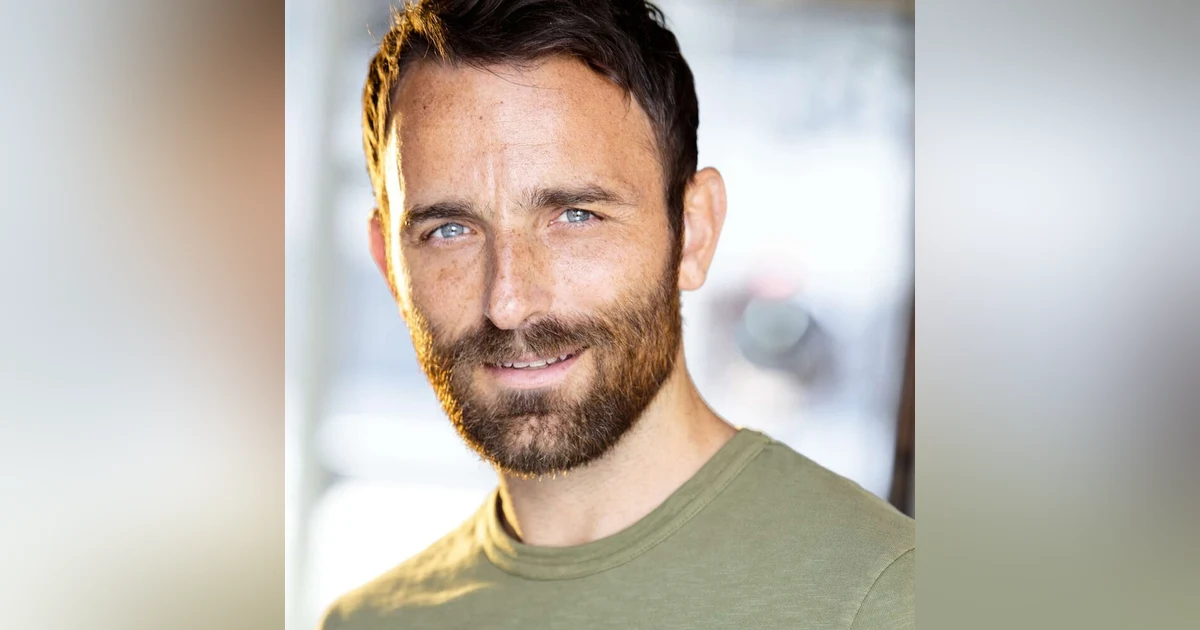
 Be YOU, embrace change and follow your dreams. Nick Job has lived the “classic” New York City actor’s life. He has taken classes from the best in the business, waited tables between auditions, written countless scripts and relocated to LA when it was time for a change. Nick is unique because he made it. And is on the rise. Nick shares the story of his journey - which includes the making of a 'life cast'” - a crazy story! Nick's recent credits include wildly popular TV shows like Yellowstone and Billions, as well as feature films like 2020's Mank. He is also the founder of a writer's workshop/consultancy and host of the new Secret Writer Podcast.
To discover more episodes or connect with us:
Hello and welcome to No Wrong Choices, a podcast about the adventures of life. For each episode features a dreamer who chased an idea or a vision, made it happen, or are on their way. Along with Tushar Saxena and Larry Shea, I'm Larry Samuels. If you've been enjoying the show, please be sure to follow us on your favorite podcasting platform so that you're alerted when a new episode is live, or say hello by visiting our website at NorongChoices.com, or check us out on Facebook, Twitter, and Instagram by searching for No Wrong Choices. Today's episode features actor, writer, and director Nick Job. Larry Shea is a once-aspiring actor and good friend of Nick's. You're the perfect person to set up this conversation for us.
Larry SheaYeah, this goes back to like 2005 when we're all working at Sirius, uh, doing the fellas, way back when. And I remember Jay Thomas, the late great Jay Thomas, is working at Sirius as well, and we became pretty good friends, and he really became my mentor. And I remember asking his advice about how I could become a better radio talk show host. And the first thing he says to me is, You need to improve your improvisation, your on-air presence. He's like, get into an acting class, you know, go figure out who you are, and it'll help with everything. I end up studying with one of the best teachers in New York City, and Nick Job, who's been studying acting his whole life, is in this class with me. And we end up pairing up as scene partners, and he becomes one of my best friends, to truth be told, because we were working on these great plays, long days' journey in the night, etc. And you just become so close, you know, and he became such a big part of my life. And his career really took off. I mean, I ended up going in a different direction, but it did help me with my radio stuff. But to watch his career blossom and take off from a distance, uh, it's just been a real pleasant thing to behold. And Nick is really going to give us some insight into what it's like to be in this business. It's not easy.
Tushar SaxenaI've had this opportunity to meet Nick a few times through you, obviously. He's your he's your very good friend. And the one thing I've always I've always taken away from my meetings with Nick is that he's just a very cool guy. And I don't still mean that like, you know, he's just a very down-to-earth person. He's got like this really, what I would say is like this inner calm. And he's very California. He's a very Zen dude, and he's got a really interesting story, and that's what I think we'll come across when we have this opportunity to speak to him.
Larry SamuelsNo, he's he's very cool, very California. And with that, here is Nick Jope. Now joining No Wrong Choices is a hardworking actor, writer, and director, plus a really good guy that we've known for a long time. I'm of course referring to Nick Jope. You might know Nick from his appearances in Mank, Billions, Blind Spot, and so many others. And he's also written or directed some great shorts. Uh, two of them are The Last Night and Protect Us. And also, he recently shot a new pilot for HBO Max that uh I think Nick will get into a little bit later on, so I don't want to tease that too much off the top. So, with that, Nick, thank you so much for joining us today.
Larry SheaYeah, it's good to be here. Thanks for having me. Hey, full disclosure, because Nick is my buddy, so I need to jump in here real quick. Um, you know, this is about chasing your dreams, this show. This show is about pursuing your dreams, finding that thing that makes you tick and going after it hard and heavy. And, you know, we thought Nick would be a great guest on the show because there's nobody who works harder, there's nobody who's more dedicated. I know because I was alongside him doing this for years, and I quit because it was so hard. I was like, enough of this. No. But it's um acting, directing, writing. This kind of art is based on rejection, and I think it's a perfect guest for the show because what what Nick, you're gonna tell us is what it's gonna take for somebody to break through this creative process and become the artist that you strive to be. Um, you you know, you're hard working, dedicated for sure, but you're also a student and a teacher. And I think the thing that separates you in your acting career is your thirst for learning, right? And that's kind of how we met back in 2007 or 2008. We both went to the same acting teacher because we were looking for those same things in life. And I know your journey started a lot earlier than that. So hopefully you can share with us your journey, how you got into acting, how you got into writing, your goals, your dreams, and how how you're trying to get there and how you got there in the past. So welcome. I know that's long-winded, but welcome and um share with us your secrets because this is a tough field, man. What would you say right off the bat about why you wanted to get into all of this art and and creativity? Well, first off, thanks for the double introduction.
Tushar SaxenaThat was yeah, chaos. I will I will once I ask you a question, Nick, I will also give you an introduction as well. So we'll just do all across the board.
SPEAKER_00I was waiting for two shars as well. Um, yeah, you know, I don't know. I mean, uh there's that old thing where they say, you know, you don't choose it, it chooses you, or you know, the thing where they're like, you know, hey kid, if you can do something else, do something else. And uh I just think it was one of those kind of things. You know, I when I was a kid, I guess I wanted somebody's attention. I wanted to be seen, you know, and and uh that I remember oh god, I never I never I haven't even thought of it this way. I remember when I was a I think I was maybe in sixth grade and I got into the musical to because of the girls, of course, right? Because I was like, oh, I want to there's some pretty girls in that class, and I did the musical, and I was bad, I was not good, and I did not I thought it was cool to do it, but then when it time to get up on stage, I was like, I didn't want to actually try. You know, my buddies are here, I don't want to like try at this. And then, you know, I I uh I was in I was in high school, I was playing football. I was like, I was not large, I'm still not large, and I was playing uh freshman football, and I shaved my head, I was like, oh, it was tough, you know. And then um I was also in this musical theater class, right? Because I think it was I don't know, I don't know why. I was like, maybe this there's something here. And I realized that I wasn't great at football naturally. I mean, I was small, but I could sing. I was like, oh man, I could, I I'm people people were responding to the sound of my singing voice. And I think that was the beginning of it. I was just sort of like, here's something I might be good at. And um, and that opened up. You know, I did a bunch of plays in high school and and uh yeah, that just kind of became something that I was uh I don't know. I just was like, I'm I'm good at this thing, and then I don't know how many, ever many years later, 30 years later, here I am.
Tushar SaxenaUh Nick, I know that uh and you know, have having obviously met you before and having known a little bit of your backstory, I mean, you come from uh you come from a football family, right? Your your your parents have worked have been in the have been in the NFL, have worked for, I believe, for the Rams for many years, and you say that obviously you said that you uh you played some football yourself, but you could have you could have gone uh down the other pathway and gone through to the NFL, but you chose to go to acting. Why is that? Well, I probably I don't think I could have played in the NFL. No, no, I'm not saying that, but I'm saying gone the right like the front office.
SPEAKER_00Yeah, yeah. I don't know. You know, that's interesting. Yeah, my um my grandfather worked for the Bills for quite a long time. He also worked for the Rams. My uncle was a scout for the Patriots, my mom was with the Rams for a long time. Um, I thought about that, you know, and I guess and I and I guess this is sort of everywhere in my story. Like uh it's a big big part of my story, I felt like has been just defining myself as something different than my family system, you know, like that initial desire to just kind of rebel, like I want to do my own thing, you know. Sure, I think that was probably on offer for me to, you know, be get into the sort of the the scouting assistant or the coach's assistant sort of route. Um but yeah, I I I wanted, I feel like from a young age, I really wanted to just sort of develop my own thing.
Larry SamuelsSo, with that, you know, what were the steps that you took? So you discovered in high school, you took your classes, you started to think to yourself, well, maybe I can get the girls, maybe this is going to be interesting. Like, like what was the inspiration? What was the first thing you did to to put yourself out there and to try to move the train out of the station, so to speak?
SPEAKER_00Well, you know, I think the process for really I think what it was was when I first started doing any kind of performing, you know, I I think I probably put on some kind of voice and some kind of uh, you know, some act. And when I got into college acting, it was it was revealed to me that great acting is actually just being yourself. And I didn't know who the hell I was then, still working on it, you know, but but I was like, oh, uh, and I I saw it. I was like, oh, I don't I don't have to worry about you know, I'm I did a couple plays and you know, I don't have to worry about if I if I have a cold when the night of the show, because my character has a cold. Like I just get to be me. It and and I what I realized like slowly, like there was this quite frankly, there was a bit of a healing journey in acting. Like acting became a journey to myself to deepen kind of who I was more and more. And I think that's when the quote unquote bug really took, is that I was like, oh, it's just more of me.
Tushar SaxenaSo Nick, uh at uh so was there one moment, like whether it be in college or even now in your journey even now in your professional life where you had said to your you said to yourself, not only not only is it the pres the profession I want to pursue, but this is the profession I can be successful in.
SPEAKER_00Yeah, I mean, I think that you know, I'd been in New York for a while doing theater and you know doing some cool stuff, and and I remember a friend of mine saw me in a class, and I'd taken, you know, I'd taken a number of classes, I've been in, I took all the classes, all the study with all the great teachers for you know a long time. And a friend of mine saw me in a class, he's like, how come, how come you're not doing TV? He's like, You're just a great, you're a great actor, man. You'd be auditioning for TV and movies, and I was like, I don't, I don't really know how to do that. And uh and I did like a casting director workshop class in New York, and the very and my friend, you know, again, that in along that lines of just being yourself. And because I'd done a lot of uh lot of deep acting work, I knew how to be myself. And the very first casting director class I was in, the casting director, she called me in to audition for the blacklist. Like it was like like I didn't have an agent or anything, she just emailed me and she was just like, hey, you know, can you come in? And and I got pinned for that very first TV job I'd ever auditioned for.
Larry SamuelsWere you like walking through the streets and you were following somebody around or something like that?
SPEAKER_00You know, like the green. That was the because that office, that office actually got they that office. I mean, the thing about it is, is you know, and people tell you this is such a relationship business, that office liked me so much, they actually I got pinned for the blacklist, which essentially means it's probably between you and one or two other people. They're pinning your dates, and then they cut that role from the it was a you know, it was a small kind of role. They cut that role from the show, but I kind of felt like, and I remember she said to me, she's like, Our office really likes you. So they just kept trying to bring me in, trying to get me my first TV job after that. They had me in for kind of all their shows. And I think they had me in for blind spot maybe three or four times before I, you know, booked that first sort of blind spot thing, you know, that that following guy or whatever he was.
Tushar SaxenaDid they ever tell you like what exactly what it is that that attracted that that attracted them to you? Or attracted you to them?
SPEAKER_00I don't think they ever did. I mean, I think it was just that you know like I said earlier, I think that the the the fa the the wrong route that pat people go down is they need they think they think they need to do more, you know, they need to become more, you know, uh more workouts, more whatever it is, better teeth, whatever the thing is. And and I think that I somewhere someone told me that the path was just a deep deeper into you. And so I think I was just a just a normal me. I wasn't there wasn't a lot of added, I wasn't adding a lot of sauce onto whatever I was doing.
Larry SheaI'm glad you talked about the relationships though with that particular agency, because I think that's super important when you're talking about this kind of work. The biggest, the biggest scariest jump that I feel I looked at when I was facing, you know, my acting career was going from the learning, you know, working stage of working on being a good actor or great actor to going on auditions and getting rejected at every single turn. It's literally a minefield of rejection. And for someone like an like an actor who you're trying to build yourself up, you're trying to build up your ego so that you can put yourself out there and be exposed and be judged, essentially, for such a theater of rejection. How hard is that leap?
SPEAKER_00I mean, I think it helps to see the whole pro when you have a chance to see the whole process from start to finish, you you realize how little it has to do with you and your performance. You know, I think when you get that perspective, at first it was, it was like, you know, you just put all of your your emotional eggs in that basket and you and and you and you start your your mind starts telling you the story. You're like, oh, if I get this one, then maybe I'll get that next one over here, and you you just start, you you do the whole, but it it never ever goes the way your brain thinks it does. So I don't know, I don't I think that when you can see the whole process, you know that so much of casting has to do really with a look, the sound of your voice, things that you just could never fundamentally change. Once you kind of get to that phase, you're like, hey man, you know, they weren't picking up what I was putting down. And and you stop thinking about it like you're being rejected. Um, and you start thinking about it like, oh, you know, somebody was just you know, I had a mentor once that was like, you know, when you go into an audition, consider your consider just that you're being of service. And when you're being of service in that audition, sometimes it means that what you're doing is you're showing the casting director who they don't want to cast. Interesting. Like, you know, you're you're showing them like, okay, we know we don't want someone like that. You know, like that's that's the help you're doing for them for the day. So I think when you can get perspective on it, you know, again, you know, auditions come in in bunches for me, and I'll t I'll tape them and that's it, man. And then I'm like, I'm off to whatever the next thing is. And I it it I think when once you do a lot, it becomes less a value judgment, and it's more just like a eh, you know.
Larry SamuelsYeah, it's funny. I think back to when I first came to New York in the uh early to mid-90s. My my first roommate uh was an actor, and she still is an actor. I don't know if the the name Kylie Vernoff means anything to you. She's been in a a million different things, and she was in Red Dead Redemption. She was the, I don't know, one of the evil people, I think. I never played the game, but anyway, um, it was really fun and interesting living with her because I would come home uh, you know, six o'clock, whatever it was, and I'd press play on the answering machine at that point. There would be 19 messages. One of them would be for me, um, eighteen would be for her, and she'd be running all over the city going like it was madness all the time. And I don't know how many times I uh role-played with her in our apartment to prepare her for the next day. But to your point about the confidence and the comfort, etc., etc., like she had a process and she put on the outfit, she went here, she went there, she did whatever, and she was incredibly strong and and she made it. How long did it take you to get to the point where you had that process, you had that confidence, and you kind of had the rhythm that that set you up for success?
SPEAKER_00I mean, I think all for me I was lucky because a lot of that foundation was laid, you know, in classes with really good teachers working on like, you know, they're always like, work on the great plays, work on the great plays, and I'm like, oh man, what's this gonna do when I have, you know, two lines of dialogue and a TV show? Um, but I feel like I had such a process for how to just like attack script that when it when it finally came time to start auditioning for TV and movies and things of that nature, it was j it really at that point had just become second nature. Like I just knew, you know, and and again, it's like the older you get, the more experiences you have. You know how to push your own buttons, you know how to push your own emotional buttons when you've pushed them a bunch. And so it's not, you know, I do tapes all the time where there's a there's an emotional scene, you know, and I'll tape with a friend and like, how do you do it? You get how do you you get misty, you know. I don't know. You just I think years of pushing your own emotional buttons, which who knows what that does to your psyche overall, um, uh uh, you just it just becomes it becomes second nature. I don't I don't when I get an audition, I don't I really don't I don't put a whole lot of uh process thought into it.
Larry SheaIt's funny because this is why I quit, right? Because I couldn't do what he just did, which is basically just be so well practiced, so well schooled, that you didn't have to think about it. You know, I Nick, I felt such an obligation to first of all, I had a disconnect between my mind and my body, and as an actor, you can't really have that. But I also had these obligations to the characters that I had to keep thinking about and reinforcing over and over again. And then very simply, the third biggest bugaboo for me was I couldn't memorize all those freaking lines, man. It was difficult for me to process all of the emotional and physical stuff with a character and remember my lines at the same time because you're you have to remember like the size of a play or the size of a you know a movie or a TV show, whatever it might be. That's a lot of lines sometimes. You're given monologues long, lengthy things. I mean, how do you how do you have this obligation to character, separation of body and mind, and the detail of I know everything?
SPEAKER_00Well, ideally, you're not thinking about anything, right? This is why Ideally, you don't think. I mean, I you know, you you just don't think. I mean, like the last thing I did, it was a it was a there was a lot of moving parts in that. There was there was some stunt play, there was still a lot of moving parts, and you know, there was it was heightened emo super heightened emotional. And I remember they they flew me out for it, and I was in my hotel room for a lot of days leading up to my my day with the the when we were shooting the this thing, and and I was like going over it in my mind and da-da-da-da-da, and oh choices, and and then like I got there and I was like, what the hell was I worried about? You know, we did like three takes, and I'm like, what was I worried about, man? Like it was just when I'm working, you know, we did a whole we did this one section for a long time. When I'm working, there's just not a lot of thought. It's not you know, and I'm sure you don't know if it's mentioned or not, but I'm also a you know, I'm I'm also an avid meditator, so I think that probably helps as well. Um, but it's just I don't think that much anymore.
Tushar SaxenaLess and less thought as I get older. How necessary would you say taking classes are in your early development? Is it necessary at all?
SPEAKER_00You know, again, I think for me, and it's sort of a a theme, like um you know, there's a lot of ways to get into your stuff into your can we curse on this? Yeah, absolutely. Yes, there's a lot of ways to get into your personal shit, right? There's a lot of there's therapies, a lot of different ways, but getting into a class where you're playing like a character and you know, you're playing like Eugene O'Neill, you're going through like some deep family, like that's a it's a real, real healing. So for me, I think some people, you know, my old acting teacher, which I love, used to say you didn't come to the arts because you had a great upbringing. That was his his thing. Like, I think some people come to the work, you know, you hear stories all the time about people who are like they never took an acting class, you know. I think um somebody were watching Bob Odenkirk or someone said that. Bob Odenkirk, yeah, we were watching. They never took an acting class, but I think some people come to the come to acting with a real deep knowledge of themselves, and and to me that's the work. So I needed the acting classes to get closer to me, to get closer to who I was. So for me, I I definitely needed it. But I don't know. I mean, there's definitely technique there, but I think it was also just like accepting who I was, you know, everything about myself, like that's that's the work. And the people who come into the you know, you hear all those those mythical stories and Johnny Depton, or maybe it was somebody, didn't take many acting classes. I just think those people just were real in touch with who they were. I and and they didn't need all that working on play processing to sort of get there.
Larry SamuelsYeah, as you talk about the the self-discovery and sort of getting into the the flow of who you are and what you bring forward. Would you describe yourself as a particular type of actor, uh a method actor, a character actor? I I don't know what what term I should throw out there, but is is there a a type of character or actor you are?
SPEAKER_00I mean, um I think I hate to like toot my own heart. I think I can do a lot of different versions of that. Yeah. Uh I can work outside in if I throw on a if I throw on an accent, I'm different immediately. Even I'm here in New York for four days, and I'm already there's already more New York in my voice than there was when I got off the plane from LA. You know, I I I I moved around a lot as a kid, so there's a lot of adaptability in me. So I do think I have a little outside in, which is probably close to the method.
Larry SamuelsAnd and what does outside in mean, just uh for for those of us who don't know?
SPEAKER_00Well, you know, you if you put on something, if I put on a different physical trait, you know, if I if I I don't know, stick my gut out or I turn my elbows out a little a little more masculine, a little more whatever, then I'm gonna pr be a little bit different. You know, sometimes I work like that. Um the thing I just did, I played. Which, if you know me and you see me walking around, it's not really my vibe. Um, you know, I just it's just was I just had access to it because I worked on some of those kind of characters. You know, I lived in New York for a long time. So I do think um there's a bit of like, yeah, sort of this outside in process for me at times.
Tushar SaxenaUm I kind of want to change directions with you just a little bit, Nick. And I know that uh, you know, there's an old saying in golf that you drive for show but you putt for dough. And I know that you have started to, or that you are a writer and you've done some directing, obviously, of shorts. So now that you've obviously put your foot into the other aspects of the of the job, which do you enjoy more? Do you enjoy acting more? Do you enjoy the creation portion of it? Writing more, do you enjoy directing more?
SPEAKER_00Yeah, I mean, I think that for me, directing is still sort of, I mean, I'm sorry, writing is still sort of the thing that gets me the most I mean I still love acting, but writing is still the thing that I'm I'm still just getting better at. I'm um, you know, there's there's I think writing it still has more has so many levels to it. Like there there a mentor of mine in writing, he said, you know, the hard thing is when you when you come to LA as a writer, you're you're basically you're basically trying to sub into the all-star game against all-stars. Because because your scripts are going up against the people who've been here for 30 years. Yeah. You know, so he was like, You don't want anybody reading your first five or ten scripts. You don't want anybody looking at those. You want people reading like your 13th or 14th. And we to him and I talk all the time, and I'm always like, dude, that was the best advice you ever gave me. But like writing to me, you know, and I uh you know, I coach writers, so so one of the things like it is truly this sort of never-ending staircase up. There are so many, you know. Uh, I think people who go go uh um do them like the master sommelier test, I think they realize wine has an infinite amount of knowledge. You can learn about wine forever and never learn everything. Writing to me kind of has that. There's so many elements and to it in terms of just it's just like this staircase. So I like that about it. And again, you you talked about Larry, how I like to learn. I like that the that I can just there's something I can just keep getting better at.
Larry SheaYeah, uh, it's I interviewed uh Billy Bob Thornton a million years ago, and one of the questions I asked him was, What advice would you give to a young actor trying to get into the business? And his answer was write characters for yourself. So, in that sense, going into the writing tip, do you find that now as a writer, the way you're developing helps you in your acting work? Or does it supplement? Because one of the things I think you've been brilliant at is not just counting on your acting to pay the bills, you're branching out into shorts and production and writing and workshops and acting. And I have to think that those all kind of help each other.
SPEAKER_00Yeah, I think they do. I mean, it is you're just kind of you're you're coming at it from all these different directions. I in a weird way, I feel like, and and I've and I think mentors of mine would tell me I could probably do less of this, but I think I compartmentalize acting and writing. Like I think of them very differently in terms of the skill sets. They just exist in different places. You know, you were talking about Larry earlier, the disconnect between the mind and the body. You know, um, in writing, you can you can take up, you can rent space in your brain, you know. It's not like, you know, I need to go get into my body. Like writing is bra a lot of brain energy. It's just like, you know, um I get all my I usually my best writing ideas from from deep long meditations, but it's still it's still sort of of the mind. Um, so I just feel like they come from different parts of me in a way. I I can see how they connect and they they teach me things about each other, but they they they're compartmentalized in my in my internal space.
Tushar SaxenaSo if that's the case, would you prefer to be a writer or would you prefer to be an actor?
SPEAKER_00Um I think I would prefer to write because I like the idea of creating the entire world. I like this idea of like maybe it's you know, I don't know, God complex things. Maybe it's control.
Tushar SaxenaMaybe it's the idea of control.
SPEAKER_00Yeah, I like I like the idea of being able to go up to this high level and oversee like a whole arc, a long arc of stories. I really, really like that. And what another thing I like is that in writing, especially if you do it well, you can get across your personal sort of statement and mission statements in ways that people might not see. You know, you can hide, you can you can create allegories, essentially essentially, for things you want to say about the world. And to me, um, you know, my father is is a carpenter, um, and he loves to build to build things. He loves the feeling, I've talked to him about it, of what it feels like to put something together. He used to build houses and all sorts of things. And I like the feeling of when something like that comes together. You know, when when I'm able to make the allegory work, the characters work, the payoffs worked, you know, there's a real build there, or you set up a little mystery at the beginning that builds and pays off, and nobody was expecting it, there's no greater satisfaction than having someone read or experience that and be like, oh, yeah, that that's that's a different that's a different sort of it's a it's a higher level of satisfaction for me, I think.
Tushar SaxenaSo then so then who are some of your influences then? So then who are some of those influences that have come along and that you have really like maybe pulled elements from, or if there is a you know, maybe let's say a show in the last five or ten years that you've said, wow, that's that's the type of writing I want to do, something something along those lines.
SPEAKER_00I mean, I think when I first got into it, you know, I I think for me I really like drama mystery. I just like drama. I've always been interested in my own internal mystery, and I like mystery. So when Lost hit the air, Lost just captured my imagination, you know, because it was driven by a singular question that I don't know if was ever really answered or was answered to the satisfaction of the audience, but they but they they set up a question that was so compelling that you just had to know. And so, you know, that the the showrunners were Damon Lindelof and JJ Abrams, and um you know, people who do that, the the those shows that are really drip, you know, there's a show on uh Apple TV called Servant, uh program, yeah, very good show. Yeah, I these shows that are kind of driven by questions. I'm really I really like that style of storytelling and it it influences me a lot. Um so I you know I I think that th those those are the sort of the show, and then Damon Lindelof has had had a show uh that he came out with in the uh what 2010s, mid-2010s called The Leftovers, uh, which again was trivial, yeah. Yeah. What is it, uh, 3% of the world's population disappeared one day, right? And it and it wasn't even what I loved about that show is it wasn't even about the question itself, where did they go, which was which was driving the narrative, but it was about the um it was about the experience of those who were left behind, right? Which I just thought was so smart. Like that and if you read anything I've ever written, someone goes missing in everything I've ever written. And it's true. You know, I've been in a writer's group for five years in LA, and everyone's like, there's no one missing in the script. Like, something's wrong. You know, you need to go back and start this with, you know, but or or sometimes it's a group of people, but there's just there's this, you know, there's this absence I'm exploring inside. And so I think people who people who can entertain me, but also get me to explore these things, these deep questions, that's that's what what really moves me. So yeah, definitely lost always captured my imagination. And then, you know, Damon, I don't know, maybe eight years later when he dropped, and uh Tom Parada, I think, who wrote the book, dropped The Leftovers, I was really taken by that mythology and sort of what it was saying, and yeah.
Larry SamuelsSo so building upon that, you know, we've had a you know, as your friends, we certainly follow your work and in the different things that you've done, and and we've had a chance to to see many of your different clips, including uh The Last Night, which which we mentioned earlier. But you know, when you think about the works that inspired you, what are some of those things that you know that you're really proud of? Where you were able to take that idea, that feel, that approach, and bring it into your work and create something where you got that kind of a feeling.
SPEAKER_00Yeah, I mean, I think everything I write is like a little ex like I think like I said earlier, it's it's like acting. It's always just a journey c journey closer and closer and closer to me. Each one is just and so, you know, with The Last Night, that was a little love net letter, goodbye letter to New York, you know. It was it and it really, you know, it's it's it's um it's kind of vulnerable to talk about because I I'll just be quite honest with you, I was living in New York City in 2016, and I was, I don't know, whatever I was at the time, you know, in my mid to late 30s, and I just I don't I don't want to I don't want to take anyway's exp anyone's experience away from them. But I was looking at particularly well men and women and older actors in New York, and I was looking at the lives that they led and sort of the arc, you know, and I just had this terrible fear of living in a studio apartment my whole life and never having a family and never kind of I just I don't know. I just there was something about the arc of of kind of you know being alone with my art my whole life that I just didn't and I wanted to s and that's that was the fear that I had, and that was I felt like if I stayed in New York, like maybe that's where it was going. And so, you know, I the last night was which which I am very proud of was an attempt to say goodbye and also to kind of honor what can be a very singular existence of the artist, can be and and quite sad and quite lonely. Um, you know, you you you go to a show, if you do a play or you do a movie, you have these intense connections with people, and then they're just gone. And you may never talk to them ever again. So it was this real meditation on this kind of this fear of this deeper loneliness and also longing to sort of you know create a family of my own, have a little bit more physical space, uh, some more opportunity.
Larry SheaSo you moved to California and you you wanted to pursue something different, acting on a different level, basically, is that right?
SPEAKER_00Yeah, I wanted, yeah, I wanted to I wanted to kind of move into TV writing, I wanted to deepen my my my script consulting and my coaching, and I I mean it wasn't like you know, everyone's like go to LA when you get a job. I was just going because I just it was a vibe. I was just chasing a vibe.
Larry SamuelsI mean, is it is it what you were seeking? I mean, what what what what are the drastic differences between LA and New York within the industry, etc. etc.?
SPEAKER_00I think that you know, they always say wherever you go, there you are. I mean, you I'm still there. It's still me when I wake up every morning, but I do think that um I do think when I lived in New York, it was a it was you know, I was never an East Coast. It was a little bit of a pose, you know. I have my blazers, you know, and now I live in LA, it just feels a little boy. I think I'm a little bit more of a flip-flops. Pants every other day. I remember going out to dinner in LA when I first moved there and just being shocked at how casual everybody was dressed. I was I was uh like offended. I was like, what? Who are these people? But but you know, nice you know, someone explained it to me this way, and for me, it was about it was about I wanted sp space. I wanted just more sp and I and I have it. You know, I'm I live in a bigger space, I have access to more space. My my my mother lives out in Palm Springs, so I get a chance to travel to see her and see family out there. There's more travel in my life, there's just more expansiveness. So in my experience, it has really um it has been really, it was the next step in a journey towards myself.
Larry SamuelsAnd what about the industries themselves in terms of the auditions, the projects? I mean, how different are the scenes in that regard?
SPEAKER_00Well, without f for fear of offending anybody, but I'll just say it, everybody's really attractive in Los Angeles. That's just true. You just go from being like the prettiet, like the damn pretty, and now you're just like kind of an average dude, you know, like there's a lot of really there's you know, you you just no matter how hot you think you are, there's 25,000 hotter more people. So uh that that's a s that's a thing. Uh and then there's nothing wrong with that at all. It's just it, it's just, and I think, I think if you and the and again, I don't know if even attractive is the way to put it, but uh more to a look. I think if you watch New York-based shows, there's much more character actors, people with, you know, I don't want to call anybody ugly, but but there's more character actors, people with more, you know, and in LA people a little, there's a little bit more of the chisels, you know, petite sort of, you know, so it's I think that's different in the two industries. Um and then I think no matter what anybody tells you, unless you're going out there with a lot of heat, which I kept waiting to happen, going out there with heat behind me, um, you you kind of have to start over. Interesting.
Larry SheaYeah, but there's but there's a there's a difference though between I I just I'm always reminded of the Larry Moss story. Larry Moss was great, great um acting teacher, and he was working with a young talent and beautiful girl, and she did the scene, and he was like, you know what, another pretty girl just got off the bus. Like, that's not good enough, basically. You know, like if you don't have that training, Nick, I just feel like the prettiness out in LA, what like it's not gonna do you much good, though, is it?
SPEAKER_00I mean, you know, I I I like to not comment on the state of the industry because I think it's real easy to fall into like the the actor bitter traps, you know. Um I I feel like particularly nowadays, and thankfully nowadays, I I I'll just speak for me. It's a little kind of uh uh tangential, but I love watching shows with non-traditional leads. I just really enjoy shows with non-traditionally looking, I just feel more whatever, they feel more resonant to me, all different kinds, and I'm really thankful that we're moving towards a way more inclusive uh television that we're watching because we get to see more real people. But yeah, you know, a friend of mine also said to me, she said, you know, she said, once I stopped trying to be the prettiest girl in the room in LA, my career took off. So you know, I do think again, and it it goes back to my theme, which is it's a journey to you, you know. I mean, it it uh we don't rob, I don't think how you look it robs you of, you know, you get to have that weather, you know, and some people are very attractive and they get to have a great journey to them. And you know, sometimes it's the best of both worlds for casting, who might be looking for a more traditionally quote unquote attractive person.
Tushar SaxenaSo Nick, we've talked a bit about the process of that you've gone through, you know, whether it be the acting process and now that you've moved to writing and even and even you know your own personal journey from New York to LA to kind of, I guess, let's say clear your mind and figure out and you know, maybe find maybe find a new space in your journey. So the industry as a whole now, how would you how would you view the industry currently? Because there are so many more avenues to create art, right? There are obviously so many more streaming platforms, the movie industry has changed, the television atmosphere has changed. How would you how do you see the how do you see the the the media landscape now?
SPEAKER_00Well, I mean the it's it's not perfect, that's for sure. Right? It's it's well was it ever? I mean that but I mean it's not perfect, but was it ever? Yeah, no, I mean but no, no. I mean I think the the sentiment towards everything that we're doing to make, like I said, television look more like what we see out in the world, is though all of those those uh intentions feel great to me. You know, the execution of it sometimes is a little wonky, but you know, the the intention is is I think correct. Like I said, whatever it is, whether it's more inclusive, let's get more non-traditional leads, like non-traditional leads, let's get like I I think that's right. And I think we're we're seeing that you know, shows with you know, inclusive shows, non-traditional shows, non-traditional narratives, like they're getting picked up and people love it. So I think that's all correct. Sometimes the execution's a little wonky, but you know, execution's wonky in a lot of industries.
Tushar SaxenaSo I I know you said before that you prefer the writing at this point. So is that is that where you've kind of now say put most of your energy in at this moment? Or you still want to act?
SPEAKER_00I mean, I you know, I think that my days are, you know, I wake up and I I I try and wake up at 5 30 a.m. I try and write from 6 30 to 7 30 every morning. So writing is how I start my day. So you in terms of my intention, you know, I think about my intentions. So writing starts my day, but then I'll get uh, you know, one or two self-tapes, you know, and and then I'm then I'm shooting, you know, then I'm trying to find someone to read with me and I'm I'm breaking down a script. So I you know, I don't know. I I don't know if I really have a say in it, but you know, writing is kind of where my energy is, but my days still can become whatever, a Zoom callback for a commercial, and all of a sudden I'm acting, and and and I love acting that day. And I'm like, oh, acting is what I love. I mean, it changes, it just changes. You know, I have a call with one of my writing mentors, and we're talking about an idea or a story, and I'm like, oh, writing is what I love. You know, it's just I don't know. I I it's different every day. Coaching, nice coaching is what I love.
Larry SamuelsThe best way to live, actually.
Tushar SaxenaYeah, I mean, it's just different. So do you want to direct it all? Because I mean, obviously, you've done some you've done some shorts, but you talk a lot about I'm and maybe we haven't added to the right question there, too. Is that obviously you you talk a great deal about how how much you enjoy writing, how much you enjoy your your acting as well, obviously, but do you want to do more behind the camera work?
SPEAKER_00Uh my goal really is to showrun. So showrun is is a show's overall manager, right?
Tushar SaxenaAn executive producer, so to speak.
SPEAKER_00You do well, yeah. I mean, you and you have sort of you know writing and non-writing EPs, but I want to be a a creator writing EP. That doesn't, in that instance, maybe I do direct an episode. Um, maybe I direct uh, but I mostly would be you know bringing the directors in, filling that roster of that. So I'm not trying to position myself as sort of an auteur. I'm not trying to, you know, I'm not, although I love The Last Night and everything I do, I'm not trying to come in as, you know, you know, the Safety brothers, or I'm not trying to, that's not the angle I'm coming at. I much rather would be um, you know, like I said, someone like Damon Lindelof, you know, Ryan Murphy, Anna DeVernay, you know, someone like that, where I oversee a lot of shows. Potentially I do direct one, you know, but I'm higher level concepts, ideas, you know, pitching season-long or multiple season-long arcs is where I sort of see myself.
Larry SheaTalk about talk about working with like, you know, some of your you know, acting heroes, like a Gary Oldman, for instance. Like, talk about working with like these big because I can't imagine walking into these rooms and you're their peer now, and you have to like make this scene sing and dance. You worked with Gary Oldman on Mank. I'm sure there's other people that you've run into where you're just like, this is a mountain of a of an actor, and I get to work with them. How cool is that?
SPEAKER_00You know, again, it's so weird because I mean, definitely that you know, Gary, that's a thing. That's a that's a that's a thing. It's different than a lot of names you see on call sheets on TV shows and stuff like that. But uh, yeah, and there was a day where I I I don't know if I told you this later, but there's a day where there was a call sheet, we were rehearsing this thing, and it was just me, my name, Gary's name, and David Fincher's name, and it went out. You know, and I so it was a it was an And your heart skipped a beat, at least. You know I I um I guess they I you know they say there are certain things that we're all kind of gifted with that we don't we can't we don't we can't cultivate, we can't go pick up, we just kind of have. And somehow I have a certain chillness when I get in those spaces. I don't know how I got it. Hey, maybe it, you know, maybe it comes maybe it comes from uh you know meeting Jim Kelly when I was five or four, you know, or or being around a you know, being the ball boy for the St. Louis Rams and meeting those guys when I was a kid, and and this idea that of like that this you know, this equanimity amongst people, and we're just all human beings, you know, like I don't know. For some reason, I have a what are they like preternatural or whatever you say that word, chill. I have a chill vibe that comes about me amongst people of those statures, which is great because I could easily fumble, you know, it up, but I just get chiller in those moments. You know, they used to say, and I they used to say Michael Jordan would get more relaxed in in the last 30 seconds of the game. I just get chiller in those settings, and it's just nothing anybody could ever give me. It's just something I just got. I don't know. I just got I'm I'm grateful for it.
Larry SamuelsSo you mentioned Gary, like who were a few of the other, you know, big stars that you've had a chance to work alongside that was uh a little bit of a chill thrill, if we phrase it that way.
SPEAKER_00Uh well now you're gonna now I just I was just doing in my mind. See, someone's gonna be can someone Google for me? Uh get a name drop. Yeah, because I was I was let's I I had her name and then I lost it. Let's get all the proper name drops right in place here. Shall we go to billions? Shall we take a look at billions? Yeah, well, I had a scene with the woman who plays Wendy Rhodes. I couldn't think of her name. Maggie Siff. Thank you. Maggie Siffs with her. Yes. And and also Danny Strong, who's a really large showrunner. He showruns Empire and a number of different Fox shows. Um and they were, you know, super great, super gracious. I mean, gracious. Didn't you have to drive drive a car in front of Gary Oldman and you had no idea? I had to drive a car with Gary laying on it. A car that, as I was told, was close to a half a million dollar car, I think it was a Packard 1920s. And they were like, oh, it's no big deal. It's just a $330,000 car. And they're like, oh, and Gary's gonna be laying on the back of it, just let just just laying across it. And I was like, oh, that'll be fine. And I'm I'm thinking to myself, you know, and I'm thinking to myself, okay, so if if I hit the clutch wrong or whatever, he's on the ground. Like he that's the show. Wow. They killed Gary Oban. The whole feature is is the whole feature is gonna get pushed, you know? Yes. Like because of me. So I was, you know, they they had me in rehearsing on in that. I think it was a Packard, I don't think it was a Rolls Worth. I think it was a Packard. They had me rehearsing on that for like they had like, can we get you come drive it again? I was like, Yeah, please. You know, me drive it a couple times, but you know, and you have to like hit a mark, right?
Larry SheaIt's like a very specific that's that story, yeah.
SPEAKER_00So the thing is that David, as I understand it, doesn't like to use stunt players for things that actors could do. He wants more of the actor in it. So, you know, I played a character named uh John Gilbert in Mank, and there was a scene that it it didn't get featured as much. I don't know if it was different in the original versions, but John Gilbert was a part of Mankowitz's life. And so there was a scene where I was we were coming back from a drunken hangout, dropping him off at the at the uh at the the train station, and yeah, they wanted me to pull, I was at the uh the I think it was the Glendale Yeah, the Glendale train station wanted me to pull around a circle and stop the front tire on a piece of tape. And good luck. And I'm like, and uh, and so you know, I'm like in costume and da-da-da. And then also like act like you know, you're gonna you're gonna be in the frame and they're gonna use a little whatever. So I'm uh I'm doing this, and the stunt, the stunt coordinator is like, you got it, man, you're gonna be fine. And I am not hitting this tape. I'm not, I just keep not hitting the tape. And it's not one of those things where they say anything to you. It's just like Dave Fincher and Messer Schmidt, the DPA, they look at each other and they're sort of like, What are we gonna do about this guy? This is a problem, we're just because this is a problem. And I'm watching and I'm like, is this the end of my day? Is this the end of my time? Yeah. And then and internally, internally, I'm like getting I'm getting so angry because I'm like, I'm not supposed to be able to do this. I'm an actor, I'm not a stuff player, you know, like having a whole inner narrative. And Gary's in the backseat, and Gary's like, you're doing great, man. Like, don't worry about it, you're gonna be fine. And the woman who's playing Greta Garbo's like, you're doing great. And and she even said to me, She goes, You're being very chill about this. Again, that chill, I I got gifted with a chill somehow, but they were not happy. And it wasn't just them, it was everybody on the camera unit being like, Oh, God, here he goes again. This freaking guy. You know, and I'm just like, you know, I'm in my mind, I'm doing like the production budget for each mark I miss. I'm like, oh, that was a fucking fifteen thousand dollar mark miss, you know, like, you know, it's not your money. I just like racking it up over and over again. And uh, and yeah, I got real. I I I I you know, I was just I was I was saying an inner prayer. I was like, you know, God, please let me hit this mark. God, please let me hit this mark. And uh Gary said a couple nice things, you got this, and then at some point I hit it, I hit the mark, and there was no like great job. They were just like, cool, we can like cool. They moved on to worrying about other things, different things, right? And they there was no like, but the stuck uh coordinator did come over, he's like, dude, you got it. That was great, too. Whatever you just did, da da da. So I started getting it, but at first I was like, oh man, this is my moment. I'm with Fincher, I'm with Oldman. These guys are never gonna have me back. How many takes how many takes? Um, 12, so 70. So David Fincher's known for a lot of takes. Um, I think we did that one, that setup, over 40 times. Wow. God, hold on. So you want to be an actor, kids? You know, 40 times. It was um and then he joked with me at dinner afterwards. He was like, see, now you could now you're like a snug driver. That's part of you could do it, you know.
Tushar SaxenaAnd I'm like, Wait, who uh joked with you at for dinner? Yeah, Fincher did. Fincher residents.
SPEAKER_00Now you're yeah, now you can do that. I was like, Yeah, that was a lot. That was a big we're all buddy buddy, but we're laughing now. You know, five hours ago, and the Glendale sun was beating on my forehead too, just sweating.
Larry SheaAnd as an actor, you just have to deal with it. Whatever the whatever the situation is, you just got to get the shot. I mean, that's what it's all about. I can't let you go. You've been very gracious with your time, and we thank you so much because this is these are great stories. I can't let you go. You told me the other night about what was called a life cast, and I need you to tell this story because this is what you the trials and tribulations of an actor, you face things like this, and so tell people what a life is.
SPEAKER_00Yeah, without getting too much into like what the project was or whatever, because you know, yes, you but but yeah, recently was asked to get a life cast, and I was it thought it was gonna be real cool, right? Like I was picturing um, you know, thriller and all the cool guys sitting in makeup chair. I'm like, it's gonna be great, man.
Larry SamuelsIt's gonna be cool. So it's not a broadcast, it's a body cast.
SPEAKER_00It's a it's a well it's a it's a cast of your face. They do different ones of your face, yeah, of your skull. And you know, I got there and they were just like so nice to me. You know, I just I was I didn't know now now I know why they were so nice to me. Welcome. Have you ever done this before? Like, it's gonna be great. Don't worry, you're gonna be fine. I was like, oh, this is great. And I told them, I'm like, I'm a meditator, I meditate all the time. They're like, are you claustrophobic? I was like, psh, me, come on, claustrophobic. And they're like, you're gonna be great, man. You're gonna go to your own internal space. Oh my god, this sounds terrible already. I need an internal space. I don't even know what an internal space is. Yeah, it's it's you really want to, you know, you it's like you really, and then and then you just as you get closer and closer, you know, they put the they they put the like the bald cap on you because they they're gonna do the whole thing, and you just start it's just starting to get a little bit the vibe gets different in the room. You're like, wait a second. It sort of feels like you're about to go under for surgery. Like you're like, they're talking to you kind of like that. It's gonna be okay.
Larry SamuelsAnd and and what are you wearing as this is going on?
SPEAKER_00I think that's the answer, but I I would they had me in a they had me, I think, shirtless because the whole cast had to go around this. Okay. So and then they had a ball cap on me. And then it's but you're wearing pants. Yeah, yeah.
Tushar SaxenaIt has to go around essentially your to your torso.
SPEAKER_00Yeah, it was all here. So they um uh it's three it was it's three layers. I'm sorry. Two or three layers of silicone. All you need is one, all you need to is one to know that yes, you are claustrophobic. No, you don't have an internal space that works well for you.
SPEAKER_04Oh my god.
SPEAKER_00And and and three, is this the moment that I'm gonna die? Will I die in Chatsworth at a special effects house? Is this the is this my obituary? Like, is this the last line of my obituary? He died in a chair at a special effects house in Chatsworth, California. So the life cast was do you have this life cast?
Larry SamuelsWhere is it? Oh I didn't know.
SPEAKER_00I didn't. They used it, they used it in the show. I didn't get to keep it. It looked, you know, I personally yeah, it looked, it looked, it looked it looked good. I mean, it looked great. I mean, it was it was cool, but it will be in this this thing that I did, it'll be a part of that. I don't I can't say too much about it because I don't want to let in any of the storytelling elements of it, but um uh yeah, it is um I was uh uh so the two layers of silicone, then they put a layer of plaster on, and what that does is that flattens anything your mouth is doing to where it's stuck at. Oh so your mouth is gone, right? And you go from I couldn't can't see, can't hear much, to can't hear at all at all. All you do is breathe through your nostrils. So they're talking really loud to you, and they're saying, They said, take her hand, the one girl there was she's holding my hand, just squeeze her hand. You're and they're like, You're almost there, almost there. We're you know, five minutes away from starting to pull it off. You're almost just breathe through your nose. And I don't know if that's what hyperventilating is or whatever, but there was like I'll tell you, there's a moment right when that plaster sets on your mouth, where the first thought is, oh my god, take this off me. Oh my god, and you can't. Your first feeling is oh my god, rip me out of this. And and and that's the internal feeling, but you can't. And I'll tell you, man, and I'm they took it off me. The how was it? And I'm and I got I said I said, that was not nothing.
SPEAKER_04That's that's what I said.
SPEAKER_00It's not nothing.
Tushar SaxenaAnd how long is it and how long that whole thing, uh, how long that whole thing takes?
SPEAKER_00I think it's 25 minutes from the moment. Oh my god! Oh my god. Yeah, yeah. Yeah, the moment the silicone first goes on to that, it's 20 about 25 minutes. Oh my god. And they're talking you each, they're telling you, they're talking you through it. If you make it to that point, your acting career is done right there.
Larry SheaBecause then I would walk away and be like, that's it, I'm never doing it again.
SPEAKER_00I like see breakdowns sometimes where they're like will and require like life casts, and I'm just like, and I'm just like, oh, I don't know if I can do it again. It's actually funny, I saw something that was that was required a lot of makeup and definitely life cast, and I somehow recently I was like reached out to my agent, I was like, You should make sure I get give me in on this. And I'm like, who are you, man? Like, I'm like, now, you know, you look at somebody like Doug Jones. Yeah, if you know Doug Jones, who spent his entire career in makeup. You know, he was the the the monster in the water in um uh what uh the the the Guillermo de Toro thing was a shape of water, he was the the amphibious creature in that, he's been the monster in all the Star Trek things. I mean, he's lived his life in those lifecasts.
Larry SamuelsPeter Mayhew is Chewbacca. I can't imagine what that process was like.
SPEAKER_00Dude, it it I mean, yeah, I have a whole newfound respect for that. Uh and anytime I see a show where lifecast was used, I'm like, man, that motherfucker went through that. Like he went, you know, even it's like some big big star, I'm like, that motherfucker's sad for that. You know? Well, it was not easy.
Larry SamuelsNick, I I guess, you know, building upon that, you know, aside from if you're talking to uh a young, aspiring actor, aside from telling them to avoid life casts with all you possibly can, with every fiber of your being, you know, what advice would you give to a young person trying to break into the business today? And I guess it's it's sort of a broad question because you do so many different things, but if somebody wanted to get into um the theatrical field or or or get into acting, you know, what what guidance would you give them?
SPEAKER_00I mean, I think getting into a you know a uh a really good class with a good teacher is definitely the place to start because you know the the the I think that what we think is that the journey is outward. You know, the journey is about situations and oh, if they only saw me, if they just saw my face, I'm gonna get discovered on the street. But I really think it's a journey inwards. I think that if you work on the internal, I mean, you know, work on the internal life and knowing, you know, that um Anthony Hopkins talks about, you know, I I I think it was Hopkins, I don't want to, you know, call him, but he talks about, you know, how did you get so great at acting? You know, you know, spent time in in getting sober and recovered and tons tons of years in therapy. That's how I, you know, that's how I got I got great at acting. So I'm not saying it has to be that, but I think the j whatever teacher, whatever experience is gonna get you closer to you, no one and also no job is gonna give you value. You have to work on your own value. You know, no one's gonna get the as I've said to Laire, one of my favorite stuff, my favorite anecdotes is a lot of people say one of the most depressing moments of their career is winning the Oscar because it doesn't make them feel the way they thought it was gonna make them feel, right? So, you know, I would say to a young artist, get happy without career success, get work on your own value without external value, and then all the external stuff will come.
Tushar SaxenaSo is it better to be Tom Cruise, or is it better to be, let's say, a Steven Tobolowski? A guy who does tons of movies, he's done, he works all the time, but not everybody knows who he is, and then obviously Tom Cruise. Everybody knows who he is. Ned Ryerson and Groundhog Day, right? Yep, that's exactly right. Steven Tobolowski. Okay, yeah, I mean, there you go, right there, right? He wrote a book. He wrote a book called That Guy. I'm that guy.
SPEAKER_00Oh, okay, that's great. Yeah, I mean, I don't know better, you know. Uh you know, I always take a very I take a very sort of spiritual vibe on this, man. I, you know, there there's an unlimited amount of roles, you know, roles are abundant. Everyone has the journey they're supposed to have in acting. I bet both I bet both those guys wouldn't trade in their journey for the world. You know, I bet guys who toiled and never got a series regular and then got one, you know, when they're in their mid-50s wouldn't trade their journey for anything in the world.
Tushar SaxenaBut isn't there, let's say, let's say there's a little bit of difference, right? Like obviously everybody on the planet knows who Tom Cruise is. So he can't walk through a mall without getting mobbed. The same can't be said for, let's say, an actor for let's say another smaller, uh, let's say a smaller actor who, let's say, works a lot, but is not as well known.
SPEAKER_00Yeah, I mean, I don't I don't really know anybody with that level of fame, but from a tangentially, uh, you know, I I think that it's probably quite a burden to be to be that recognizable. You know, like the idea that you any moment you're awake, any second, 10,000 people are talking about you, and maybe 500 are tweeting about you. I think that could rile my nervous system to a point. I don't know if I can handle that, quite frankly. That's a lot of visibility. You know, that's the thing we underestimate. Being visible like that is can be very hard on the on your emotional life, that visible. So, um I don't know. You know, I think that a lot of people say they want that level of fame. I I don't I think it would be hard, I think it could be hard on a on a person without a lot of a lot, you know, and a lot in place to sort of center them. So, yeah, I don't know, man. I I think that each one wouldn't trade their journey for the world, you know. I think Tom probably loves his journey, but I think some days it might be hard to wake up knowing 10,000 people are tweeting about you all at once, you know? You get dragged on Twitter by half a million people in one day. I don't know. I think that's probably a tough day.
Larry SamuelsYeah, I I think I would find that unpleasant. However, when I think about the futures of this podcast, I hope that that starts very, very soon. I encourage all of you to follow us on Twitter at the Fellows NWC. Um so, you know, with that, Nick, um, what are some of the projects that that you you have going on that you can talk about or some of the different things that you're doing that you want people to know about?
SPEAKER_00Yeah, I just did this uh fully improvised feature film called Sit Down Stand Up, where I played sort of a um down on his luck comedian, which was really, really fun. So that uh is yeah, it's an indie feature, so uh that should be really cool once they get it done. Sort of a sort of an interesting project. And then, yeah, this thing that I'm on, HBO Max, I don't even know. I don't I think it still has a code name, man. They make them all these things have code names, it'll come out eventually. You'll see me in it. You know, that's the worst plug ever. It's something. I feel like you pictured a QR code, like you know, Peacemaker season two.
Tushar SaxenaIt's a great show.
SPEAKER_00I I got a nice, I got a nice chunky scene in there, and um I mean that's it. You know, I'm a I'm a I'm a script consultant, you know. I call myself page one, so I I I I work with a lot of writers, which is something that I've been doing for just years. I was sort of self-taught in that, and then I got a lot more skills working. I have a lot of sort of uh higher level senior level uh writers who are mentors of mine. I try and bring that knowledge to people through something that I coach uh and consult.
Larry SamuelsSo and uh the website your website where people can check out some of your work?
SPEAKER_00My coaching, my coaching website is page1tv.com and then just nickjobe.com, which just has, you know, my headshots, you can see my different looks, the mustaches, the beards. Yes, he's very handsome, very, very handsome. I I do I do fancy myself a chameleon. So, you know, I I go from handsome to less handsome, is that how that works? No, so some casting offices think me as think of me as a as a Wall Street douchebag, some think of me as a mobster, you know. I I it's it's good. Some people think of me as a love interest. Um different days, different moments of the day. I'm somewhere in between.
Larry SamuelsI think of you as a Rams fan. How's that?
SPEAKER_00Hey, man.
Larry SamuelsWell, Nick, uh, you know, thank you so much for joining us today and good luck with everything you're working on.
SPEAKER_00Thank you. Thanks for having me.
Larry SamuelsWell, once again, uh another interesting conversation. Larry Shea, thank you so much for for bringing that to us. And you know, my my initial takeaway from that entire journey that we just went through is that perhaps acting isn't as much fun as I thought it might be, because I gotta be honest with you, I do not want to have a life cast made of myself.
Tushar SaxenaEver in my life.
Larry SheaYeah, that that's I'm not yeah, it's a horrifying story. Let's be honest with each other. Um, if my acting career wasn't over, you know, then it would have been the moment they sat me in a life cast chair.
Tushar SaxenaThat's I understand you get paid a lot of money. There's not enough money to pay me to do that. That would freak me out.
Larry SheaSo many good lessons, though, right? I mean, Nick really knocks it out of the park when it comes to like all of the things that it takes to do what he did, you know, working on yourself, you know, um, letting it go with the audition process, right? How about just doing the audition and then never thinking about it? And if you get the part, you get the part, but not worrying about it. Um, there are so many great lessons here. Go to class, learn your craft. And again, we talk about it on almost every episode. Like when that door is cracked open for you, you gotta have the skills to go in there and do the job, or you're you're not gonna make it. You know, you gotta be able to take it to that next level and perform because it's all about performance, especially when it comes to the acting field.
Tushar SaxenaThe one thing that I was uh I was very pleased to hear was him kind of throwing back the curtain a little bit and telling us about the tedium of making, you know, whether it be television or movies, because you know, obviously we all see the finished product and you know, watching Jaws over two and a half hours seems awesome. But the reality is, is that yeah, there's about, you know, you're driving a car around a parking lot 57 times or you know, a hundred times, hitting them, you know, trying to hit that mark or not hitting that mark, and then everyone groaning and going back to, you know, going back to one. So yeah, it's kind of funny to hear that story over and over and over again. And then, you know, every once in a while, especially if you're especially if you want to make that next step into being a writer and a creator, and then saying to yourself, oh my God, you know, you're taking on the next level and saying, Well, how much does me screwing up cost us every single time I screw up? That's funny to me. That's very, very funny to me.
Larry SamuelsIt's it's not playtime. It seems like it's playtime, but it's not playtime. It's a job, it's work, it's industry, and it is, it's hard. You know, the the the big thing that that I took away from the conversation was something that it kind of made me think. You know, Nick was talking about the audition process and and what he learned over the years. Now you have to to to look inside and dig deep and really figure out who you are and have that person come out when you are auditioning or acting or doing anything. And you know, it made me think about I always used to joke that that Matt Damon or Matt Damon is the same character in every single movie. He doesn't do anything differently, but in reality, he's doing exactly what Nick said. He is being himself, and that is the character, and that is the person that's supposed to be coming across in the things that he does, and that's what we like. So that really, really, really connected with me.
Larry SheaYeah, accept who you are and bring it forward, I think is how he kind of explains that too, right? And I and I do love the stuff he says about like, you know, you can sit there and fret about what you're doing career-wise in life. And so he goes to this hotel and sets up and he's going over his lines, and then he does it, and it's three takes, and he nails the scene and he says to himself, What was I worried about? I think that was the Yellowstone project that just aired that he couldn't, you know, he didn't want to talk about. So it is interesting that, you know, there's a certain ease about Nick and a certain way that he kind of goes about his career that makes it makes it comfortable, right? Like for me, acting was so uncomfortable. It was a lot of a lot of being out of my element. And you just get the feeling from Nick that he's completely in his element when he's doing this work.
Tushar SaxenaI'll say this is that now I feel like he's he's stretching his he's stretching himself. And that's what that's what I felt he really he really felt excited about the writing portion of what he is now pro uh what he's now moving forward in his in his career at this point. I'm very excited because I I can I I've seen his shorts, so he can write for sure. And I'm very excited to see what the next portion of his career uh uh what the next portion of his career becomes because I think that he'll be a hell of a writer for some show or some movie in the future.
Larry SamuelsWithout question. And it's just great to see somebody work so hard, discover where they fit, discover who they are and how they want to express themselves. And and Nick has really, really figured that out. So we thank Nick for joining us today. Make sure you check him out on the Secret Writer Podcast. We also thank you for joining this episode of No Wrong Choices. Please be sure to follow us on your favorite podcasting platform, or join the conversation by visiting our website at no wrongchoices.com and our Facebook, Instagram, and Twitter pages, which can be found by searching for No Wrong Choices. On behalf of Tushar Saxena and Larry Shea, I'm Larry Samuels, and we are the fellas.