Take-Action with AI CEO & Founder Parry Malm

 Apple Podcasts
 Spotify
 Castro
 RSS Feed
 Youtube Music
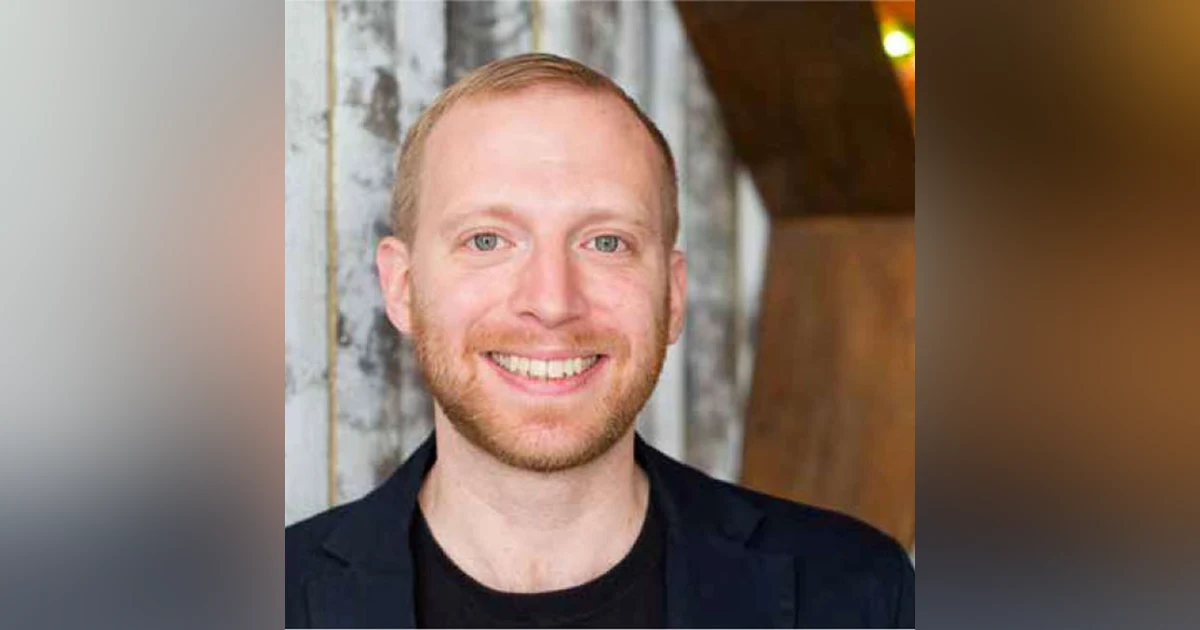
 Sometimes, the answers to our biggest challenges can be found in a pint glass. That is exactly what happened for Phrasee CEO Parry Malm, who came up with the idea for his AI driven marketing firm, while brainstorming with a friend, in the local pub. A self-described generalist, Parry is a great example of the modern tech. CEO; a creative self-starter who leveraged his wide range of experiences as a developer, marketer, and AI family history to identify and pursue a massive market gap. This episode explores Parry’s journey, provides a great example of AI being used for good and delves into what it takes to be the CEO of a tech. start up. It isn’t easy!
To discover more episodes or connect with us:
Hello and welcome to No Wrong Choices, a podcast about the adventures of life that explores the career journeys of successful and interesting people. I'm Larry Samuels, soon to be joined by the other fellows Tushar Saxena and Larry Shea. If you enjoy our show, please support us by clicking follow on your podcasting platform and by giving us a five-star rating. You can also learn more about us and Connect by visiting our website at NorongChoices.com or by following No Wrong Choices on Facebook, Instagram, and Twitter. This episode features the CEO of the AI-driven digital marketing company, Frazy, Perry Mom. Needless to say, AI is a topic that's on everybody's mind these days, so we should learn a ton from this conversation. Touchar, why don't you lead us in?
Tushar SaxenaOkay, so we have an opportunity to speak to a guy who's basically on the cutting edge of this technology. And the God's honest truth is, I don't know what that technology is. So it would be interesting for me to talk to this kid, to talk to Parry and figure out, you know, what he does. Now, obviously, when we all hear AI, immediately our minds jump to like Terminator and like, you know, that this man is essentially going to help end humankind. Now, obviously, this is not going to be the case. However, it could be pretty interesting to figure out, you know, as we talk about this notion of machine learning and what is generative AI and what what we are in so many, in so many terms of this new era of tech that we're in, this is one of the guys who's pioneering that. So I think it's gonna be very, very interesting to hear from someone like Perry to explain what not only his company is and what the technology is, but what he does for a living.
Larry SheaYeah, and he's a CEO, right? I mean, how often do we get a chance to pick the brain of a CEO? So I'm excited to do that. This is a guy who's who's running a tech company, um, and and it's a cutting-edge tech company, and he's also an extremely smart businessman who built a business. And so I'm curious to know how we got from point A to point B. Was this a dream your whole life? Was this a cocktail napkin dream? What are we talking about here? And how do you bring that to fruition? We rarely get a chance to pick the brain of somebody who's at the top level of a company.
Larry SamuelsI'm excited to do that. Absolutely, I agree. And you know, as a former marketing guy and as somebody who's uh run a tech company, I can't wait to hear his story. So, with that, here is Perry Malm. Now joining No Wrong Choices is the self-described digital anarchist and CEO of the AI-driven digital marketing company Frazy, Perry Malm. Perry, thank you so much for joining us.
SPEAKER_03Hey, thanks for having me.
Larry SamuelsTo get this conversation started, um, just a little bit of background on us. You know, we're uh a show that's all about career journeys, we're not necessarily a business show, we're not um a tech show. So in layman's terms, can you please sort of describe who Perry Malm is and a little bit about what you're doing today?
SPEAKER_03Yeah, my name's Perry Malm. Um I'm based in the UK, but I grew up in Canada. So if I if I start saying UK swear words but with a Canadian accent, that'll explain a lot.
Larry SamuelsUm poser.
SPEAKER_03Um and yeah, I'm the I'm the the CEO and and and the founder of Frazy, um, which is like the the OG of generative AI platforms. We were doing generative AI before the majority of the world could even spell AI. Um so um these days I'm just kind of uh doing my thing, watching the world go crazy and sitting back going, yep, I always knew this was gonna happen. Um and super excited that it's happening now and that we're right in the mix.
Larry SamuelsVery cool. And just because we're all gonna pretend that we're at a fourth grade level, generative AI. Can you just give us a quick uh definition of that?
SPEAKER_03Yeah, so basically it's AI that can generate stuff. Like generally, you can think about AI in effectively two different forms, right? One is one which which predicts stuff, right? Where you give it a bunch of data um and using a bunch of fancy math and statistics, it can say with the inputs of X, we predict the likely outcome is Y. Um, and that's quite widespread, um, and it's well understood. It's often referred to as machine learning or deep learning. And what has become very popular um in the last few quarters, um, which we've been working on for eight and a half years now, is called generative AI. And this is where, given a number of inputs, it can then generate something completely new and completely novel, be it um text, imagery, music, video, um, and and I'm sure more things which which uh which which scientists haven't even thought of yet.
Larry SheaPerfect. And I think that's that's kind of the thing about it, right? Is we're in such a discovery phase, but you've been there for years, and now here we all are. We're gonna get into the nuts and bolts of AI and what you're doing as a company and and where you've landed. But this is a career journey show, so I want to take you all the way back to the beginning. I want to take you to as far back as you want to go, to when uh this dream became part of your life, to when this was something that you may have been interested even even as far back as grammar school or growing up as a child, or did it hit you later? Take us back to however far back you want to go to tell this story properly.
SPEAKER_03Well, I mean, um if I think back to the dark and stormy night, um my my uh mother was a a language teacher, and my father uh invented an AI product in the 90s, which wasn't called AI back then. Um so I guess maybe I was kind of born into it to to create a company that that used advanced technology to do cool stuff with language. Um and then actually weirdly, um my first semester in university, this is um in the late 90s, my my useful good looks belie my experience, I find.
Larry SamuelsUm we tell ourselves.
SPEAKER_03Exactly. Like some of the first courses I took in my very first term was um one was in uh linguistics and another was in computer science. So I guess somewhere uh between the confluence of my left brain and right brain, I always believed that there is a connection there to be made, but no one had really made it. Um fast forward to about 2006, and I I decided, you know, I had finished university, I was uh the least mature, mature student you ever met, basically. So I like all of them, right? Exactly. I took some courses, then I dropped out, worked for a while, went back, graduated, and I found out by virtue of my grandmother having been English, I could move to the UK on what they call a UK ancestry visa, which means you can move here and do anything you want except collect welfare. And I'm like, well, okay, I hopefully I'm not gonna need to. So I so I moved here with with like a thousand bucks to my name. Didn't know one, don't didn't know a soul, um, didn't have any plans. Um one thing led to another, and I got a job and another job, and I just found everywhere I went, people were applying scientific rigor to everything which they did in business except for the actual language. And I thought, well, that's kind of that's crazy because like language is the currency of the internet. Like you can't go on to a website and and buy something unless you're interacting with some form of language, be it audio, video, um, or text. Yeah, so that's when the light bulb moment went off. I was living in Amsterdam at the time. I'm I'm I'm a bit of a transient, I suppose. Um, and and I was running a brand side marketing team, and I was basically testing out a whole bunch of messages to send out to our audience and found that some work sometimes, some didn't work sometimes. And I tried to figure out this rule set that would say if you do A, B, and C, then you will make more money. And I couldn't. That was the light bulb moment. Um it took me a few years to get the courage to actually um quit my job and do it and have the life circumstances which which um afforded me the the level of risk proneness which it took to start a company. Um and since then, this is in 2015, kind of just been off to the races, living the dream, you know.
Tushar SaxenaHave you found that you're that being abroad, you know, being uh being kind of on your own and having to having to basically you know fend for yourself, has it made you a sharper business person? Has it has it allowed your creativity to really come to the forefront?
SPEAKER_03Yeah, you know, fortunately when you move somewhere and you're not part of the um existing social constructs, you're inherently an an outsider. Um and sure, you know, I I moved to London and I wasn't an outsider in terms of of language, and I'm Caucasian, so I wasn't an outsider based upon ethnicity or anything, but I wasn't part of of the sort of shared experience of growing up in a given place. So it meant that I I I wound up having to learn a lot very quickly to adapt how I thought about stuff to exist in a in a society that is ostensibly quite different from from from what I was used to. And then also, like, I mean, ultimately, I I didn't have the preconceived notions about how a career starting out in London was supposed to work. I had nothing to lose. Um I I I personally think you know, whoever has the has the courage and the gumption to to move somewhere where they know no one, I I mean, you you gotta give them a shot, you know, and and and there's there's been a lot of talk throughout the world about migration and its ill effects, and I think that that's really stupid. Like people should actually focus on what are the characteristics of somebody who will uproot anything to go somewhere where they don't know anyone and they don't have any money, but they got the self-belief to actually do something with it.
Larry SamuelsWell, Perry, talk to us about that leap. You know, you you had the idea, you had the vision, you decided to put yourself out there. Like sort of what what put you over the top and and what first steps did you take?
SPEAKER_03Well, if I'm perfectly honest, I um this is about 20, what would it have been, 2012 or 2013? I was um in a marriage that unfortunately failed. Um so I was kind of like bummed out about it and stuff. Um and so I I sort of went through, you know, a bit of a down patch. I quit my job and I just kind of like wasn't quite sure what to do. And it was really that sort of moment from the bottom of bottoms where I thought like I got nothing to lose. So if I'm gonna take this idea that I've had for a long time and actually sort of turn it into something, now is the time. Um, because if I don't do it now, you know, I was in my mid-30s, I was like, if I don't do it now, then when am I gonna do it? Um so really, I mean it's a it's a it's a Phoenix from the ashes kind of thing where um there's some people who have a clear plan from day one um and they execute on that plan, and then there's some of us who have no plan, but when the chips are down, we find a way.
Larry SamuelsSo when you had the vision and and it was time to get moving, you know, what do you do? I mean, do you write a business plan? Do you look for investors? Do you look for partners? What what's that first step?
SPEAKER_03Yeah, so my first step was to go to the pub.
Larry SamuelsIt's true, actually. Of course, absolutely true. You're my kind of founder.
SPEAKER_03But but there's a method to the madness. A guy that I studied computer science with about 20 years previously um in Canada had moved to the to the UK because his wife was had a job there for a short period. Um, and he was in town, so I reached out to him and I'm like, hey, do you want to go for a beer? And we went for a beer and we just got chatting about stuff. I hadn't seen the guy in geez, probably 10 years at that point. Um and and so, you know, I was telling him about like my stuff, about you know, I had this concept, but I wasn't sure what to do with it. And he was saying about how since I had seen him last, he had moved to Australia and he had um finished his PhD in AI and data mining. Um, and that um that that he wondered, uh, given that I had a clear vision of of the problem statement, if we should think about collaborating and apply some of his skills in AI to this problem set. Um and then after about six pints, um, we decided it was a good idea.
Larry SheaSo what was the problem statement? Give us that, because I think there's clarification that can be lent to what was the problem and how did you decide to solve it?
SPEAKER_03100%. And I think you know, um there's a lot of hammers out there, but not enough nails, um, especially in the tech market. Um so my my problem statement was very clear. From my own personal experience and from people who I had spoken to throughout the years, um, people were not people relied solely upon gut feeling to decide what language to use in their marketing campaigns. Um, and the problem with gut feeling is that it is wrought with our own bias and our own heuristics and our own belief systems. And if you're advertising or marketing to a large audience, you can't project your own belief system on that audience because not everybody is like you. So I was convinced that there is a way to apply uh a high level of scientific rigor to understand the language that makes people tick um and to use that in a commercial environment. I just didn't know how to actually build it. Um but fortunately, through reconnecting with my old buddy and both of us rolling our sleeves up um and and getting busy with a number of different iterations, we were able to build something really special.
Tushar SaxenaSo your company now, um have you essentially kind of cut through what what I guess in what you're saying is kind of like the BS of marketing, which is, as you say, so much so much of it seems to be people saying it's built on feel. Obviously, that's not the case. It's obviously built on science, which you've put in through, which you've which you've now focused your career on. So how much are you saying at this point is your company looks at um or or shall I say, how much have you focused now to say the engine that we have built is now a standard by which all others can take to market?
SPEAKER_03So uh I think if you asked me that question 12 months ago, my answer would have been quite different. Um but in the last in the last 12 months, uh the public awareness of AI and particularly generative AI has become very, very strong. Um so 12 months ago, and for our first seven years of existence, our our challenge was about educating people that there was a better way to do stuff. Um and and we achieved significant scale in doing that. Um, but it's it's hard to convince someone if there's you know a million different options and we're one of a million voices talking. Whereas now um there's so much interest and such a wave um of interest in generative AI, suddenly people get it. Um and it's hugely exciting. You know, what what I find quite validating is I uh I I had this original vision like in in 2015 when we first started. Um, and I I was probably quite early with it, maybe even too early. Um, but now we're right in the right place at the right time, and it's it's super exciting to be surfing this wave.
Larry SamuelsSo, Perry, um, you know, when you open up your doors and and you you start the process of building out your team, how do you do that? How do you establish a culture? How do you how do you start that process?
SPEAKER_03Hiring is super hard, and and it's something that you know I've made some extremely excellent hires throughout the years, and I've made some some ones that unfortunately didn't work out for various reasons. I think when you're super early, you gotta find people who who are mavericks and they and they're sort of risk prone and they don't mind just sort of trying a bunch of new stuff and hearing no a hundred times or or failing a hundred times and not really caring. Um and and and you'll get a lot of people who are perhaps attracted to the idealism of joining a startup, but unfortunately, idealism um doesn't help you eat. Um so it's really about finding people who have who have like clear sort of generalist skill sets who can do a bunch of stuff very well, but most importantly, they've got the right attitude. Um as things get bigger and bigger, you need to start hiring more and more specialists. And I'm sure you've had guests on the show who are much more experienced than than me, and I I I wouldn't want to comment on hiring specialists. It's it's just you know, I it's quite challenging. But in those early days, you know, you you you're you're never gonna you're never gonna hire the number one salesperson from the biggest company in in your sector. Um you need to find somebody who is who has transferable skills, who perhaps has been undervalued or overlooked um in their in their um previous careers, and then you can hop on them and gain a huge amount of value from them, and they gain a huge value of amount of value from from you back.
Larry SheaSo I wanna I want to talk about this more because you know you're talking about surrounding yourself with certain people who can help you deliver your dream, but it's such a leap, right, from going from idea, you have this amazing idea in the pub that you're sharing with with somebody, to founding a company to then surrounding yourself with the right people to get that job done. I want to talk about because you sound like an idea person to me, right? You you sound like the person who had this vision that they wanted to execute. And there's a real set of circumstances that takes you from that napkin point of view, you know, at the pub, to here it is, I'm starting a company. How much of a learning curve was that for you? Was it obviously a leap of faith, leaving the comfort of a job that was probably paying you well to jump in and start this and found this and start building that dream? Talk to me about that learning curve for you as a as a business person.
SPEAKER_03Yeah, I mean, uh, I had studied a bunch of this stuff um in in school, but this is like a decade before when I first started Frazy. I mean, I didn't know I didn't really know what fundraising was aside from what I I had read on on the internet. Like I didn't know a lot of the just the basics. I didn't know how to pay an invoice, right? And it sounds really basic, but like a lot of what needs to be done, especially when you're just starting out, is like just doing your basic stuff, like going, how do I log into my bank and pay an invoice? Because there's nobody there to to to do it for you, right? Um so but but like the way that I'll describe myself is that I am a very skilled generalist, but an absolutely terrible specialist, right? And and people who like like I've met a lot of entrepreneurs um throughout the years, and the majority of the ones who I see really succeeding are people who are pretty good at lots of stuff, but not that good at any one thing. So if you're really good at one thing, you can get like a super good high-paying job being focused on that really good one thing. But if you're like me and you kind of get bored of doing the same thing like for more than a day or two, then like I mean, you're never gonna last working in a in a big corporate, like like running your your one part of the deal. And there's nothing wrong with that. I think there are a lot of people who build fantastic careers and lives doing that, but just with certain personality types who are either risk prone or whose attention spans, to be honest, are too short to do one thing for a long time. Um you gotta play to your strengths. Unfortunately, being a being an extremely good generalist is exactly the skill set needed to get a business off the ground.
Larry SheaMeaning that you found people who were going to do the the nuts and bolts work that you knew you couldn't do to a certain ability. Is that how you went about it?
SPEAKER_03Um in time, yeah. But like, I mean, in the early days, you know, I I like did like all the all the product vision, I did the sales, I did the marketing, I did a bunch of the the back end stuff. I mean You just got it done. You just need to muck in and do stuff. And it's just kind of like and it's not even a question of if you should do it or shouldn't do it. It's like if I don't do this, then the company probably won't succeed, therefore I should do this. And then as you expand and and you get some cash in in the bank and whatnot, you can bring on specialists. You know, I brought on a finance person, I brought on some salespeople, and I brought on, you know, all the various composite parts you would expect. In the early days, though, like there's there's no one except you, and you're sat there at two in the morning staring at the ceiling, going, Have I made a terrible mistake? And there's only two options. Option one is quit, and option two is that you'll never do option one.
Larry SheaRight. So for our listeners out there who are trying to get that dream off the ground, was it investors that got you, or was it just I have a little bit of money and I'm gonna make a little bit more and keep building from that? Did you just immediately go and look for investors, or was it not I don't want to say self built? Was it um from the garage, I'm gonna take it to the to the penthouse?
SPEAKER_03Um A little from column A and a little from column B. I mean, I didn't have any money and and I've never put a single dime of my own money in the business, um, which which is something I would recommend um because like yeah, like like it's money you put at at risk. And I think if you've got a bank account, you should be as risk averse to to that as possible. Um so I basically like early doors brought on investors, um, but not very much money. Like, like, and this is back in 2015 where the um the investment world in the UK particularly was much drier than than we've seen um through the last few years. So I brought on just enough that I would dilute my shareholding as little as possible, but just enough so I could keep the lights on. And then we just did things the old-fashioned way. And I know this is crazy from a technology standpoint, but we um found customers who would pay us money for our product, and that money would then our growth. And I know this is wild, and I hope you're you're sitting, I can't see you, but I assume you're sitting down. Yeah, I know it's crazy, but I mean it's crazy like a fox, I guess. I don't know.
Larry SamuelsThat's it's funny. I I ran a technology company for about four years, and the the founder, similar to you, went when we would, you know, eventually went through the process of selling the company, and everyone looked at us like you've never taken on any debt? Nope, no financing, nope, no uh investors, nope. And the CEO's comment always was, I have a beautiful wife, I had to keep her happy, I had to make money. What else was I gonna do? It was very, very funny. So so pretty similar.
SPEAKER_03Classic.
Larry SamuelsWas there a a particular moment, you know, as you were going through your journey where um you you began to realize you were going to make it? Like, like was there an inflection point that stands out to you?
SPEAKER_03Oh man, I still don't know if I've made it yet. Um if I if I ever get to that point, then I think um I'll have done something horribly wrong. Like if if I uh I'm I'm like my um parents were just out from Canada visiting. I've gotten like since I started Frazy, I've gotten married again. Um and and this is a much uh more sustainable one, let's put it that way. I've got I've got two small kids. My parents come to like visit me, but they're actually seeing the um grandkids, right? Um sounds like my in-laws. Yeah, right. And and and my um dad was going like, oh, you've achieved so much, we're so proud of you. And I'm like, I haven't achieved anything yet. Like, like I it's this really weird dichotomy where I think objectively, like if somebody looks at like like the the company that we've built um and and the achievements in a vacuum, I guess from one standpoint it could be like, oh wow, that's very impressive. But me personally, I I just don't I don't feel it. I mean I've got pride in what's been built, but I don't sit there with with my feet up looking out from my yacht on my private island and be like, I've made it. And I think like it's that it's that hunger of like being broke and having no other options but to make it work, which which stops you from just sort of sitting back and resting. And if I ever s sit back and rest, then like send me right to the cemetery because I'm done at that point.
Tushar SaxenaAlright, so is there a biggest challenge in front of you at this point to move the company forward, or is it just a constant, let's say, deluge of little challenges that you're constantly trying to get over on a day-by-day basis?
SPEAKER_03Oh boy, that's a that's a tough one. I mean, I think it's column A and column B, where there's always like little micro decisions that need to be made, but then there's the sort of broader choices about, you know, what like um we um went through a uh a private equity transaction about a year ago or something, and and my role is slightly changed, where now I've got this fiduciary responsibility to maximize shareholder value rather than just being the punk rocker trying to trying to get a new gig type thing. Um so in in doing that, there's sort of two things. You know, there's lots of small day-to-day choices which which need to be made. Um but then at the same time, there's this broader sort of directionality and vision piece, which needs to be set also. So ultimately, it's kind of a balancing act of of those two things. One area that I'm trying to get better at is I'm trying to learn how to sort of um hand off more of the smaller things and sort of um give myself a bit of a cognitive break from from focusing on lots and lots of stuff sort of 24-7 across the last eight years. So it can be quite um exhausting at times. But you know, um it's it's the journey and the destination. I'll probably get there at some point.
Tushar SaxenaSo you do consider yourself at times always on the job, you're always working.
SPEAKER_03Yeah, there's only been two weeks in the last eight and a half years where I've properly switched off, and that's that's because in like I think it was like 2017, maybe my um wife and I had uh expiring like airline points vouchers, and we we left it till the last minute, and the only place we could go, this is at Christmas time, was to China. And I'm like, that's cool, like China's a fascinating place. And so we went there um and landed, and none of our apps, like I think it was like like Outlook and Gmail and all those things, none of them worked. So I literally could not log into work for for two weeks. It was so they did you a favor. It was blissful.
Larry SheaYou know, I'm just listening to you talk. It feels like you've you've really gone through a lot of obstacles with ease. And I just can't help but think about the people out there who have a dream and are trying to get a company off the ground, and maybe they certainly don't sound like they're going through it with ease. So, what would be the best piece of advice you could give to somebody who has a dream, a unique idea, wants to build something like you've built and needs some direction? What where do they start and what's what steps should they go through?
SPEAKER_03Well, rule number one is if you're on a radio show, always make it sound easier than it actually was. No, look, I mean, one one big thing, and and this probably doesn't answer the question directly, but like one big thing is to find outlets. Because like like the um the um old saying, you know, heavy is the head that wears the crown, um, is quite accurate. Like nobody really understands the the pressure that the CEO faces. I mean, your your investors don't, your employees don't, your co-founders don't, um, your your friends and family don't. Like it really is a sort of unique experience, a unique pressure point. Um, and and like one thing that I wish I had done earlier um is find people who who I could just sort of not necessarily confide in, but who I could just kind of hang out with and talk to about some of the pressures I was facing without this sort of um this sort of um involvement. So so I've sort of like got like like a like a small but quite solid group of friends who I can just sort of talk to about this stuff and they don't necessarily get it, but they just kind of go like, oh yeah, that sucks. And and that it's super helpful. So like like it it might not it might not answer the question directly, but I think it's just like it's it's very easy to get down and to feel like the world's against you and that everything is going wrong. And you can pick yourself up a lot of the time, but you gotta have people in your life who can pick you up when sometimes you don't have the energy to.
Larry SamuelsI I can absolutely identify with that. So many times in my business career I was stuck. I went out with a friend and had a few beers and just vented, they didn't know what I was talking about, but somehow um we came to a conclusion, a conclusion. So I completely get that. Um, you know, Perry, as as we think about your journey, um, when you went to the entered the tech space, you know, towards the the late 90s when the dot-com bubble was approaching. Now we're we're in the you know the AI phase. So you you've really been through so much over the course of the past, you know, 20 plus years. When you you know look at a young person who's you know entering the tech space today, um, you know, is this uh a field of opportunity? Is it a field of fear? Um, you know, what what is a college senior entering in in today's world?
SPEAKER_03Well uh yeah, that's a that's a really interesting question. And it's not one that I've really considered previously. But if I think about, you know, when I was studying computer science back in the day, it was a a time of plenty um where the um like nerds weren't cool back then. We were the weird guys like like like in the labs playing with like motherboards and Unix and stuff, right? Um and and it didn't quite have the sort of mystique and I hesitate to say glamour, but the but the the idealism that comes with um with tech startups these days. Um so you sort of really needed to be to have a strong conviction that that technology was the way forward. And I've I sort of always believed this. But these days, you know, everybody wants to be in a startup, it seems. They all go, oh, let's let's let's go into tech. Oh, I've got a startup. I mean, you can't throw a stone down the streets of London, New York, or San Francisco without hitting a tech startup person. And and from my standpoint, you know, the actual like mechanics of the technology will change. And we're all like like there's a lot of people. I mean, if you're on Twitter or LinkedIn these days, then there's like all these like um AI bros who like six months ago were Bitcoin bros, and six months before that were metaverse bros, but now they're all AI experts in the last like six months, which is wild, right? They're all saying it's gonna change everything forever, blah, blah, blah. The number one thing I think that I would recommend to anybody starting a business of any kind, really, is like um it's a it's an old, I think it was an Einstein quote. Some say it was Einstein, some say it was Edison, some say it was none of the above. I have no idea. But it's if I had an hour to solve a problem, I'd spend 55 minutes thinking about the problem and five minutes worrying about the solution. And really, the actual technology itself is not the hard part. It's understanding the problem better than anybody else in the world. That's the hard part.
Larry SamuelsThat's really interesting. And also understanding the team, the culture, the personalities, and and you know, and also the the art of communication. That there's so much uh that I think gets lost sometimes about you know, as it pertains to how important that is. So, Perry, you know, with that, um, you know, this has been, you know, an incredibly, you know, uh helpful conversation for us. Great discussion. Um, anything, any parting words you'd like to leave us with?
SPEAKER_03Oh boy, now I'm on the spot. I need to think of something super profound.
Larry SamuelsWisdom. We need some nuggets. Final nuggets.
SPEAKER_03Super wise and wisdom. I mean my my favorite sort of saying, um, which I say to my team a lot of the time, right, is never let the truth get in the way of a good story. So I don't mean you should go and lie about stuff. I'm absolutely not saying that. But especially when you when you need to stand out in the crowd, when you may need to make something out of nothing, when when the chips are down and you need and and you need to absolutely bring it, the story is what matters first. Um so never let the truth get in the way of a good story.
Larry SamuelsGreat, great, great way to close out. Perry, thank you so much for joining us today.
SPEAKER_03All right, thanks a lot, fellas.
Larry SamuelsSo that was Perry Mom. What a what a great conversation. You don't get uh access to tech CEOs all that often. And it was, you know, to me very interesting to hear about the responsibilities and the depth of responsibilities of someone in that role and how quite literally you are never off. You can't be off. If you're in that seat, you are working and you are working forever. And you need to find a way to to create outlets. Just what what what an what what an interesting perspective.
Tushar SaxenaYou know what worries me about having a job like that is the is what he said, like what he says about this notion of challenges. You know, what are your when you ask a question like, well, what's your biggest challenge? Well, I don't really have a big challenge. I have big challenges and then I have little challenges, and little challenges on top of little challenges. So that is what really would worry me about being a CEO or being someone who ran who someone who would want to run a company, which is probably why I don't ever want to run a company, because this notion of never having the opportunity to enjoy things, because that's what it really seems like sometimes, right? You don't get to enjoy anything. You're always worried about the next problem coming down the line. And whether it's and whether that problem comes an hour from now or a week from now, it's coming. Either way, that's the real that seems to be the real challenge of being a CEO. It's not really so much that you know you enjoy the money at the end of the day, you're always dealing with another problem that's coming down the line. Yeah, heavy is the head that wears the crown, is I think the way it's a problem.
Larry SheaYeah, so much, right? Um, yeah, I love I love so many things about this interview. Um, I love that he found a problem and sought a solution and built a company around it. I mean, I think there's a lot to be said about that kind of a thing. And I also think, you know, we talk about this with entrepreneurs all the time, um, and specifically tech like this. It takes real courage to leave a job where you're making really good money to start building on a dream. I mean, I've always had that fear in my life of like, I need the comfort. There's something comforting to me about a paycheck that I know that's coming every week, you know. And when you when you leave that comfort to pursue a dream like this in 2015, and the first thing you do is go to the pub and have a drink with your buddy. I mean, I have a lot of respect for that. So he built this from nothing. It's impressive and um fascinating conversation for sure.
Larry SamuelsYeah, I I think you you really hit on uh on a key point, which is the stepping out into the unknown and stepping into the darkness. You you truly don't know exactly how things are going to unfold, what's going to come your way, and whether or not you're gonna make it. Um it is a a very fearful or or frightening place to be for sure.
Tushar SaxenaAnd we know we talk about courage a lot on this show. There's notion of courage a great deal on this show. Um, you know, whether it's you know courage to go to that new job, as yeah, you know, Shayu said a second ago, leaving a very comfortable life and then, you know, comfortable paycheck and go into that next career. But he did he did both, right? Not only did he leave a comfortable career and then take that next step, but he left a comfortable situation in his life. And not being married, I mean, he went to another country, right? He went to an absolutely different culture. You know, obviously he spoke the language, but he went to a different culture, he didn't totally fit in. He and then he essentially made sure that he got by on his own wits. That takes a lot of courage to do that. You know, it's not easy to do, not everyone can do it, and not everyone is successful, even no matter how much you put your nose to the grindstone, not everyone can do it.
Larry SheaAnd then when you do it and you're talking about it years later on No Wrong Choices, make it sound really, really easy.
Larry SamuelsThat that is a perfect out. So with that, Harry Mom, thank you so much for joining this episode of No Wrong Choices. We also thank you for joining us. If you enjoyed the show, please tell your friends, click follow on your podcasting platform, and give us a five-star rating. Also, if this episode or others inspired you to think of someone interesting in your life who could be a great guest on the show, please send us a note via the contact form on NoWrongChoices.com. On behalf of Tushar Saxena and Larry Shea, I'm Larry Samuels. Thank you again for joining us. And remember, there are no wrong choices on the road to success. We learn from every experience.