Winning Drive with NFL Network Anchor Mike Yam

 Apple Podcasts
 Spotify
 Castro
 RSS Feed
 Youtube Music
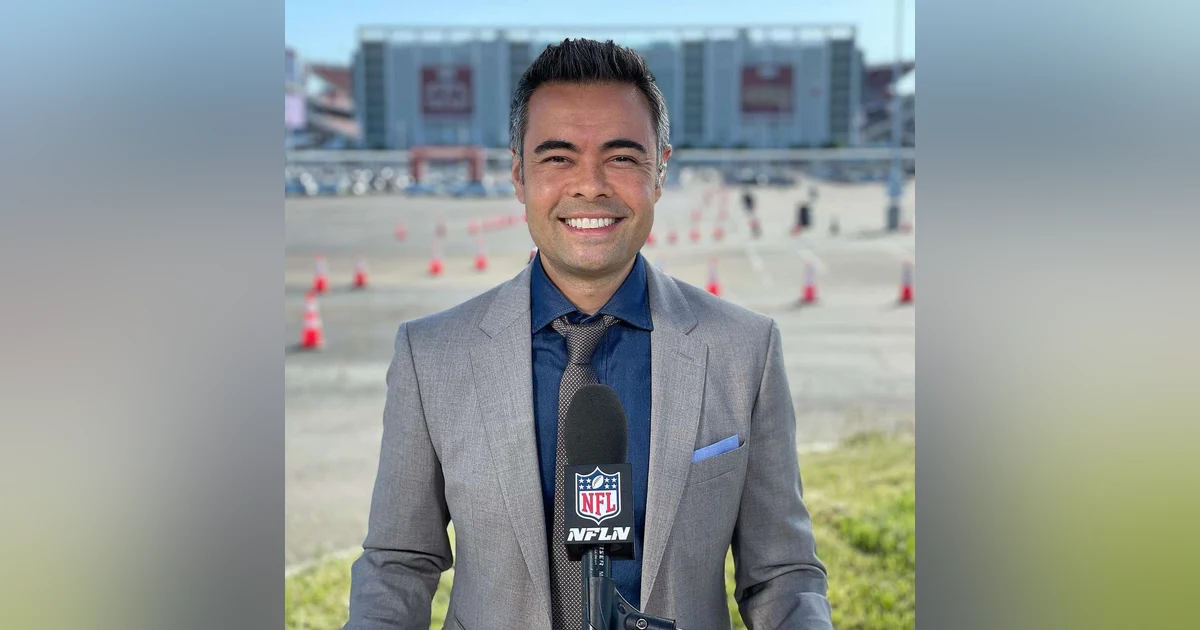
 Mike Yam has been a national broadcaster since the age of 21. Now a veteran with two decades under his belt, Mike shares what it took to break in, the importance of practice, an inside look at the workings of ESPN and great “start-up” stories from his time with SiriusXM and the Pac 12 Networks. Mike also reminisces about being one of “The Fellas”; a retired SiriusXM show that was an inspiration for No Wrong Choices.
To discover more episodes or connect with us:
- website: https://www.nowrongchoices.com/
- YouTube: https://www.youtube.com/@nowrongchoices
- Facebook: https://www.facebook.com/profile.php?id=100086704773105
- LinkedIn: https://www.linkedin.com/company/no-wrong-choices-podcast/
- Instagram: https://www.instagram.com/thefellasnwc/
Hello and welcome to No Wrong Choices. Along with Larry Shea and Touchar Saxena, I am Larry Samuels. This is a podcast about the adventures of life, where each episode we'll talk to a dreamer or a person who had an idea or a vision, chased it, and got there or got pretty darn close. This time out we're talking to one of ours, a former fella, Mike Yam, who is currently an anchor for the NFL Network. We had the opportunity to work with Mike towards the beginning of his career at Sirius many years ago, and I think it's fair to say that no one is surprised at all by where he is today. Tushar, you you've known Mike the longest, so I don't think there's anybody better to set up this conversation than you. I appreciate that, Sam.
Tushar SaxenaLook, uh I yes, I've known Mike a little bit longer than you guys, and the one thing that's always impressed me about Mike uh is his focus. Um, you know, we're all older than Mike, but the one thing that always like I mean surprised me, really, really surprised me about Mike Yam was his singular focus and his drive to be successful. That's what really that's what really, really struck me as a young broadcaster. Very few guys who come into a situation like he did, A, have a real handle on what they want to do as a young broadcaster, but B, you know, not only not only did he know where he what he wanted to do, he knew where he wanted to go. And he really, really moved in that direction. There are very few guys who have that, who have that plan set forward and move and move towards it in such a singular, in such a singularly focused fashion. Mike did that. It's so impressive. I gotta tell you, I you know, Mike Yam is one of the most impressive people I've known in a long time. I am so proud to call him my friend, and I'm even prouder to say that I had a little bit of a I had a little bit of a a little bit of a uh I'm a little bit responsible for Mike Yam's success. Not much, but just a little bit.
Larry SheaI think his parents had a little more, actually, but you know, that's just me. Please. What did his parents do?
SPEAKER_04They didn't get him into broadcasting.
Larry SheaI was with that guy. You know, we we do talk a lot about the different paths to success on this on this program. And I think it's important to note when you listen to this interview that Mike knew where he wanted to go, in this case, Fordham University, had a plan, had a path, worked his tail off to get from point A to point B. And as you said, T, the focus and the drive and the determination, and knew exactly what he wanted. I mean, sometimes we bumble through life, you know, looking for our career, our dream, our success, and you fall into it, you know, and it happens. I mean, I never knew I'd be in radio someday, you know, or podcasting for that matter, you know. Who knew? But Mike had that singular driven focus, as you said, and I think it was really instrumental in him setting a path, showing a lot of discipline, and getting where he needed to go. And it is super impressive.
Tushar SaxenaYou know, and I've I've often told Mike that, you know, I you know, I've, or shall I say, I've often joked with Mike that, you know, he should be prepared to take care of me when I get old, because I've had a I've had, I'm somewhat responsible for Mike being the broadcaster he is today.
SPEAKER_04And because of this, I demand, I demand he take care of me in my old age. I don't have many demands, but I demand super rich and famous.
Tushar SaxenaHe's gonna be super rich and famous. How about a how about a little bit of a little bit of something for the for those who helped out along the way?
Larry SamuelsJust a little bit. I imagine this is gonna be some sort of a negotiation that begins with the words What does somewhat responsible actually mean? So anyway, with that, we'll let Mike tell his own story. Here is Mike Yam. Now joining No Wrong Choices is an alumnus of our old serious show, The Fellas, who undoubtedly leveraged everything he learned from being on the air with us to achieve stardom. Or not. I'm of course referring to Venture TV personality and NFL network anchor, Mike Yam. Mike, thank you so much for joining us today.
SPEAKER_00Oh, the flashback. I'm having the memories. I'm thinking about all the good times. Let's roll, man. It's always good to be with you, and it's always good to hear your guys' voices.
Tushar SaxenaI'm sure it's like the Vietnam flashback, Mike. All right, very well to be. I mean, before we begin, obviously I've known you probably a little bit longer than both uh than both Larry Sam and Larry Shea. You're a Fordham alumnus, much like myself, and I got to know you uh when you started over at Sirius doing updates, and I had the I have the real pleasure of mentoring you just a little bit, you know, saying, hey, a little tweak here and there, get to know you a little bit more. I think I told you once when I heard your tape for the very first time, I said, Mike, this is one of the best tapes I've ever heard. And I knew when I heard first heard that, first heard your audition tape many, many years ago that Mike Yam was destined for big things. Mike, when you first started out on the journey, I mean, I I've never really asked you this question before. Mike, when you started out on the journey, did you know that this was going to be the ultimate goal for you? I want to know a little bit more about the story of Mike Yam and how he got to where he is now.
SPEAKER_00Gee, are you kidding me, man? I like I don't if you would have said to me when we first met that this would be the path, I would have said you were crazy. I mean, because you guys know how it is, right? Like it's like this slow grind. It's I have I'm the worst when it comes to vision and trying to figure out what's actually possible because I'm so like in the weeds. And and Larry Sam, I know you've obviously had a ton of success on the business side of things. Like, you got to be strategic. And I don't feel like I've ever really been super strategic. It's always been, you know, how do I advance one day at a time? Just trying to uh, you know, the slow grind, so to speak. And, you know, fast forward, and I I think about it and and Larry, I mean, hell, you use the term stardom, which I don't think really applies to me at all. Um, but I do understand like how fortunate I am and how grateful I am for the opportunities that I've had, you know, over the last uh, and I'll mumble the amount of years because it's longer than I'd like to admit, but um, it's been awesome to be at NFL Network the last couple seasons now. And um, but no, I mean, too sure to be honest with you, dude. Like I you always want and you have these hopes and dreams that you'll get the opportunities to be on air. And, you know, luckily for me, man, like they they came sort of quickly for me. I don't even know if I was fully prepared to get some of the opportunities that I got early in my career. But you know, you just do the best that you can. You try not to mess up and and not make mistakes and hope you keep getting more reps.
Larry SamuelsYou know, my Mike, I find that comment interesting about, you know, not necessarily having a plan or things of that nature. And I reflect back on when you and I worked together, you know, every single day for a year and a half, whatever that stretch was. I I was 10 years older than you, and and of fortunately I still am. Um, and you know, I was sort of coming at radio from a very different place. I'd been working for a little while, I had had a little bit more experience. Um, but what really struck me about you is that you were as if you were 10 years older, meaning the way you handled yourself, you you were very focused, you were very professional, you were very driven, you were very organized. It really stood out to me that you were mature beyond your years from the very beginning. And I'm kind of curious, like when you came into the business world coming out of Fordham, coming out of WFUV, like what set you up and what put you into the mindset where at least you had that degree of professionalism coming in.
SPEAKER_00Well, I appreciate that, Larry. I you know, when we were at Fordham and Tshar, you would remember this too, because you were you had those same probably experiences. I think it was a little different for you, uh T than it was for me, because when I was in school, we had an executive producer who was a real adult, right? Who like ran the sports department. His name was Bob Aaron. That's true, that's very true. You know, and and T, when you were there, right, it was all student run at that point. It was all student run. Yeah. I I did you guys have credentials to the to the Yeah, uh we did for a couple of events, but for the majority, no. Okay. So like that was, you know, Larry, for for me, I think that was I don't want to say launching point, but I think I understood it. You know, you weren't when I was at school, we had credentials for the Mets, the Yankees, basically every team in the New York City area, you could go to any game that you wanted with a media credential. And I think the upperclassmen made sure that that was that we all knew as underclassmen, that's that's a privilege because not everyone had that opportunity to go. So it was dress code. How do you act when you're uh in the locker room in talking to players and trying to develop relationships with other people in the business? You it almost fast tracks you a little bit, Larry. Like it puts you on this path where you almost feel like you have to, you know, you don't want to let the seniors down, you don't want to, you know, take away the opportunities for other people. So it's almost like running scared, so to speak. Like you just don't want to mess up, you want to fit in as much as possible.
Larry SheaCould you have done this without the educational stuff? I mean, you know, there's a lot of different avenues to success, meaning, right? You know, you can turn the TV down and do play by play by yourself and you know, put yourself on camera and and do go that route. There's a lot of ways to do it. Fordham is obviously known for this type of professional uh training. Could you have done it without their guidance and their training?
SPEAKER_00You know, I've never thought about that, Larry. I've always, you know, I've thought about what would have happened if I went to another university and wouldn't have had those experiences. But, you know, when I was growing up, man, my my parents' education was so important. My mom now is a university president. Um, you know, my dad's actually from Hong Kong. And when he came over when he was 16, he didn't, he didn't know English. So I think from a very early age, it was hammered home that important, uh, the importance of an education and that aspect of my life. So um, you know, I haven't given much thought about, you know, a path that didn't include education, but you know, to your point, Larry, Fordham, and I I think it's changed since I was there, but I would tell you my education in terms of what I was doing came at WFUV that came at the radio station. I don't know if my classes, so to speak, prepared me for, you know, for actually doing the job. It's not like I had a bunch of television classes or a bunch of radio classes. Um, so I think there's, you know, you're kind of riding on that highway and you're probably in a little bit of a different lane. There's the lane, you know, where I ended up, which is, you know, a career in broadcast. But um, you know, not everyone does get the opportunities that I've been able to get. So, you know, you do think about what some of the the education would have would have been helpful for had I not found a career in this. But yeah, it's crazy, man. Larry, think about that. Like, think about all the dudes that we've talked to over the years that, you know, have a different path. Sure. I that just, you know, kind of fall into it and and maybe didn't go to school for it. They majored in, I don't know, economics or or pick another subject. Sure. You're right. There's no set path for this stuff.
Tushar SaxenaSo I guess that was gonna be my my that'll that follows right into my next question, which is what was the plan B? Because when I was at school, I certainly did not major in broadcasting or media. I majored in, I was going to be, I was a history major and a uh uh I was a history major and a pre-law minor. I was going to be a lawyer. And then one day went to WFUV. And, you know, 30 years later, I'm still in I'm still in the media business. So what was the what was your plan B?
SPEAKER_00Who you know, Mike Breen came. We we used to get all these broadcasters that would come back.
Tushar SaxenaAnd I think Mike Breen is Mike Breen's the Hall of Fame broadcaster, Fordham alum, etc. He's the longtime voice of the Knicks, also with uh what's it, uh, ESPN basketball?
SPEAKER_00Yeah, voice of the NBA on ESPN and and in a lot of ways the GOAT. Um, you know, and Larry, I'm thinking about your question, right, about you know the different paths. One thing that was really interesting about Fordham is we had a bunch of broadcasters that would come back. We'd have producers that would come back and you'd hear their story, and everyone had a different path. But, you know, Mike being the voice of the Knicks at the time when I was still in school, you know, his words just resonate a little differently, right? Than than other people that just kind of you gravitate towards whoever you gravitate towards. Like you just can't necessarily decide. But I remember hearing his story, and he was jumping around from some different radio jobs, and it took him a few years to catch on. And I remember him telling us this if you want to be on air, get on air. Uh, because if you fall down the producer path, sometimes it's hard to find the on-air opportunities. But he said he was struggling so much when he first graduated to find those opportunities that he gave himself, and I don't remember the time frame, what it whatever it was, a year, was it five? Okay, so yeah, five years. Damn, I mean, that's patience. Holy smokes. I don't, you know, I gave myself too sure. I gave myself a year. I said, hey, if I don't get some real meaningful opportunities, you know, I'm gonna, I'm gonna have to pivot here. And, you know, I always thought I would end up teaching. Um, you know, one of my favorite things before I got to NFL Network, I was at Pac-12 Network and would cover a lot of, you know, the the the 12 schools in our league, and you'd end up on those campuses. And I love talking to the students because I got so much out of that when I was still in school. So um, you know, and just to sort of let them know, like, hey, like there's no different, you know, there's different paths for everyone. There's no right way or wrong way to do it. But I gave myself a year to get on air. And I guess the way it cycled out, I'd gotten uh an opportunity at a small radio station in New Jersey, WGHT, to do uh Friday night updates for high school football. I stayed there for two weeks and I quit. And I quit because I ended up back at Fordham from Homecoming. And, you know, I think we can all remember our you know, that first you know, couple years out of graduation. You know, you're going back to school, homecoming. Are you kidding me?
Larry SamuelsI remember you loving, loving homecoming.
SPEAKER_00Loving it.
Larry SamuelsAre you kidding me? It was awesome.
SPEAKER_00Uh, I haven't been back in in a few years, but I was playing and and actually Larry Shea, I know you'll remember, and T you will, Larry Samuels. I don't know if you'll remember him, but Rich McLaughlin was Richie, absolutely. Yeah, another Fordham guy who's actually working now at WFUV, but check this out. We were in the parking lot. Um, and Larry Shea, you'll appreciate this. We're playing beer pong. And of course, like I mean, are you kidding me?
Larry SamuelsBut I think beer pong, I think Larry Shea. For sure.
SPEAKER_00So uh Rich turns to me and said, Hey man, what are you doing? So I told him, I said, Hey, I'm at the small radio station in New Jersey, WGHD. He said, Do me a favor, send me your tape, which was a DVD. So I sent him my DVD uh that Monday. And a couple days later, it must have gotten to the office, and Orlando Martinez, who was running the sports department at Sirius Radio before it was Sirius XM, you know, heard the tape and you know, Rich got me in touch with him. I come in for an interview. He says, Hey, I need you to do um updates on the fellas, the original version of the fellas. Too sure. I remember you. So uh Rich was hosting the show at that point, but he was also working in the music department. I end up just doing updates on the show. So I end up quitting the high school sports gig because it was falling on the same night as you guys taping. So I quit that, but it ended up being a good move because Orlando said, Hey, I need an update guy overnights five days a week. So all of a sudden I'm working like a bunch of days a week, and it's you know, it's late nights, but you're cutting your own highlights, you're tracking multiple games as they're going on, you're editing your life. How old are you at this point?
Tushar SaxenaUh, I was 21. So there. All right, that's perfect. That's a perfect gig for a 21-year-old. Oh, yeah, right out of school. You're learning, literally learning on the job. Oh, yeah, yeah.
SPEAKER_00And you know what's kind of fascinating, Larry. You you'll remember this, Larry Sam. You know, we used to have to track games. So I would have CBS Sports up because they would give you almost like I mean, but this is 2003, right? So they would give you real live data that was streaming with a game log that was updating and it was faster than the other sites. So I would be yelling to different board ops who were handling the games to say, hey, pause your CD for me and then restart it so that that I knew that the last track and I would track, like, hey, you know, so and so has got Nixon Nets, and you know, I'd run over to their station. All right, on track three is the you know, pick a player. Stefan Marbury was probably on that team at that point, you know, sure, his layup. So like you start editing this, and then as I got older, and I think back, Larry, we got pretty good at doing it, and I was crazy, yeah. And like other guys, like they were only tracking one game. We were tracking the entire slate. So I'm thinking to myself, man, these kids nowadays, they don't even know how hard it was back in my days.
Larry SamuelsFor context, Mike was doing Monday, Tuesday, Wednesday, Thursday, and Friday, and I was doing Saturday and Sunday, and I was telling Tushar the story before that I was doing Sunday night until 1:30, whatever it was in the morning, going home, sleeping for four hours, and then going to a job the next day. It was pretty rough, but it but we learned a lot doing that. Yeah, yeah.
SPEAKER_00So it was a great learning experience for sure. And as you guys know, I mean, how many opportunities we all got at Sirius Radio back in the day, just because there, you know, it was just it was a startup in in a lot of ways. It was a really well-funded startup, but there just wasn't, you know, there there were a ton of adults. Like all of a sudden you just started pitching ideas and they just said yes, go do it. And it was it was pretty cool.
Larry SamuelsYeah, I mean, that that was an incredible experience. And I just want to call out the fact that the fellas did have a positive impact upon Mike Yam's career, whether it's on his Wikipedia page or not. I just want to call that out of the way.
Tushar SaxenaAnd the college preview show, which we just did at the seat of our pants, which ended up being a good show. None of these programs seem to be on the Wikipedia page. Mike and Murray, totally there. You guys act like I do the the with the wiki thing.
Larry SamuelsI I just who do we have to call? You just do it. You can also, you know, we can put uh we are absolutely hijacking that thing later today.
Tushar SaxenaHave no doubt that is going to be a good one. Check it tomorrow, Mike. We are gonna take that over.
Larry SamuelsYeah, you better check it in a few days. It's going to become very funny. So, Mike, like looking at the Sirius experience, I try to move things you know forward from there a little bit. So talk about you know what you learned at Xper uh at Sirius, what doors that opened, and then where did you run from there? And I'm also curious, like when you were at Sirius, who were some of your bigger influences or influencers?
SPEAKER_00Yeah, we got so many opportunities. I I mean, for those who don't know, like Sirius XM and I know it hasn't changed from this perspective. You'd get all these people coming to the studios all the time. And you know, it was an opportunity for actors, musicians, athletes to go and talk to a bunch of radio shows all in one building. And you know, now there's Zooms and the whole thing, but you know, back then, you know, you'd do a lot of the stuff in person. So we used to get great athletes that would stop by. Um, you know, the guys over at NFL Radio, the former analyst, they would stop by in our studio. I mean, there was Maxim Radio. Like we just became friends with a lot of the different channels and the hosts that were on those channels. So I, you know, look, and I appreciate it, Larry. You know, you said I was mature. I mean, maybe I was a little bit like kind of an old soul at 21, 22, but you know, I think back to some of those opportunities that we we got. Oh my God, are you kidding me? Like, I hit the lotto at that point. You don't even realize it. Oh, it was crazy as people are sending tapes everywhere. You know, now I I talk to students and you know, they're sending their tapes to godly know well, they're sending email links, so it it is definitely more cost effective than putting stuff in the mail like we used to have to do. But you know, it's just a sheer volume. Um, look, it it was it was tremendous. The impact there in terms of reps, like I do think back to various stages in my life where all of a sudden you go a couple years of a ridiculous amount of reps, and then the growth that happens that you don't even notice. And I'll give you an example. So, Sirius Radio, they hire me. All of a sudden, I'm hosting a bunch of radio shows, you know, a couple days a week. I mean, Larry, you and I were working together at T. We were working together, Larry Shea, you're on the fellows with us. I mean, it is it's it's like daily. So it's like, how many hours on air of live programming are you responsible for? And all of a sudden, like that adds up over time. And then I get an opportunity. I'm working on NBA radio and and on 123, which is now Mad Dog Radio, but it was, you know, serious sports action was the name of the channel. So I'm doing six hours of radio every single day during the basketball season. All of a sudden, the Olympics in Torino pop up. I'm working on NBA radio, NBA TV is based in Secaucus. They're only using outside of two full timers, they're using local sports anchors in New York. All those dudes go cover the Olympics. They have no one that understands fantasy that can do it. So all of a sudden, I get a phone call, I go in for the audition, I start hosting fantasy for them. So now all of a sudden I'm doing radio six hours a day, hopping in the car, I'm doing television at night, and it's like these phases of growth where all of a sudden I'm not reading prompter, right? Like I could do a radio show, cool, let's roll. But then there's shows where you're reading off a prompter. So I'm learning, I'm getting these skill sets. Then I get up to ESPN to do TV full time, and I remember unpacking my boxes when I moved. It was about a year after I had gotten up to ESPN. So I'm doing you know, three hours of live television five days a week. I put my real In the DVD goes into the DVD player. I watch a few minutes of it and I go, Oh my God, how the hell did I get this job? Because I am awful on this reel. These dudes hired me. You know, so it's it's over time, man. Like you don't even realize it. So I think the most valuable aspect of all this was just the reps. And now, you know, and I tell students this all the time, dude, there's podcasts. Are you kidding me? You get like free reps, like you have your own mic at home. You can interview guests. Like we all needed to go to the studio. We needed to have like actual jobs to go and do this stuff. So just incredibly grateful for those opportunities.
Larry SheaI love this. So let's put this in perspective a little bit. So you obviously get the proper education, you know, the training you needed in the beginning, and then the door opens at Sirius XM and it's really trial by fire. You're kind of thrown in and you get all those chops up, and then MBA TV and then ESPN. Were those jumps from Sirius XM at Sirius satellite radio at the time to MBA TV and ESPN? How did you get those jobs? Were those word of mouth? Were those people you knew, or did you apply for them? I mean, did you always want to be a sports center anchor? Was that the dream and you just had to pursue it that way, or was it people, people that you knew and people that you associated with?
SPEAKER_00Yeah, it's a great question, Larry, because I don't think I've ever gotten a job without knowing someone at that network. There you go. I might not know have known them well, but there was always, I mean, this community is so friggin' small, it is unbelievable to me. You know, I like I said, I'm playing Beer Pong at Homecoming in 2003, right? That year. And Rich McLaughlin, who happened to have the Mets credentials at FUV before me, we just became friendly. Rich gives, you know, my CD to Orlando Martinez at serious. I get that gig. All of a sudden, the Olympics in Torino pop up, MBA TV needs someone. I had gotten in touch with an agent who kind of got me in touch with someone over there. Next thing I know, I'm in for an audition, and I get that role. Um, ESPN, I at that point, you know, I'd been working at MBA TV for a few years, got, you know, an agent full-time. They got me in touch with ESPN. What's sort of fascinating is the person who hired me at ESPN was also at uh CSTV, which is now CBS College Sports, and her name is Lori Orlando. I was an intern my senior year in the marketing department at CSTV. So they had not launched yet. Their studios were at Chelsea Pierce. So I met her through that. We kept in touch. She was at MSG Networks for a while. I interviewed with her. I was about to get hired at MSG. And she said, Look, I would hire you right now. I just need you, it's a formality. I just need you to go and audition, uh, and then you'll get the gig. I couldn't, because of my MBA TV and my series commitments, it was pro it was a problem for me to schedule the audition. So it was taking a little bit longer. Next thing I know, Lori leaves. Then I don't have an audition. She goes to ESPM. Uh, there's about to be a hiring freeze in 2008. Bill Pito, who I think is still at MSG, Bill Pito gets laid off at ESPM. I get hired to take his spot. I audition up at ESPM. I get hired to take, and I don't mean his spot per se. I just mean, you know, they got like 50 anchors, right? Like, so there's room for one, one more. I get hired. They go on a hiring freeze at ESPN slash ABC for a year. I'm the new anchor for over a year. They don't hire anyone. Um, I spent four years at ESPN, plotted my exit for two, and then I get an opportunity. Kristen Brettis, uh, who was at CSTV slash CB, well, it was CBS at that point, she becomes the talent director at Pac-12 Network. My agent gets me in touch. She doesn't think I'll take the job. She told my agent, I'm not gonna audition Mike because he's at ESPN, he's not gonna leave. So my agent's like, no, no, no, no, he'll leave. And next thing I know, I'm on a flight, but I end up getting the Pac 12 job. I spend 10 years there and then get blown out uh when COVID hits my contract. They told me that I was gonna get renewed, but they gave me a non-renewal. So then I start freaking out. And then I end up at NFL Network and I end up there, Larry, because this is crazy. Once again, every single spot, it's someone that I knew. The guy who runs the talent department is a guy that I knew from ESPN. I never worked on one of his shows before, though. So we used to say hi in the hallway. He interviews me. He says, Hey, like, I think I might have something for you. A couple months go by, I don't hear anything. Right before my contract is about to expire, he reaches out to my agent and says, Hey, does Yam have anything? And she's like, No, not yet. He's like, Hey, he calls me and he's like, Hey, I just need to interview with a couple people. I think I have something for you. And uh, you know, things worked out, obviously. But my agent told me that he, Galen Gordon is the guy's name now, who's now at ABC. She said, Galen called a bunch of people out of ESPN to ask about you. I have, I still to this day don't know who he called to ask about me, but you know, it goes back to like relationships and people just don't be an ass, is really what it comes down to. It's like it all all this stuff, man. Larry, it matters. Never burn a bridge. Yeah, it's huge. It's huge.
Tushar SaxenaAll right, so Mike, uh, you've given us the entire story and killed probably a lot of our questions. I'm going to use my bad. That's what he's supposed to do. It's my bad. I'm going to, I want to go back to your time at ESPN because I'm because I remember this was uh because I had spoken to you a number of times while you were at while you were at ESPN news. You had you had mentioned that you were somewhat unhappy with how things were going. Now, obviously there's a notion of at any job you're at, is that you know you can get into a you can get into a uh let's say a level of complacency and a level of of let's just say you're you're you're happy with where you are. And I think there's a certain amount of per there's a certain amount of people who have a certain amount of drive in them as well, that they're never, they're never happy with the stop they're at. They're always seeing that next step. Was that the situation at ESPN? Or were you saying to yourself, hey, I'm at the flat, I'm at the I'm at the mothership, this is going to be the last stop for me? Or were you saying to yourself, you know what, I can see myself moving further down the line, and this is where this is what I'm going to do coming up, you know, when when the next contract comes up at ESPN, this is what I'm going to talk about. Or was it at say at some point you just said ESPN does not see me moving forward, and then now I've got to now I've got to think about what's what's the next step.
SPEAKER_00Yeah, and this is not a cop out, but it's a little bit of both. I think personally slash professionally, I don't think I was all that happy there. Um for those who might remember, like there was a a little bit of a mini exodus from ESPN. There was a bunch of on-air people that were getting opportunities at either regional networks or other 24-hour sports entities that were popping up and they were leaving. And I do think that's a function of yeah, it's a big place, it's hard to cut through. I was not good at the politics of it, and still to this day struggle on that side of things. So I I think personally it was tough. Um, when I had gotten hired, God, let me just think about this. I think I got I got a it was a four-year deal. But what was funky about it was it was a two and two, which basically meant my first two years were guaranteed, and then my last two was an option for the network. And I'll never forget this, guys. Um you know, to this day, it's still it it was not a good experience. It was right before a show. It was an afternoon show, late afternoon show that I was doing. I got called into a corner office, and this is probably three hours before I'm about to go on air. And this particular boss says to me, Hey, um, I know your contract's coming up. Uh, we got some good news and bad news. I'm like, uh, okay. So the good news is uh we're gonna keep you. Uh the bad news is we're not gonna extend your option. We're not gonna pick up the option, we're gonna rip up the last two years and we're gonna do it a one-in-one. I mean, I was devastated. You know, you leave that office and you're like, oh my God, dude, I've been working my ass off. I I can't work harder than what I'm doing. Like, this is the best that I got. Um, and I remember like my last two years there were tough because you're getting feedback from like 10 different people telling you 10 different ways to do it. And, you know, that's hard. That was hard for me. And I'll never forget uh Kevin Connors, who's who's still there at ESPN. He does Sports Center and a ton of baseball stuff. Uh, he was one of my best friends. They were still one of my best friends, but when I was living there, he was well, one of my best friends. And um I remember we went out for drinks one night, and I was, you know, kind of just venting and telling a man, like, I'm not in a good place. And he I'll never forget this. He said, Mike, you were good enough to get this job. Stop worrying about the feedback, just just do you. And I think at that moment things started to slow down for me because I I kind of just said, F it. Uh, I'm just gonna do what I think is right. And I stopped caring a little bit about all the feedback. You know, it's not like you can ignore what some of your bosses are saying. Obviously, you got to implement some of that stuff, but generally speaking, I just started to relax and just said, you know what? Screw it. If it doesn't work out and I'm not here, I'll find another gig somewhere else, hopefully, and I'll just do it a different way. So, you know, the opportunity obviously at Pac 12 came up, and I actually thought I was gonna audition with other ESPN folks the way the rumors were. It's kind of like high school, it's like a game of telephone. Uh, you know, it turns out no one from ESPN was auditioning, despite the fact what what people were telling other people in the building. Uh, and look, I ended up getting it, it was a no-brainer, and I'll never forget my agent at the time getting the Pac-12 networks. Yeah, yeah. Like that was it was it was such an awesome feeling. And just because you knew, like, you know, and to sure, getting back to your original question, you realized hey, mentally, I'm probably not in the best place for me. But at the same time, I also realized, like, guys, I got that gig. I was 20, 28. Um, I just turned 28. And you know, you're like, damn, I'm not leaving ESPN. I just got hired here. And then all of a sudden you spend a few years there and you start hearing, you see people leave. Um, and it it's it's a tough place to be, but my God, it is the best training ground. You are put in situations you'll never be put in at any other network. Uh, it was amazing for me. But then, you know, I realized like, damn, like I might never move up. Like, I might just be, we used to call it gen pop, like I might just be general population among the anchors. Um, that is true, by the way. We did call it gen pop. You get an orange jumpsuit, it's a whole thing. Yeah, yeah. Um, you know, and then I said, hey, like maybe I just need to go somewhere else and and try to move up that way. And then, you know, it kind of worked out with Pac-12 Network.
Larry SamuelsSo, you know, and that's I want to spend some time on that. So, you know, I had the opportunity to visit you out there several times because I would go there on business. And I remember visiting you at the Pac-12 Networks right after you started. And um, you gave me a tour, you walked me around, you were so excited and so fired up. Um, you know, talk to us uh about what it's like to have the opportunity to build something because I imagine there were some parallels between that and your experience at Sirius, whereas it was a clean slate and you were able to walk in there and have an impact, make an impression, and create something. Um, what was that experience like for you?
SPEAKER_00It was awesome. It was amazing. Uh, you know, just to be a part of something that felt big at the time, knowing that you were on the ground floor of it, you were wearing every hat imaginable. I remember being in in sales meetings.
Larry SamuelsI remember flying, you know, I'm from obviously I remember you talking to me about sales and asking all kinds of questions. I'm like, what the hell do you care? Yeah, yeah.
SPEAKER_00Like you I mean, we were gonna do a roadshow. We ended up doing it a few years later, but the the premise was getting like a bus. We're gonna have the bus wrapped. I remember being in a conference room talking to the bus company and then another company about wrapping the bus. Like you were doing everything, it was awesome. And you know, plus obviously getting to do the shows, which was great. And, you know, once again, I mean, talk about it's different in the sense of ESPN, right? Like you're gonna be in situations you've never been in at ESPN on air. Same kind of premise at Pac-12 at a startup network, but then also all the other things that that flow with it. And then you spend all those years there. Like you're I was like emotionally attached to that place. Like I still, I you know, I'm better now. They always say like time heals all wounds. Like, I'm better now, uh, you know, considering the ending there, but I'm not over it. Like, I don't I think you were there for how long?
Tushar SaxenaUh more than a decade, right?
SPEAKER_00No, a little less than a decade. So I would say uh it was like, you know, eight and a half, it was like nine seasons, eight and a half years, something like that. Um, yeah, I'm I'm definitely not like I'm still kind of pissed off about how it all played out, and and you know, I don't have there's some people there that I just wish they handled it differently, is is really what it comes down to. But it was it's awesome. Like anyone who's been involved in startups and the energy and the vibe and this whole premise, it's like everyone together making this big push to try to, you know, to succeed. It was really an incredible experience. And and one that I'll never get again.
Larry SheaI could go in a million directions here. There's so many things I want to ask you right now. Um, you mentioned before, though, about the audition process, because I think that's something that could be really beneficial for our listeners out there, people who are looking to get into this field. And you mentioned how one audition was more intense than another. It take me to that moment, to that day. What are they doing? Are they talking in your headset and trying to throw you off? Like, what is that process like of to see if you can handle being in front of the camera and dealing with 50 stories coming at you at the same time? What is that like?
SPEAKER_00ESPN's audition was it's unique in the sense that you drive up to, well, I drove up to Connecticut the night before, you stay in the hotel, you don't really know what you're going to be doing other than it's a bunch of interviews and the audition is locked in. So at that point, it was like 8.15 in the morning. I meet Al Jaffe. I'm in his office, and you know, you sit down in Al at the time, you know, for some some old school, you know, sports fans. Like Al hired like all the Sports Center people.
Larry SamuelsI interviewed with him coming out of college. Worst interview of my life. College basketball research position. Do you know what I know nothing about? College basketball. It went quite poorly.
SPEAKER_00Uh luckily I did not get the questions I'm sure you got uh during your uh your interview process. So you meet Al, and then I did like two or three more interviews after. Then they bring you to the newsroom, they let you prep two segments of television. They tell, you know, they show you the rundown, you can put in whatever you want, your notes, your copy, and then you go to makeup. And I'll remember, I remember going down there. Uh Robert Flores was in the makeup chair, and so was Hannah Storm. They were just starting uh Morning Sports Center during the week. So I'm doing my makeup. Bring me out to the set of. Okay, hold on.
Larry SheaI got apologies right there. You do your own makeup.
SPEAKER_00So at NBA TV, I did my own makeup. At ESPN, uh, they have makeup people there for you. So I they were like spray painting my face with makeup so I look somewhat presentable.
Tushar SaxenaI always call it the art piece. Do you use a lot of blush over at the NBA TV?
SPEAKER_00Rosy cheeks, rosy cheeks.
Larry SamuelsBut uh lots of different masks to try.
SPEAKER_00Exactly. So yeah, the more coverage the better for for this group. And um go to the makeup chair, then from there they bring you to the set. It was the old baseball tonight set. And you know, I remember walking out there going like, damn, like this is this is cool. Uh once the audition was done, I had lunch with Al and Laurie Orlando, and then from there had like four or five more interviews on a half hour schedule. Uh Bram Weinstein, who is now the play-by-play voice for the, I was about to say Redskins, for the commanders. He, we had the same agent. And I remember Bram telling me, he's like, hey man, it might be a few months to before you hear. He's like, it's a really slow process. That was the exact opposite. A day after the audition, my agent got a call and they said, Hey, like contract offer's coming.
Tushar SaxenaI was like, Oh my god, here we go. Um, did you fire that agent?
SPEAKER_00Uh actually down the road I did. Um, what the hell do you have funny?
Larry SamuelsYou should say that.
SPEAKER_00Oddly enough, yeah. Uh great dude, it just didn't work out. But um, and then Pac-12 was interesting because that audition, they flew me out to San Francisco. Um, Kristen Bredis, who's actually now my current agent, she was the talent director over there. She got on the phone with me and said, Hey, I just want to let you know there's three of you guys auditioning, only two of you can get the job. Uh I said, Okay. And like I didn't really even understood, I didn't understand what she meant by that. So that morning I'm in the hotel, get a little run-in, uh, and then the studio wasn't built yet. So NBC Bay Area uh is in the building where Pac-12 Network Studios were. So I go down for the audition and we auditioned on their sets. And I look up at the monitor and I see a guy doing his audition. And this is not, and God, this is gonna sound like the most arrogant thing. And I really don't mean it this way. I I promise. I remember seeing him on camera and going, Oh, I think I'm gonna get this job. Because I was familiar with his work at another network. And and here's what I it's not that I felt like I was better, it's just that my skill set was so different than his. Like he was not a studio person, and this was a studio job. So I said, Damn, like I think I'm gonna get this friggin' job. And then I sit down in the newsroom, I'm prepping my segments, and this kid comes up to me and says, Hey, Mike, I just wanted to introduce myself. And I I actually don't remember his name at the time. He goes, and I said, Oh man, like, are you working for Pac 1? He's like, Actually, I'm here for the audition. And then it clicked in my head, I said, Damn, now I know what Kristen meant when she said only two of you can get the job because he's five years old. So he's not getting this gig. So, um, and I actually felt bad for him. He couldn't prep the two segments in time. I started to help him prep his segment. Oh, wow. Um, I was giving him information because he was what I he had no chance. Um, you know, I get out onto the set. They gave me it was a uh a Rose Bowl highlight. Uh, it was a six and a half minute highlight, if I'm not mistaken, maybe seven minutes, which might not sound significant to people. I'll just tell you like this at ESPN, you do a Super Bowl highlight and it's five minutes. Other than that, you don't do anything that sniffs that length. And this was long, this is the by far the longest highlight I've ever seen in my life. So I do the uh do the segment, and Larry Shea, you'll appreciate this. Do you remember Glenn Parker? Sure. For that Buffalo Bills, sure. Buffalo Bills. So Glenn was one of their first analysts. Glenn was my analyst on my audition. We do the highlight together. We go to, you know, I throw to a commercial break, and Glenn turns to me, and he's become a great friend over the years. Glenn turns to me and said, Hey, you're doing a great job. I just want to let you know you're the only one who hasn't had to stop down. He said the other guys couldn't get through the highlight. So now I'm like, holy smokes, like, I think I'm gonna get this freaking gig. Are you even kidding me? Uh and then Curtis Conway, we did another segment, and Curtis was auditioning too at the time. Uh and Curtis has become a a great friend, and and you know, we always kind of feel like we came up together. And uh, so I did the audition. Sure enough, I leave the, you know, end up, they give me a tour of like the the sound stage. Kristen says to me at the end, she goes, Hey, uh, think about living here. Um I I just gotta, you know, basically talk to our president and some other people, but you're gonna get the you're gonna get an offer. So I end up getting the job, and it really was an amazing, like I said, the ending sucked, but the the it was uh an awesome ride. It was the launch night was maybe the most incredible night of my professional career. Um, you know, it was Summer Sanders, it was Ronnie Lott, Rick Newheisel and his wife Sue. They got uh Dom Perry on. Uh it was the first time and only time of my life I've had had Dom. And Rick gave this great speech. He had said, um, you know, at that point he's coming off of you know, losing his gig at UCLA. And um Rick had said, hey, winning's really hard, guys. And one of the traditions that we've had as I as a coach is I would after every win, I would have my assistants and and their wives and their families over, and we take a horn off. And I didn't even know what that meant, but basically, you know, you you take a sip of the bottle and you pass it around. It was uh it really was awesome. Honestly, it was a tremendous experience, and uh it was one of those it's the audition I won't obviously forget, um, but just all those years, it was great.
Tushar SaxenaAll right, so before I talk about the the the letting go or when they let when they let you go, I want to talk a little bit about your time there and obviously the audition process on the rye a little bit. Now, obviously your time at Pac-10 Network, you're still young, so so to speak, in the business, so to speak in the business. But you at some point went from those who are around you, you they would be mentors to you, and then at some point you turned into a mentor for others. What was that transition like? And what was and did you still have mentors over there or broadcasters that you looked up to over at Pac-10 Network? And even if there weren't, were there other broadcasters within the area who at times, if you needed to, went to for went to for advice?
SPEAKER_00Oh, yeah. T, it's it's um it's a great question because uh, you know, Larry Shea, you were asking me before about you know relationships. I I haven't gotten any job without knowing someone or someone who knew someone. Really, really valuable. Over the course of my life, I think about phone calls, text messages, emails from people that 1000% T are still mentors, um, great friends, and people that I've had to lean on. I'll actually never forget, you know, you know, one. Thing that we didn't talk about in the story, um, when I left to take the job at ESPN, like I kind of was out, not fully out at Sirius Radio. Um, you know, Chris Russo had taken over, you know, became Mad Dog Radio. And then I would at the time was doing Mike and Murray. And I remember Steve Cohen pulling me in his office saying, Hey, like we're we're we're pulling you off that show. So I kind of felt desperate to try to get another opportunity. And then sure enough, I had the audition already lined up at that point, but the pressure to get the job was different. But I remember when I got to ESPN, Michael Kim, you know, Kimmer I used to see on ESPN news when I was in college, and you know, I to be honest with you guys, like I just never saw an Asian dude doing sports on on TV before. So I, for whatever reason, I think, well, I shouldn't say for whatever reason, clearly I gravitated towards him just because I think I you know kind of associated, you know, you know, my ethnicity, kind of how I looked, and said, damn, like there's Kimmer. And I'll never forget, um, I happen to be in my cubicle at the time, and Michael Kim, you know, stops by and he says, Hey, you know, Mike M, you know, nice to meet you, Michael Kim. And he shook my hand. I turn around, I'm like, damn, like, you don't have to introduce yourself. Like, I know you. It's Chris Mullen did the same thing to me in makeup one time. He's like, Hey, right, Mike, I'm Chris Mullen. I want to be like, bro, like, dude.
Larry SamuelsYes, I know.
SPEAKER_00Yeah, I'm very much aware of who you are. But um, so yeah, like there's guys, I mean, hell, Kim or I just talked to, you know, the other week. Like, you know, too short, I think it would be, and it's not a broadcast thing, I think this is like a life thing. All of us, and I'm sure all, and I'm leaving off, believe me, there's so many people who have helped me out in my career. It is like crazy to think about. Um, and we could do shows on you know the things that they've been able to accomplish and just having just being kind people that took for whatever and it an interest in me. I have no idea why, but though those are yeah, it's it's wild, man. It really is when I think back to these conversations, people being being willing to be supportive, um, you know, willing to listen to issues, try to help you navigate some of the stuff. It's it's pretty awesome.
Larry SamuelsWell, Mike, as as we start to to to to wind down a little bit, you know, if if there are young broadcasters out there, what would you tell a young person who wants to get in? Like, like what's the overarching advice you'd give somebody?
SPEAKER_00A couple things. One, say yes to every opportunity. Um I would say being naturally inquisitive will take you very far. And you know, the other thing too is just genuinely, if you have an interest in other people, you have no idea how far that will that will take you. I think the best piece of advice, and it's something that I try to tell every class that I talk to, how people feel when they're around you will be more important than anything you ever do. Um, and it'll keep you it'll keep you employed, it'll keep you um top of mind for people. It it just there's so much, you know, not to say that you can get from it, but you know, if people want to be around you, like that's a skill, that's an asset. And and to me, you know, just asking how people are doing and actually like giving a damn, like that, that'll go, that'll go a long way. I mean, over my career, and you guys have worked with them too. You know, you you deal with some people and you're like, man, like are I don't think that's really a nice dude. Um, you know, there's things I think we all wish we could take back in our careers and immature moments and you know, things that that you just wish you didn't do. And as you grow up, you're like, damn, like what was I thinking back then? But um, generally speaking, I say say yes to every opportunity and be inquisitive. Use the reps and the technology, whether it's doing a podcast, any of that stuff. But by far the most important thing is, you know, let people who are around you feel good about being around you, and it's that'll that'll be so valuable to you in the long term.
Tushar SaxenaHow about your how about diversity, Mike? Do you feel that being the way you look, like you know, the way we look, is that more of an advantage now than it was 10, 15 years ago?
SPEAKER_00You know, see, I don't know if I'd say it's an advantage, but I do think we now live in a world where people are more aware, um, you know, the people whose jobs now, diversity and inclusion, right? Like people that, you know, 10 years ago, 15 years ago, that wasn't as common, wasn't a thing, and now it is. It wasn't a big deal. Yeah, I think people are realizing why diversity matters, why socioeconomic conditions for different people and having some of those voices in conversations in the newsroom, I'll speak from a media perspective. Like, there's a real value that diversity brings to opinions and coverage. And I do think that's important. Um, you know, I think the last thing I would want is just people to get a job because of how they look. Like, I I'm not a big believer in that, but I am a believer in like, hey, you know, if you're qualified, like, yeah, you should get a strong look at that. And like there is a perspective that someone else who grew up rich, grew up poor, grew up middle class, you know, grew up black, grew up Asian, grew up white. Like we all have different experiences and all those things should come together and and and help, you know, create more dialogue. So, you know, too sure, I don't know if I'd say an advantage, but I do think people are more aware of it. And, you know, I think with that, with more attention to the subject, I do think that opens the door for some more opportunities.
Larry SamuelsYeah, we we we thankfully live in an age where different perspectives, different experiences, different backgrounds are interesting and and people want to hear them. So, you know, hopefully that's uh that that trend continues. Now, now, Mike, uh we know about your work on the NFL network. We've obviously spent a lot of time with you over the years. What are some of the other projects that you're currently involved with that you want our audience to know about?
SPEAKER_00Yeah, you know, I think the the biggest thing is uh most recently, so you know, we talk about diversity and and T had asked about that. Um, you know, I in 2020, uh, you know, I was helping out this reading company called Vooks, which books with the letter V, and they're the only platform that's out there that does streaming uh stories. They fully animate them with read-along text and full narration. And, you know, basically through some friends, I got involved with them and they were looking for you know athletes and ambassadors. So I had hooked them up with, you know, I really believed in their mission, uh, because I was a kid who struggled to learn how to read. But Ronnie Lott was, you know, a buddy of mine from Pac-12, and I got him involved. So I met the Peshik, who's an Olympic gymnast. They did their stories, and I had asked books, I said, Hey, I like, you know, guys, I have an idea. My cousin, uh, who's Chinese, her husband is Jewish, and we were on the phone one day, and she said, Man, I'm like, I'm really struggling finding books for the kids. And it got me thinking about, you know, the stories that I was reading when I was a kid, or the stories that my mom was reading to me when I was a kid, and you know, the characters and and who they were. And I realized I was like, man, like, you know, there's not there's not enough out there. So I had just approached books and I said, Look, like, would you guys be interested? I have a draft and it's an idea. Um, and they said, sure, what's the idea? What's the draft? So I sent them the draft, and the premise of the story is about a little boy who's about to turn four, who's half Chinese, who's half Italian. I know this sounds whose name is Mikey. Um, as you I think we all know where I'm going with this, but uh he uh you know, he's struggling. He's like, Man, you know, I'm about to turn four, and he doesn't know what kind of food to have for his birthday because he feels like he's caught in between. Should he have Chinese food? Should he have Italian food? And he doesn't want to pick one. So he talks to his grandparents, and you know, his grandmothers start telling him, you know, like what they did when they were kids, and then he realized, well, damn, you know, his friends, you know, one of his friends, Sophia, who's my one of the daughters, my cousin's daughter is named Sophia. So I name the character after after her, says, Hey, you know, like you're half Chinese, half Italian, like you can have both. So he has this idea of doing fried rice and marinara, and that's the title of the book. And you know, he throws the birthday party and it's a huge success.
Larry SamuelsSo where can we find this book?
SPEAKER_00Yeah, so right now it is streaming only on books. And what's sort of interesting about it is I had talked to them. I said, Hey, can we kind of like can we keep this thing free for as long as possible? Like, how do we go about doing this? So, you know, families, uh look, it's not lost on me that not everyone has the resources to be able to play pay for, you know, a subscription service. So uh they're they're so great over there. And they said, All right, we'll give it, we'll give the subscription away for a year. Because I was just asking about the story, and they said, No, no, no, we'll do one better. So anyone who goes to join.vooks.com slash redeem, they put in my last name, Yam, they'll get a free year subscription to the service. So um, you know, hopefully some kids in some communities that that can use it. Um, and then kids in communities that can afford it, it's always nice to get a little extra cash so that you can pay the extra two bucks for your bag of chips at the grocery store like I'm going to today. Um, you know, it's definitely a big win. So hopefully people take advantage. And the title one more time fried rice and marinara.
Larry SamuelsAwesome. Very, very cool. So for everybody out there, make sure that you check that out. Look for Mike on the NFL Network. Make sure you check out his Wikipedia page in a few days because there are going to be some really interesting changes. Real changes, significant changes. He seems like a really serious guy, but we're going to take care of all of that within the next 72 hours. So, Mike, with that, um, you know, thank you so much for for spending time with us and for for reliving the the good old days and also taking us through some some really interesting new days.
SPEAKER_00Hell yeah. You guys are the best, man. It's always good to hear your voices, and I I hope this show just takes off and explodes like it should. We had a ton of fun back in the day, and I know you guys are going to continue that legacy.
Larry SamuelsThanks, Mike. It's great to reminisce. It is. It is. Awesome. Thank you, Mike. Anytime. Before we dig into Mike's generous nature, I have to ask the question have we changed the Wikipedia page yet?
Tushar SaxenaThat will be done momentarily. Do not fear. Just give me a few minutes.
Larry SamuelsBecause we made a promise and a threat that I don't think we followed through on yet. So we're going to jump on that right away.
SPEAKER_04Do not fear. We are moments away from that happening.
Larry SheaSee, I think there's professional Wikipedia saboteurs out there.
SPEAKER_04You are talking to one of them. Perhaps to a by the time we are done, by the time we are done, Mike will be a pariah in the broadcasting industry. Trust me on this.
Tushar SaxenaI love it. Oh my God. But you know what? That's that's really what this is all about with Mike. I mean, we all heard it. Mike put in the work more than anything else. You know, uh, you know, Mike put in so many, and he was right too. He's he's right too. Like, he fell into a great situation over at Sirius, right? Very few of us will ever, well, very few of us out there will ever have the opportunity to really fall into a situation like that where you can do so much work in such a small environment in such a small amount of time. Look, the the truth is, is like with anything else, like even if you go to the gym, the amount of reps you put in are the amount uh is the amount of work you get out. So if you're gonna put in six hours plus a day, you're gonna get a lot of work done and you're gonna learn, you're gonna really forge yourself into a very sharp sword. And that's what Mike did.
Larry SheaYeah, Mike's super impressive. I mean, how I think a lot of us, you know, turn on our television every night and see, whether it be a sportscaster or a weatherman or whatever the case may be, I think we see someone on TV that that you question, hey, could I do that job? Is that something I might want to do with my life? Is that a dream I might want to pursue? And when you talk to somebody like Mike who was successful in the pursuit of that exact dream, it's super impressive to see how he did it, you know, and it and the way he lays it out. I don't know about you two, but I feel like it seems very achievable if you're that hardworking, that determined, and you find the right program and you work the program and you do the internships and you make the connections, and anything's possible. And I think when you listen to Mike tell the story, you can almost apply it to a lot of different fields in the television realm, right? And it's just impressive to listen to Mike's always been an impressive guy from the moment I met him at Sirius back in the day to even, you know, when we're doing this podcast. I mean, you just feel a professionalism. I spend every night with Mike on NFL Network. I don't know about you guys, but he's on my television. Doesn't that still blow your mind though? Doesn't that still kind of blow your mind though? It's very cool to turn on the TV. Yeah, it does. It's cool that you know the guy and you turn on your TV, and there he is delivering the goods for NFL Network. It's super impressive.
Tushar SaxenaThe one thing I'll say too, let me just uh kind of couple on that is that and say, look, the one thing that and you're right to say that it can kind of and Mike's and Mike's journey maybe can't apply to everybody in terms of the jobs they want it to, but the effort that he put in applies to it, right? So it's the work that you put in that really will make you successful. And make no mistake, I'll say it again. Mike worked damn hard to become as good as he is. Do not do not get it twisted. Mike is one of the hardest working guys you will ever meet in your life. He does not shirk his responsibility whatsoever. That is what's so impressive about Mike Yam. He's got a plan and he sticks to it.
Larry SamuelsYou know, the other thing that's important to call out about Mike is the person. You know, we've talked about his professionalism, we've talked about his drive, we've talked about all of those things, but it's really important to call out who he is. You know, he is a very genuine person, he's a very kind person, he's a very loyal person. I'm currently um teaching a class at a college uh around the corner, and somebody approached me this week asking if I could help them with their play-by-play work because they have an audition coming up. And I said, sure, I'm gonna help you by calling Mike Yam. And Mike responded within 10 minutes, called me right back, and he is already talking to this young person in advance of their audition. So that's just Mike. He's he's generous of himself, he's generous with others, he's genuine. Um, and you know, the the success couldn't have happened to a better person.
Tushar SaxenaJust think about that for a second, what you just said. Is that for you, me, and Shay, Mike Yam is just our buddy. For that person, for that kid who you said, okay, I'll have I'll have you speak to Mike Yam, Mike Yam is a huge star to that kid. And to have and and to have him have that type of access, that's something that's something they'll never forget for the rest of their lives.
Larry SamuelsYeah, I had to tell her that don't be intimidated. He's a really good guy, he's eager to help. Um, you know, don't look at him as Mike Yam, look at him as Mike. So um it's he's a he's a pretty special character. So um with that, you know, Mike, thank you so much for joining us today. Be sure to check him out on the NFL network. And also make sure to get his book, Fried Rice and Marinera. We also thank you for joining this episode of No Wrong Choices. We post about once a week, so please follow us here and visit our website at NorongChoices.com. You can also find us on Twitter and Instagram at thefellasNWC or Facebook at No Wrong Choices. On behalf of Tushar Saxena and Larry Shea, I'm Larry Samuels, and we are the Fellas.